

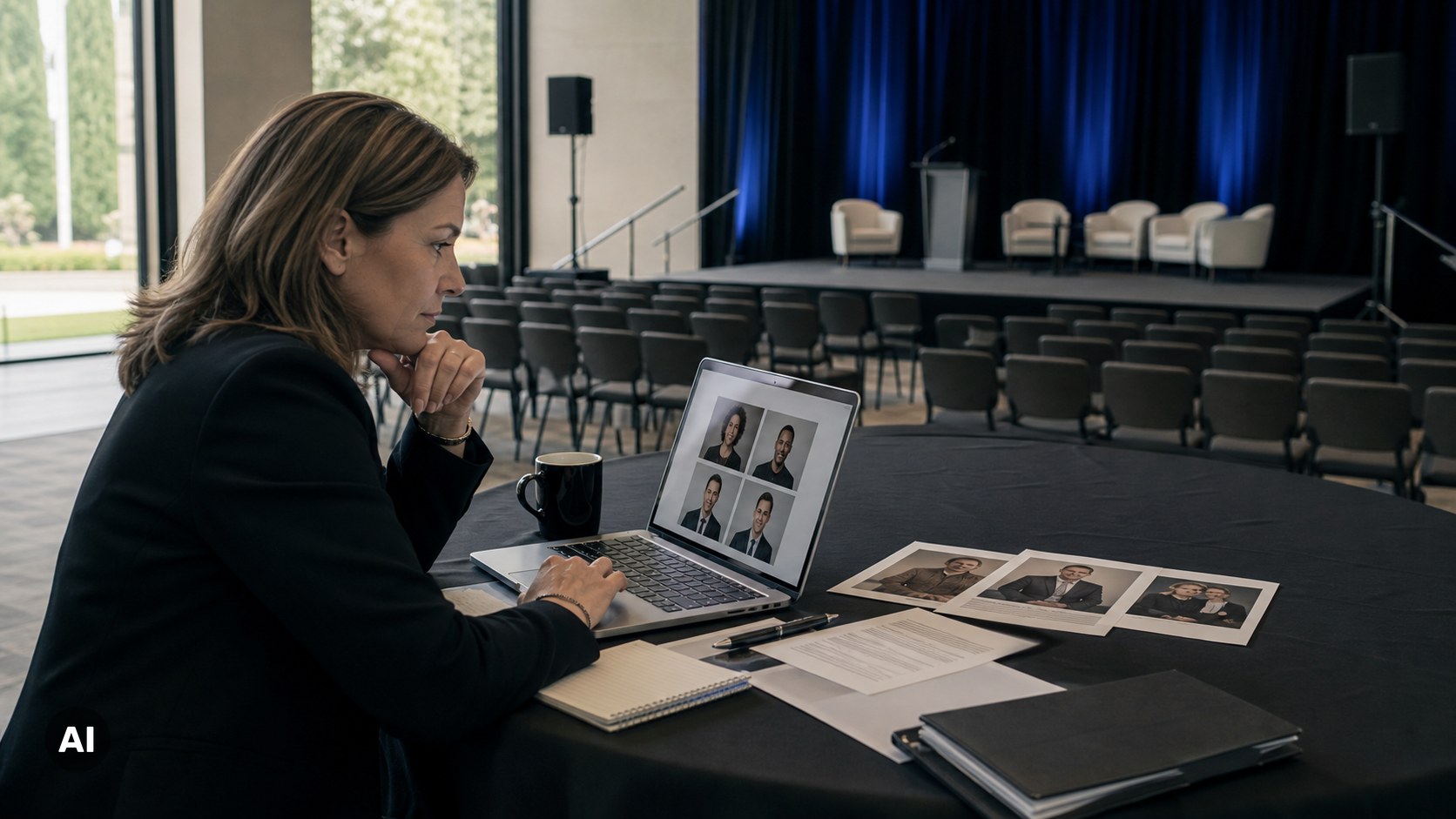
What should you consider when booking a keynote speaker?
A keynote may occupy one hour on the running order and still shape how people remember the entire day. It might give an audience a useful way into a difficult subject. It can lift the room after a dense program, start a conversation that continues over dinner or become the emotional high point of a client event. A fee-per-minute calculation misses all of that.
The booking is a decision about the effect you expect this particular person to have in this particular room. Nobody can promise the result in advance. Careful selection, a candid briefing and reliable production do, however, improve the odds.
This is also how the Events Industry Council frames professional event planning. Its standards ask planners to select speakers against the event objectives and to settle expectations, organizational context and technical requirements as part of the same design process.[1]
Give the keynote a job before looking for a name
Most inquiries start with a topic: artificial intelligence, leadership, change or motivation. That narrows the field, but it is not yet a brief. Two AI speakers, for example, may be right for entirely different rooms. One can challenge a board with strategic questions. The other may help a mixed workforce get past anxiety and talk about the subject without hiding behind jargon.
Before opening a search page, finish this sentence: “After the keynote, our audience should …” Write an ending you could actually notice. Perhaps people need to understand a development, feel less uneasy about a decision or finally discuss the question everyone has been avoiding. Perhaps they need to see where they fit into a company initiative.
Now the names are easier to judge. A celebrity might sell tickets. A deep specialist may win over an expert audience. Late in a long conference day, an entertaining performer could be exactly what the room needs. All three choices are defensible; they simply do different jobs.
A good shortlist needs evidence, not just impressive names
Check whether the requested subject is part of the speaker's real body of work. A dedicated topic page, a specific talk description and relevant examples tell you more than the claim that someone can “also cover” AI, leadership or transformation. If your subject appears as one bullet in a general change presentation, ask how much stage time it would genuinely receive.
Compare several candidates. Some people stop searching as soon as they find an option they like. Others read an entire menu before choosing dinner. A speaker search does not need to become a six-week procurement exercise, but it should produce enough of a market view to distinguish a strong fit from the first acceptable result.
Search tools and AI research can make the comparison quicker. They can collect topic pages, videos, talk descriptions and visible differences between candidates. But an AI recommendation is a summary of online signals. It has never sat through a full session, watched the room during a difficult passage or joined your briefing call. The people accountable for the event still have to make the call.
Watch the video for the moments between the applause
A useful demo gives you a feel for voice, pace, body language and humor before you speak to the candidate. Ignore the fast edits for a moment. Watch how the speaker moves from one idea to the next and whether the room stays with them without a punchline. Do they seem to notice the audience, or could the same performance be playing to any hall? Then ask the practical question: can you picture that style at your event?
A showreel has limits. It selects the best moments from several appearances and rarely includes the quiet transition, the awkward audience question or the minute when the presentation screen fails. Its main purpose is to answer a narrower question: is this candidate worth a serious briefing conversation?
A booking process built from testable decisions
Each stage answers a different question. If the evidence is weak, return to the shortlist before a contract turns uncertainty into a production problem.
Ask each question at the stage when it can still change the decision
A sensible sequence keeps unusual requests, internal objections and technical limits from arriving after the contract.
| Stage | Question | Positive sign | Warning sign |
|---|---|---|---|
| Purpose | What should the audience know, feel or discuss afterwards? | The assignment fits into one concrete sentence. | The only requirement is “a highlight.” |
| Shortlist | Is this subject part of the speaker's real specialization? | A clear topic page, talk description and relevant work samples exist. | The topic appears only as a word in a broad offer. |
| Video | Does the performance style suit the audience and occasion? | Longer excerpts reveal structure and contact with the room. | The reel contains mostly music, logos, edits and applause. |
| Briefing call | Does the speaker understand the audience, purpose and likely difficulties? | The speaker asks useful questions and sketches a plausible approach. | Every inquiry is instantly declared a perfect fit. |
| Proposal | Which services, rights, travel costs and extras are included? | Scope and responsibilities are easy to understand. | Important details are left until later. |
| Production | Are stage, audio, video, lighting, playback and rehearsal time adequate? | Speaker, planner and AV team coordinate early. | Expensive content is left to whatever equipment happens to be in the room. |
The direct conversation is a small working session
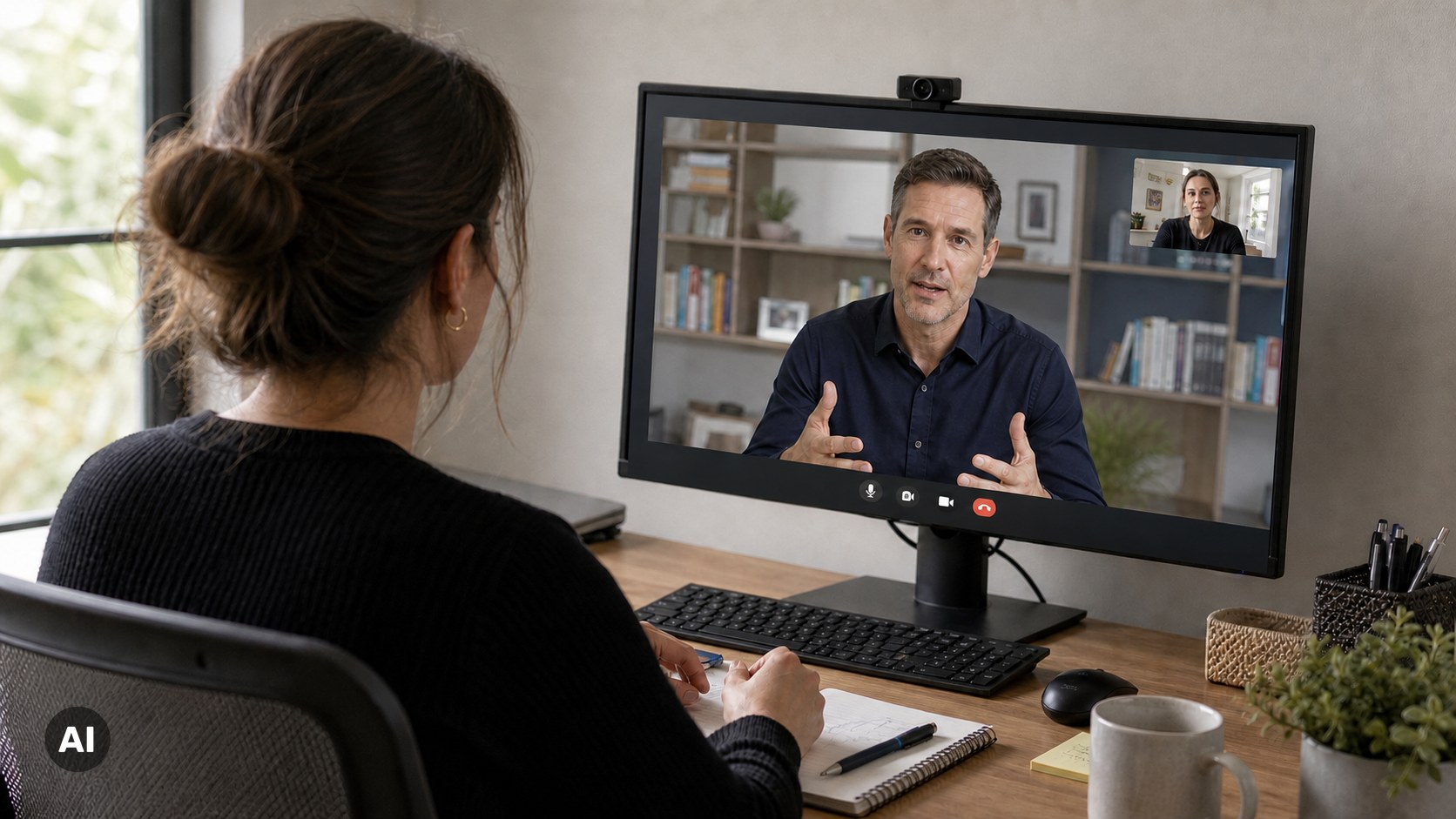
If the first contact is with a bureau or a speaker's office, ask for a short call with the person who would appear on stage. You are assessing a working relationship as well as a performance. The goal is not to hear the entire keynote in advance. Pay attention to what the speaker does with the information you provide.
Describe the audience in practical terms. Will front-desk staff, senior leaders and IT specialists share the room? Are experienced AI users sitting next to colleagues who distrust the subject? A capable speaker should notice the range of knowledge and attitude. They should be able to suggest a route through that problem without pretending the talk is already finished.
Useful questions include: How would you structure this keynote for our audience? Which themes would you emphasize? Where do you see a risk? What would you need to know before accepting the assignment? The answers reveal subject command and judgment. Chemistry matters too. An impressive topic list is little comfort if you do not want this person representing your organization on stage.
Bring unusual requests into this conversation. Normal adaptation to the industry, occasion and audience is different from a new format, a politically sensitive frame, extensive audience participation or several appearances around the keynote. A late request may be expensive, impractical or inconsistent with the speaker's approach.
Give the decision team the same evidence
A managing director may decide alone after the call. More often, the recommendation goes into a meeting. A survey published in 2024, based on responses from 340 event organizers and 378 experienced speakers, found that fewer than eight percent of the organizers made speaker decisions alone. Nearly seven in ten involved two to five people.[2]
That process becomes unreliable when only one person has watched the videos and spoken to the candidates. The meeting then mixes secondhand impressions, isolated facts and internal politics. A minor travel expense can suddenly receive more attention than the speaker's ability to deliver the central program objective.
Prepare a short recommendation. Everyone should see the same objective, a representative video excerpt, the material differences between the candidates and the real total cost. If the planner has a well-supported favorite, say so. Presenting three supposedly equal options may look neutral, but it often turns a considered selection into an improvised committee debate.
Set a budget that reflects the importance of the slot
Dividing the fee by the number of minutes produces a neat figure and a poor decision. It ignores preparation, experience, ongoing work on the subject and the value created in the room. It also ignores the surrounding investment. A company may hire a venue, bring together its most important clients, pay for travel and devote an entire day to the event. Choosing the cheapest option for the program's most visible hour can weaken everything around it.
Nor does the highest fee prove that you have found the right person. Compare proposals only after candidates have passed the subject, video and briefing tests. If every credible option sits above the original allowance, revisit the budget or change the assignment. A cheaper stand-in for the preferred speaker often turns out to be a different product altogether.
Ask what the quote includes. Travel and accommodation may sit outside the fee, and AV production normally belongs to the event budget. These lines still affect the real cost and the quality in the room. In PCMA's survey, speakers and planners repeatedly mentioned late changes, extras that had not been negotiated and thin audience information. Agree those details early, including who will pay for what, and give the speaker a useful picture of the people in the seats.[2]
Good AV keeps preventable failures away from the content
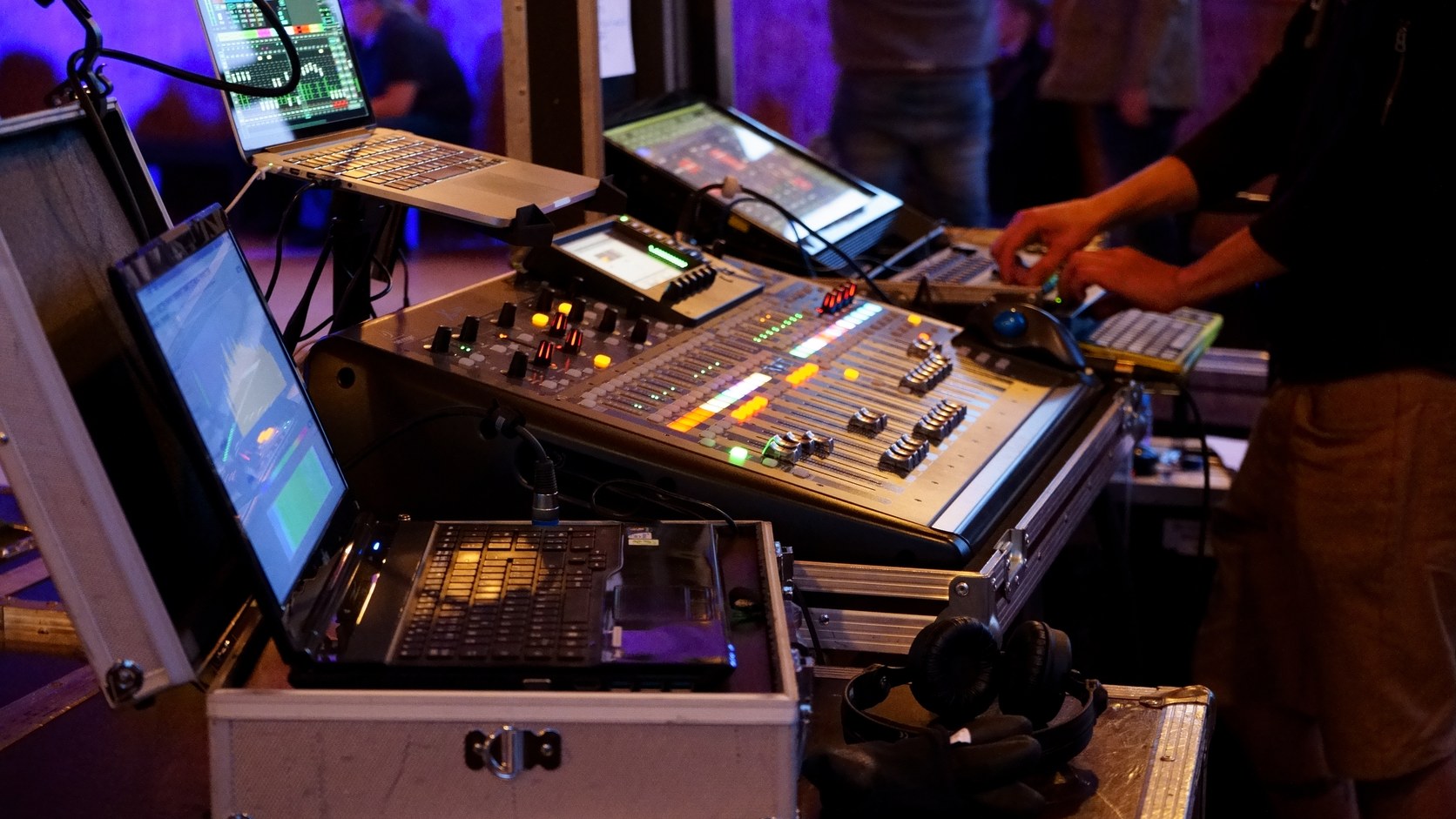
A strong speaker paired with a dim projector and poor sound is an expensive way to save money. I have arrived at events where the presentation laptop could not feed audio into the room system. A microphone was placed beside the laptop's small speakers so a video could be heard in the hall. Technically, the clip played. The audience experienced something quite different.
Confirm screen format, resolution, connections, audio playback, confidence monitor, microphone, lighting, clicker, internet access and realistic rehearsal time. Video and live demonstrations need a tested fallback. The Events Industry Council treats AV and technical production as a distinct professional planning responsibility. The standards connect production needs, staging and technical operation to content delivery and budget.[1]
The speaker must provide an accurate technical rider. The planner must pass it to the venue and AV team, then confirm that someone owns each requirement. Nobody benefits when three people arrive at the show computer with three different versions of the plan.
A proposal should make the scope and boundaries visible
A proposal is more than a fee. It should state the length of the talk, the preparation included and the services being purchased. Depending on the event, clarify:
- travel, accommodation and local transportation costs,
- payment schedule and cancellation or postponement terms,
- recording, livestreaming and later usage rights,
- additional interviews, executive sessions, meet-and-greets or book signings,
- press, internal communications and social media activity,
- technical requirements, contacts and rehearsal times,
- deadlines for the briefing, approvals and presentation files.
This checklist does not replace legal review. It does reduce the chance that the planner and speaker are imagining different assignments. Extras may sound small during an early call. Close to the event, they can alter travel, preparation and the running order.
Treat the speaker's production advice as professional advice
After more than 1,500 talks, I know how strongly timing, program position and technical conditions affect a room. If an experienced speaker advises against two hours and recommends 60 or 90 minutes, the motive is rarely an early finish. The speaker knows when attention begins to thin and when a good talk risks becoming heavy.
The same applies to placement after lunch, the format of a Q&A or an overloaded list of requested topics. Event planners do not have to accept every recommendation. They should examine it as advice from someone who works in these conditions every week. The speaker and the client share an interest: a session that people are pleased to remember and discuss.
The joint production starts after the signature
The contract ends the selection process, not the work. The briefing should now sharpen the objective, audience profile, tone, internal sensitivities and surrounding program. Names, industry terms and current examples need to be accurate. Information that was uncertain during the sales conversation must become specific.
A useful briefing also leaves room for disagreement. A requested joke may be wrong for the audience. The planned duration may be too long, or an interaction may not be technically workable. These objections are evidence that the speaker is taking responsibility for the shared outcome.
On the day, this preparation should disappear from view. The audience sees one person walk onto a stage and hears a talk that appears to belong naturally in that room. Behind that apparent ease sit a clear decision, candid conversations and an AV check completed before anyone starts searching for the missing video cable.

Jan Ditgen
About the author
- 1,000+talks
- CSPCertified Speaking Professional
- 4keynote languages
Jan Ditgen is a keynote speaker on artificial intelligence. He has delivered more than 1,000 talks and holds the Certified Speaking Professional (CSP) designation from the National Speakers Association, the highest international designation for professional speakers.
He did not begin his career in computer science, which helps him explain artificial intelligence to audiences without a technical background in a clear, practical and engaging way. He speaks at companies, associations and professional conferences in German, English, Spanish and French. His keynotes examine the practical use of AI at work, its opportunities and risks, and how people can preserve their own judgment when answers are always available.
Jan Ditgen has written several specialist books. His books and articles give him room to examine questions about AI that a 60-minute keynote can only touch on. He connects his experience with AI and the events industry with clear analysis for companies and event organizers. Jan Ditgen is available to book as an AI keynote speaker on artificial intelligence.
Sources
- Events Industry Council: CMP International Standards 2025
- Professional Convention Management Association: Survey Explores Speaker and Planner Dynamics
- Santeri Viinamäki: Concert mixing desk 20190623. License: CC BY-SA 4.0. Edit: cropped to 1672 × 941 pixels and published as JPEG, WebP and AVIF.
Contact
Phone: +49 221 80 14 96 0
AI keynote speaker Jan Ditgen
EWK Vortrags GmbH & Co. KG
Gartenstr. 6
50996 Cologne, Germany
Last updated: 15 August 2026
Contact

Gartenstr. 6
50996 Cologne
Germany
Phone: +49 221 - 80 14 96 11
Fax: 0221 - 80 14 96 29
E-Mail: ki@ewk-institut.eu