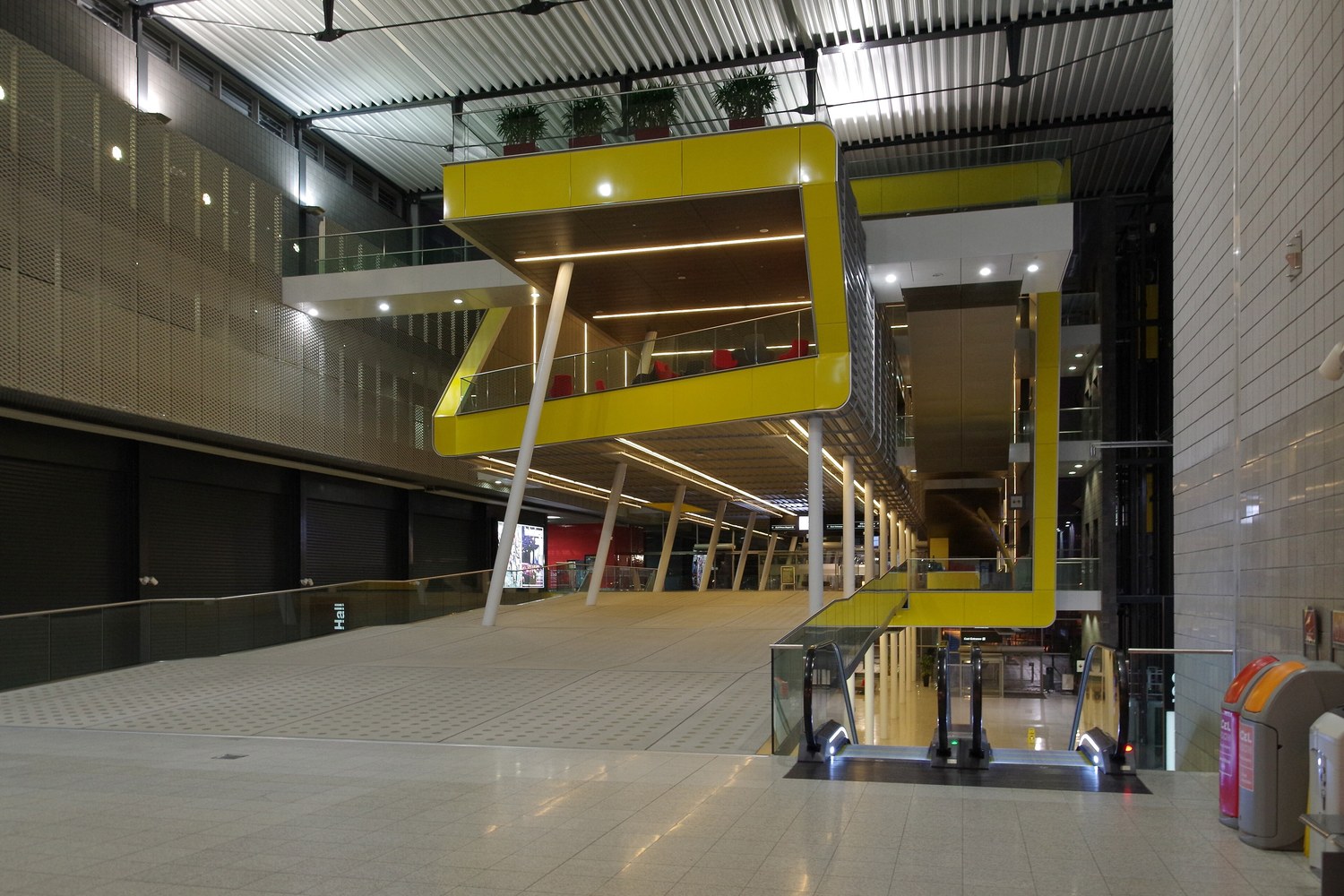
Spacious interior concourse at ExCeL London
London venue guide

23 distinctive London event venues for keynote speakers

Convention centres, museums, concert halls, and historic rooms for events where the stage, journey, and message work together.

ExCeL London[1]

London venues for keynote speakers: a postcode is not an event plan

London makes it dangerously easy to fall for a room. Museums and famous auditoriums look wonderful on an invitation; the awkward questions arrive after the deposit. Six hundred people must find the right entrance, sit down on time, and hear an ordinary human voice. When all of that feels effortless, the production team has done difficult work well.

The capacity range here runs from 110 to several thousand. A published number is useful until the first camera platform appears on the drawing. Safe aisles widen, the stage grows, and accessible positions need proper sightlines; suddenly there are fewer chairs. Request a plan of the intended set-up while the shortlist is still genuinely open.

Venue maps flatten London. A Westminster postcode may involve two changes from the chosen hotel, while a Docklands venue may have a direct train. Make that weekday journey at the time delegates will travel, and use the exit named in the joining instructions. Keep walking until you reach the actual door. The return plan needs a last train, a pick-up point or a booked coach; ‘people can get taxis’ is not enough.

Demo failure is easier to manage when it has already happened once in rehearsal. Unplug the main connection and time the switch to the backup. While doing so, check whether the laptop continues to feed the room sound. Put the smallest interface on screen, then inspect it from the poorest seat. A Wi-Fi symbol and a supplier’s reassurance do not answer those questions.

Start the shortlist with a few blunt facts: how many people will sit down, how wide the stage must be, how far the last chair is from the screen, how many rooms run at once, and when the crew gets the keys. After that, London’s character becomes an asset instead of a distraction.

Spacious interior concourse at ExCeL London
ExCeL London[1]
Venue 01

ExCeL London

Best for: International conventions, trade shows, and large corporate events

The first surprise at ExCeL is the walk. A convention can fill one hall and leave another set of doors opening onto yet more space. The ICC auditorium seats several thousand delegates, with exhibition stands and breakouts elsewhere on the campus. Scale helps, but it can also thin out a keynote. Eight hundred chairs in an oversized hall can make the speaker look like a television feed at the far end of a warehouse. Put tape where the final row will stand before settling camera and loudspeaker positions. Trains on the Elizabeth line have transformed the journey to the Royal Docks. After an evening programme, however, nobody wants to discover that the chosen hotel is two changes away.

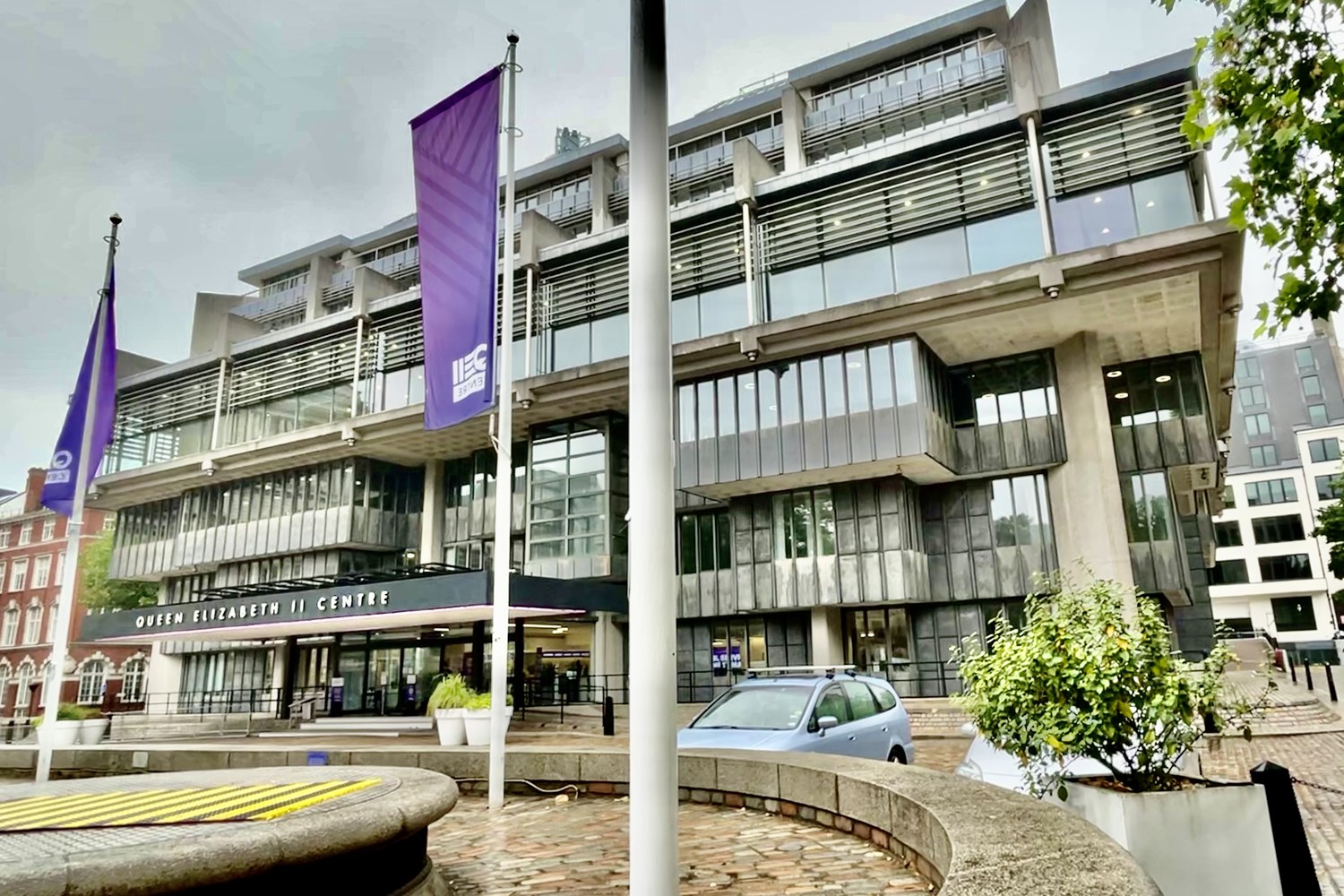
Exterior of the QEII Centre opposite Westminster Abbey
QEII Centre[2]
Venue 02

QEII Centre

Best for: Policy conferences, associations, and complex international programmes

Westminster Abbey fills the view outside. The QEII Centre itself is less romantic and more useful: 32 rooms, seven floors, and room for about 1,300 in the largest hall. An association can keep its opening keynote, committees, and press team in one building. At 10:30, though, several of those committees may press the lift button together. Walk the route between sessions and allow for the queue you can’t see on a floor plan. The raked Churchill room works well for the main stage. Deliveries are harder to predict; Parliament may produce a cordon or protest on a timetable of its own.

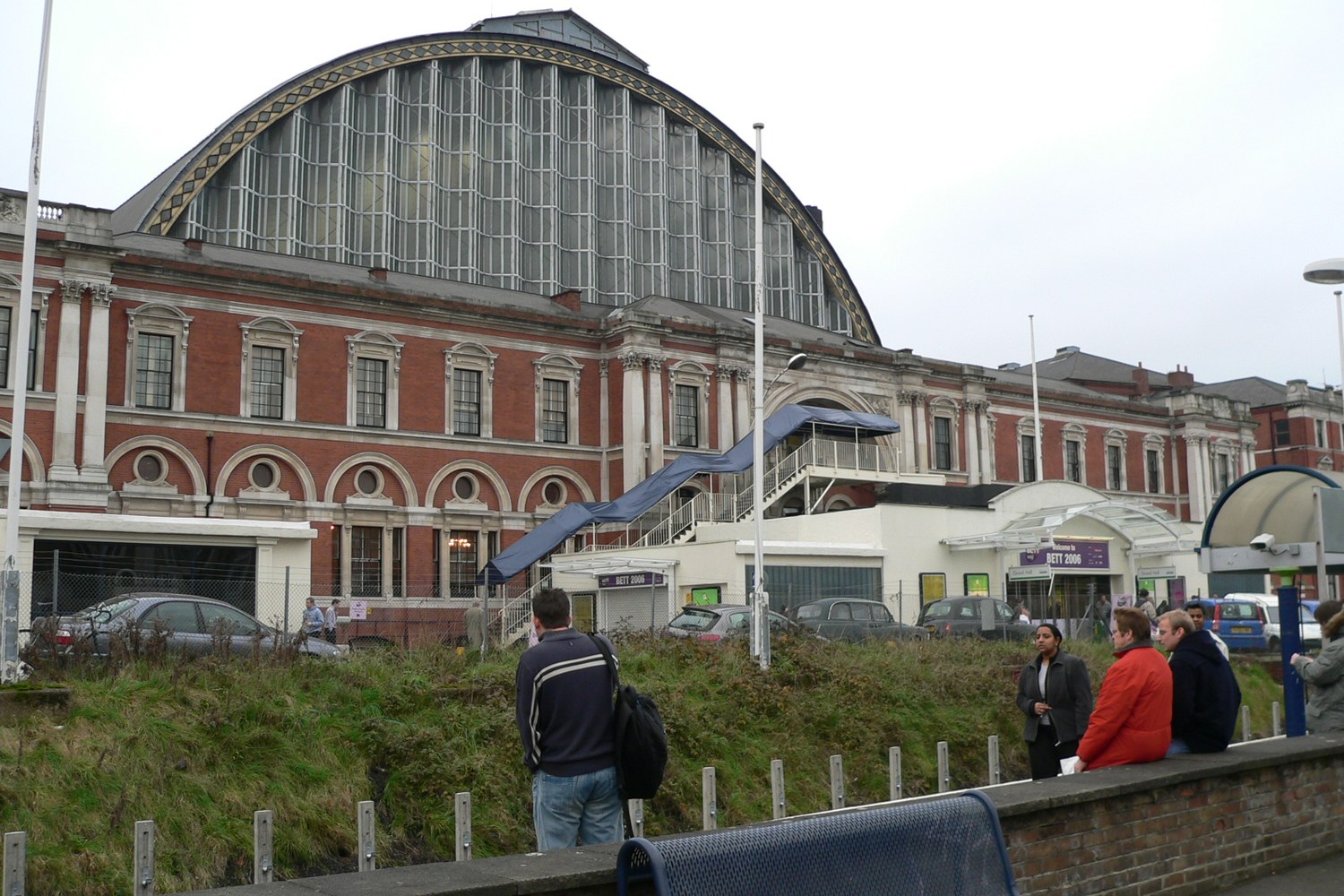
Historic Olympia London exhibition hall seen from Kensington Olympia station
Olympia London[3]
Venue 03

Olympia London

Best for: Trade shows, major conventions, and brand events with exhibition content

The iron-and-glass Olympia known to generations of exhibitors now has a conference centre beside it. That is good news for a trade show whose opening deserves more than a microphone on the show floor. If the keynote remains in a big hall, bring the final chair forward until the crowd can hear its own applause. The newer rooms make workshops easier. An Olympia quotation should name the building, because lunch in one hall and a breakout in another can mean a longer walk than expected. The station adjoins the site, although the timetable can turn five lost minutes at the cloakroom into a much longer wait.

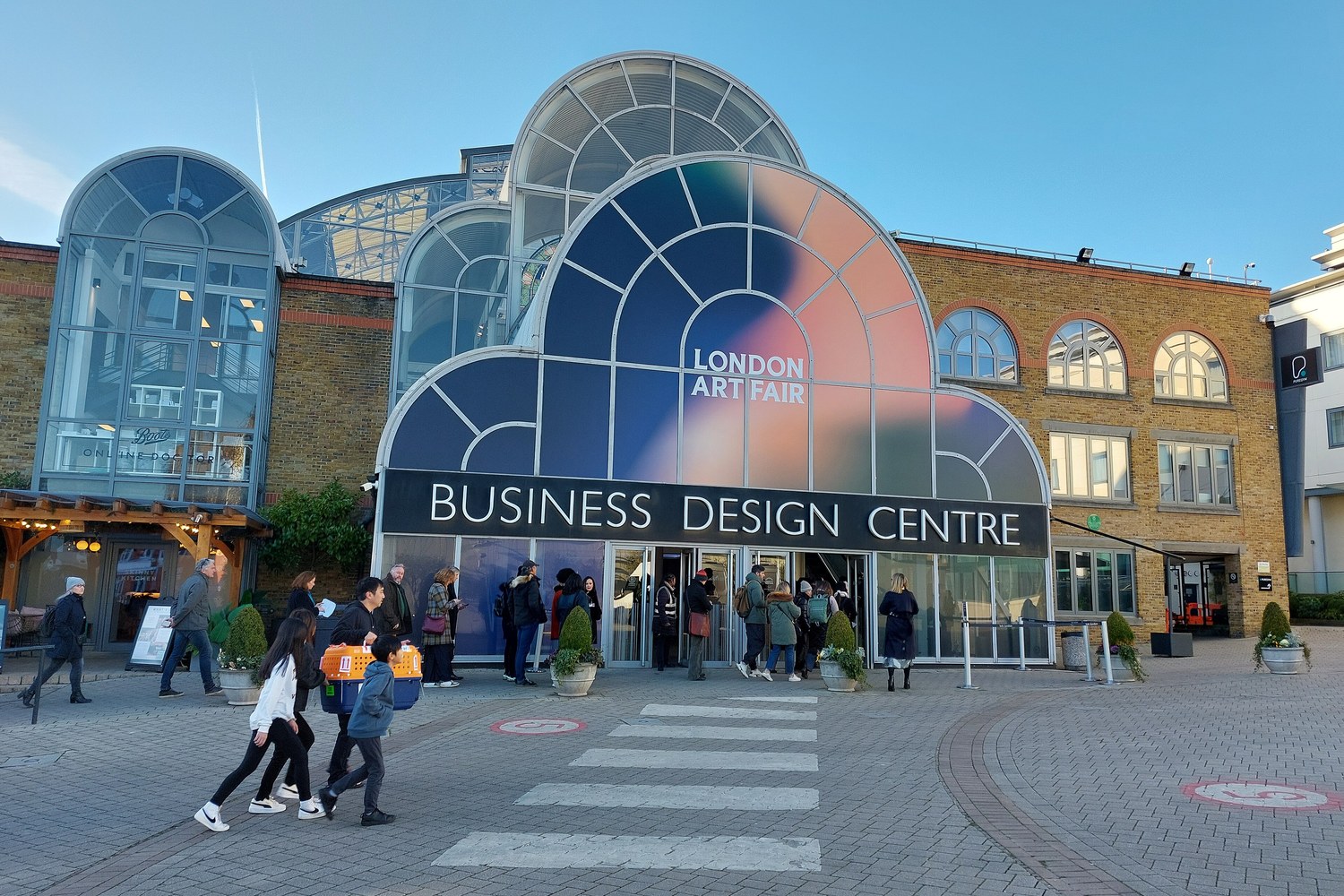
Entrance to the Business Design Centre in Islington
Business Design Centre[4]
Venue 04

Business Design Centre

Best for: Mid-sized conventions, exhibitions, and design-led corporate events

The useful thing about the Business Design Centre is proximity. A delegate can leave a stand and be seated for the keynote a few minutes later; no shuttle or endless concourse gets in the way. Rooms cover audiences from roughly 150 to 650. Do not judge them only when empty. At 3 p.m., sunlight may reach the screen, and voices from an open bar can climb into the gallery. Ask to see a live set-up, even if it belongs to somebody else’s event. On arrival, watch the first few delegates. If nothing tells them where to look, the keynote stage needs more visual authority.

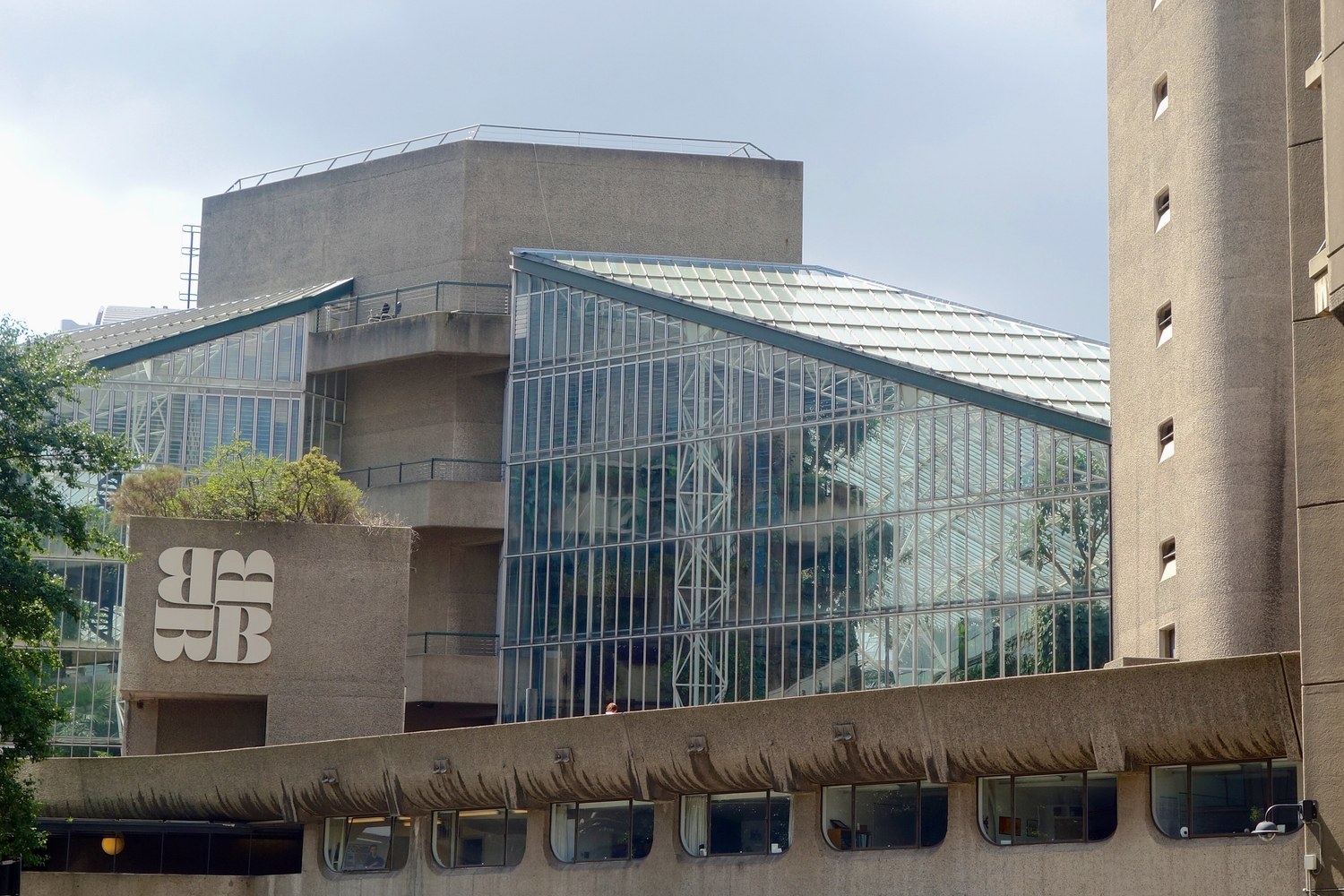
Brutalist façade of the Barbican Centre
Barbican Centre[5]
Venue 05

Barbican Centre

Best for: Culture, architecture, leadership, and substantial conference programmes

Barbican Hall is already an auditorium. Up to about 1,900 guests arrive to fixed seats, a real stage, and backstage corridors used by performers every week. That saves a conference from building its own theatre, but it gives the public arts programme first claim on time. If the soundcheck ends at noon, the company rehearsal cannot casually run until 12:30. One last trap is finding the place. Send first-time visitors a route with photographs, because the surrounding walkways confuse even people who know London. The building will appear in every event picture. Make sure its strong visual voice belongs in the conversation.

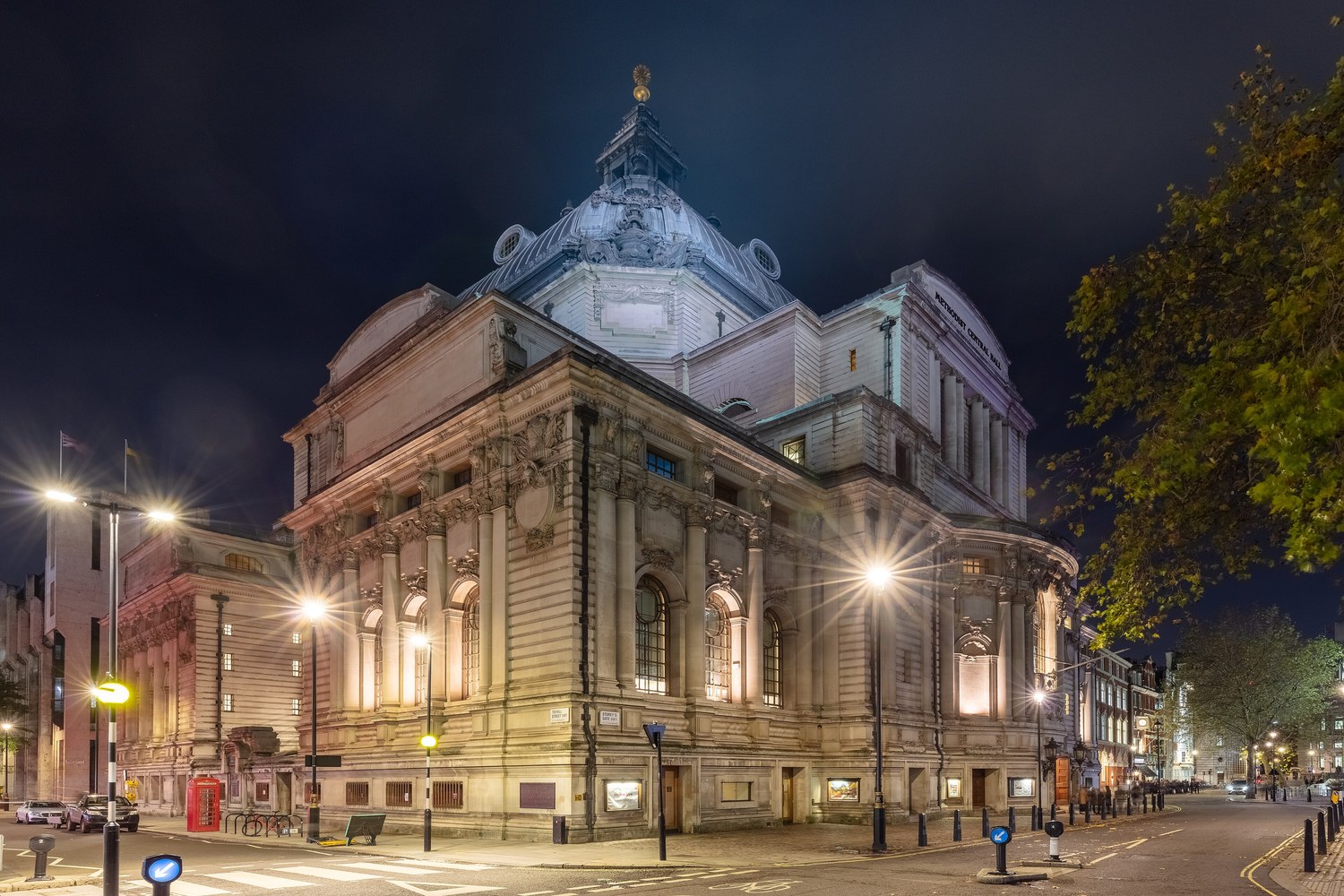
Central Hall Westminster illuminated in the evening
Central Hall Westminster[6]
Venue 06

Central Hall Westminster

Best for: Large association events, ceremonies, and international conferences

Central Hall’s round Great Hall changes the mood before the host says a word. In theatre seating, about 875 people can use it; receptions may be larger. The centre block gets the easy view. Take a chair at the side before approving the screen, because the same design can look badly skewed there. Registration and coffee have generous foyers of their own. Outside, Westminster occasionally imposes a security check or road closure without asking the event planner. Inside, the building has supplied enough decoration already. Let the keynote occupy the room without trying to out-grand it.

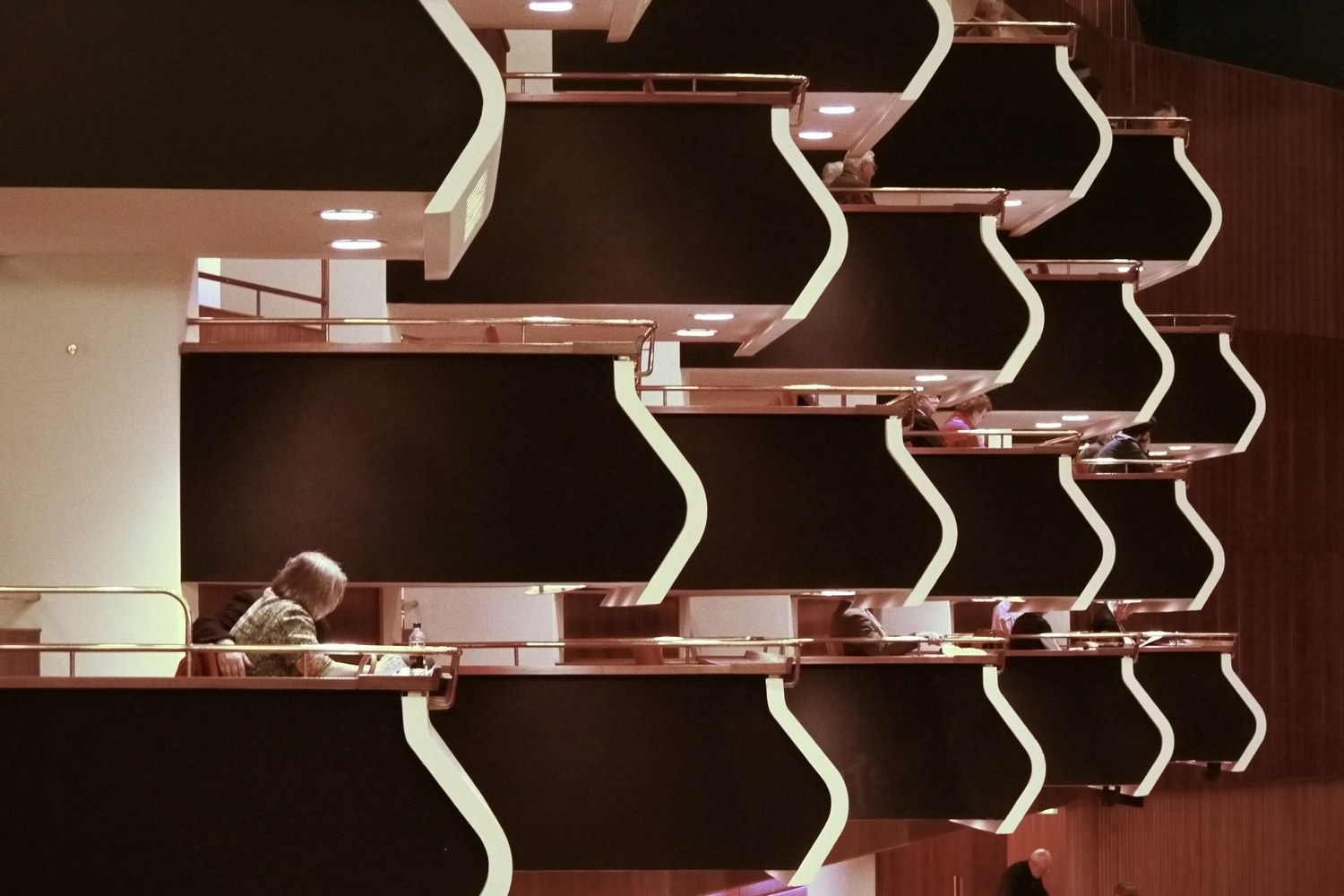
Interior detail at the Royal Festival Hall on the South Bank
Royal Festival Hall[7]
Venue 07

Royal Festival Hall

Best for: Major ceremonies, customer events, and culturally ambitious keynotes

At Royal Festival Hall, a large audience gets a room made for listening rather than a temporary bank of chairs. That is the appeal. The limit is the concert calendar, which governs rehearsal access and how much can be changed onstage. People at the back will still watch much of the keynote on a screen; budget for cameras that make that view worth having. Outside, the South Bank gives overseas guests an unmistakable London evening. Inside, treat doors, cloakrooms, and the interval as seriously as the view from the terrace, especially when more than 2,500 people move at once.

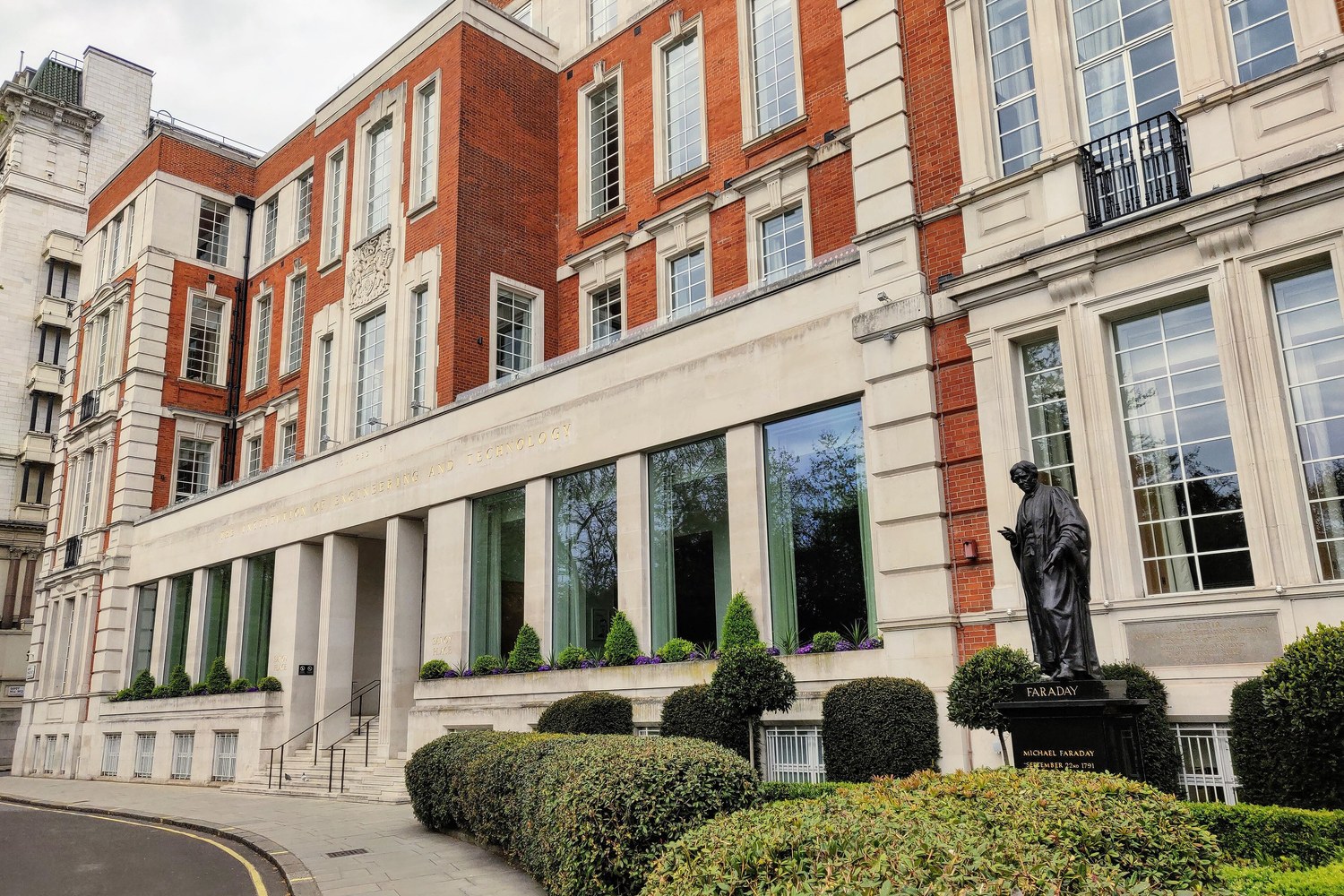
IET London Savoy Place building beside the Thames
IET London: Savoy Place[8]
Venue 08

IET London: Savoy Place

Best for: Technology, engineering, science, and hybrid specialist conferences

Savoy Place belongs to an engineering institution, a useful piece of context for any technical programme. The Kelvin theatre holds about 450 people. A second track can take 175 in the Turing room. Although streaming equipment is installed, plug in the speaker’s own computer and run the networked demonstration before signing off. Then test the least technical part of the schedule: coffee on the Thames terrace. People will not hurry away from that view. A clear recall and doors that can accept the returning crowd will keep the next speaker from starting ten minutes late.

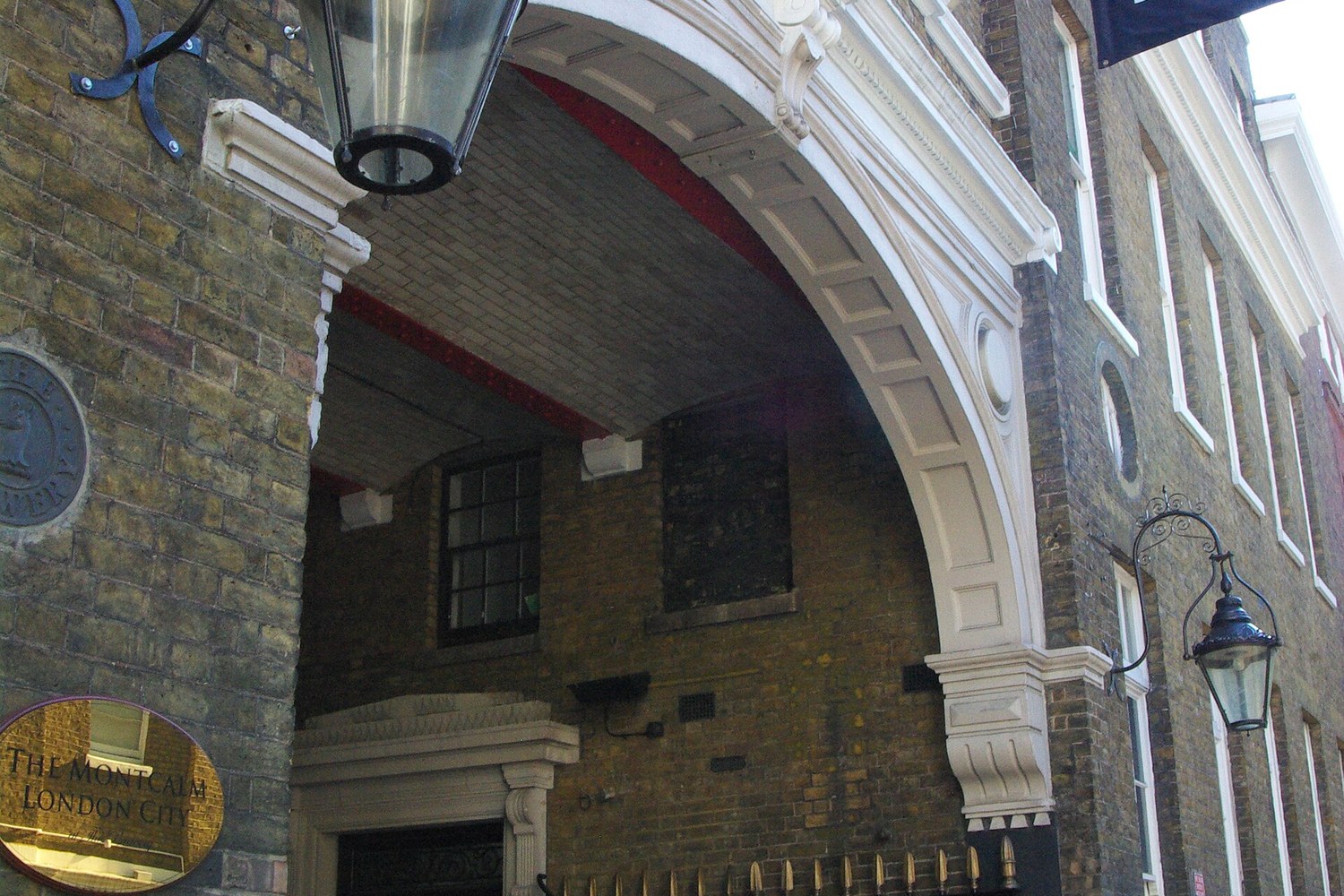
Historic entrance to The Brewery in the City of London
The Brewery[9]
Venue 09

The Brewery

Best for: Corporate conferences, awards, and evening events

The old Whitbread buildings bring brick and timber without leaving the event team to improvise everything else. In a theatre layout, the Porter Tun seats roughly 900. That is enough room for a serious stage, yet the audience does not disappear into an exhibition shed. Loading access, a green room, and an in-house production team remove some of the usual friction. Watch the changeover if a conference becomes dinner in the same room. It always takes longer than a sales plan suggests. Also listen from the auditorium while the reception bar is open next door.

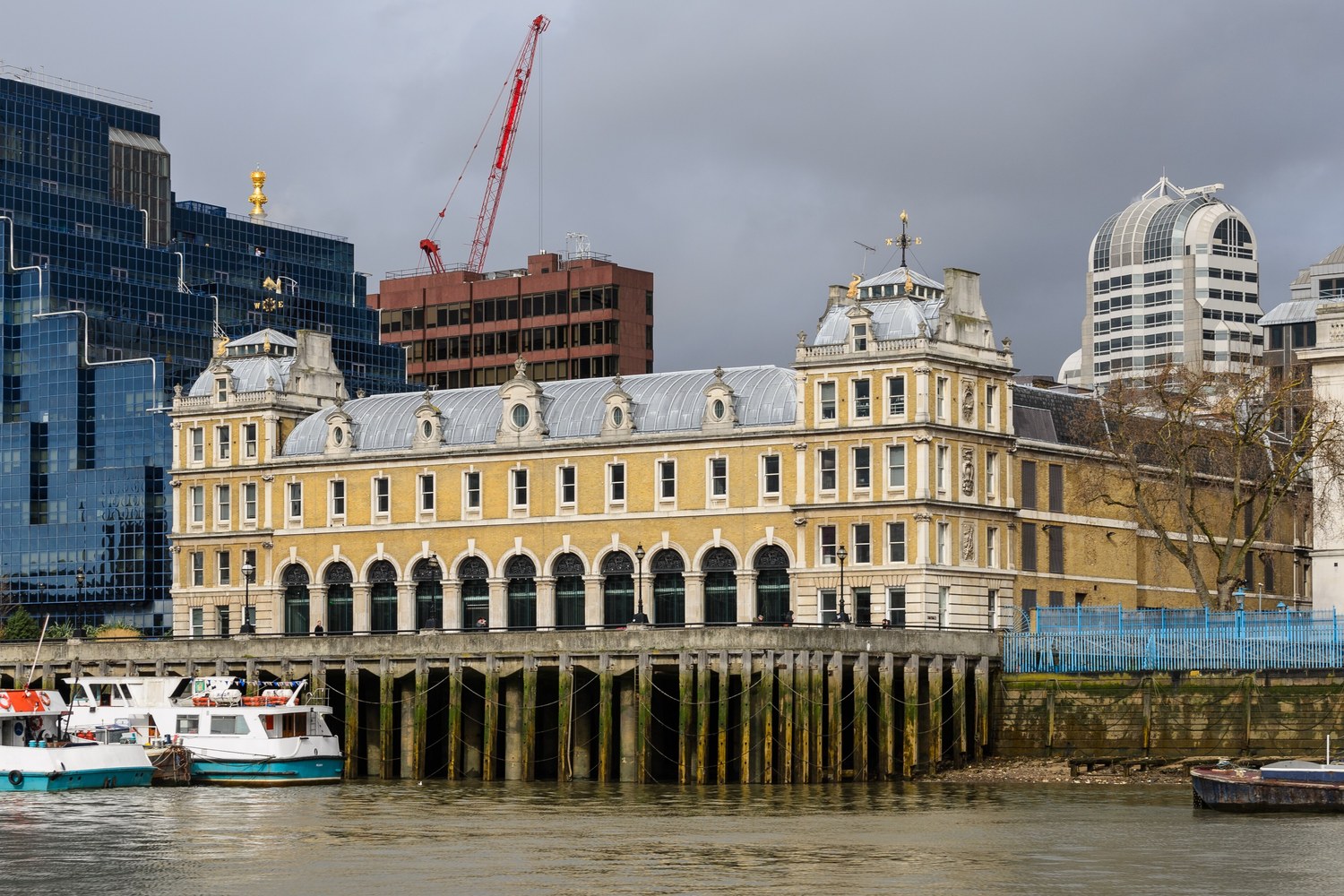
Old Billingsgate on the north bank of the Thames
Old Billingsgate[10]
Venue 10

Old Billingsgate

Best for: Large brand events, galas, and conferences with a London setting

The river, market-hall facade, and view towards The Shard give Old Billingsgate more scenery than most event teams need. Inside, roughly 1,200 conference guests fit the Grand Hall. It starts as an empty production volume, however, not as a lecture theatre. Long rooms punish vague audio plans. For an audience of 600, drapes and a tighter bank of chairs may do more for the keynote than another lighting effect. The terrace and vaults can give the evening several distinct moods. Listen for spill between them before placing a bar beside a serious discussion.

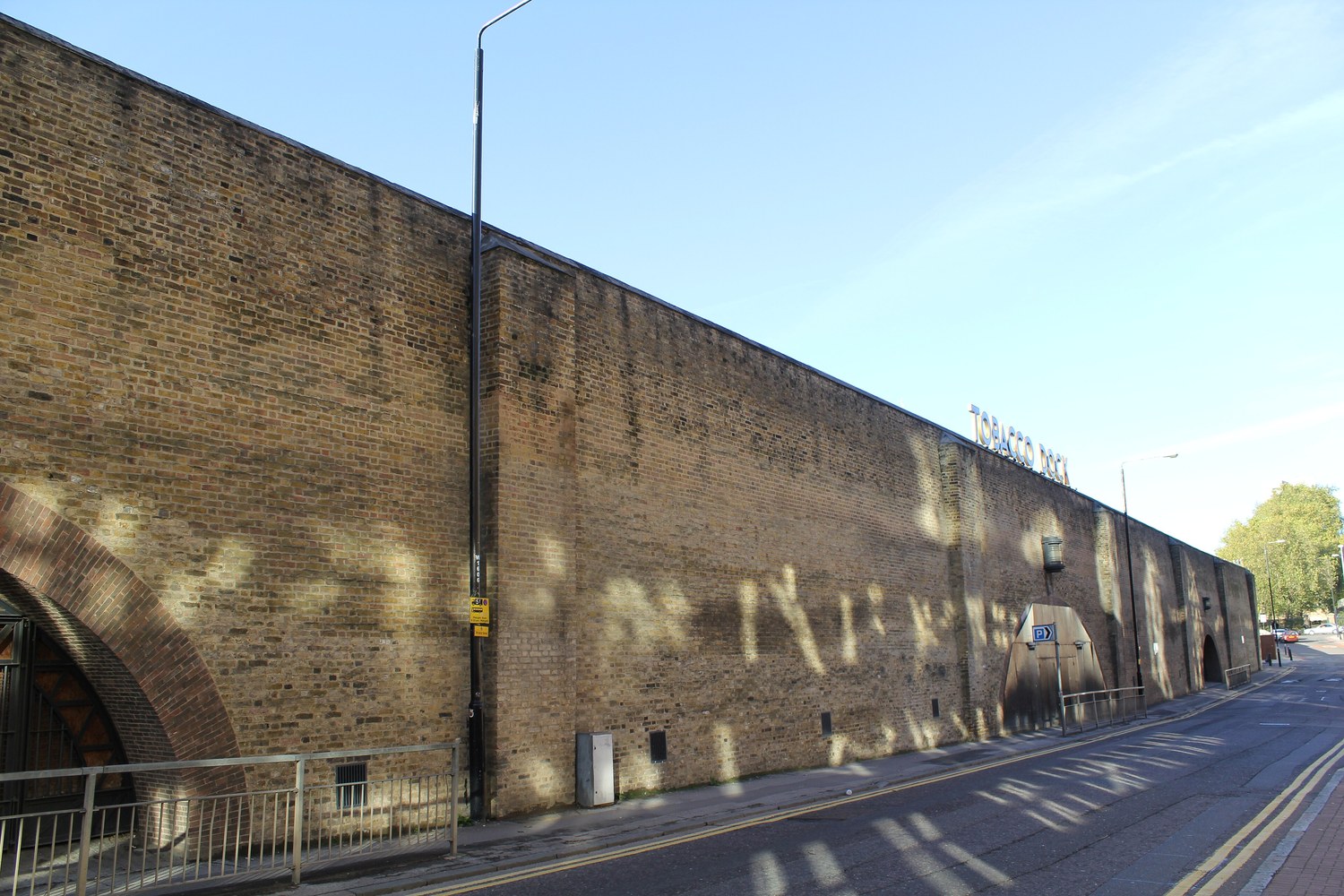
Long historic brick elevation of Tobacco Dock
Tobacco Dock[11]
Venue 11

Tobacco Dock

Best for: Large conferences, festivals, and programmes requiring many breakout rooms

Tobacco Dock suits the conference that has outgrown a corridor of hotel meeting rooms. There are more than 40 usable spaces, and the Great Gallery can hold a four-figure seated crowd. The danger is obvious once you walk the building: people scatter. Give every room an unmistakable name and allow enough time to call delegates back for the keynote. Dry hire can also make a low-looking venue fee deceptive; chairs, technical production, signage, and front-of-house staff all have to appear somewhere else in the budget. Send international visitors a map pin and a route to Wapping, not just the postcode.

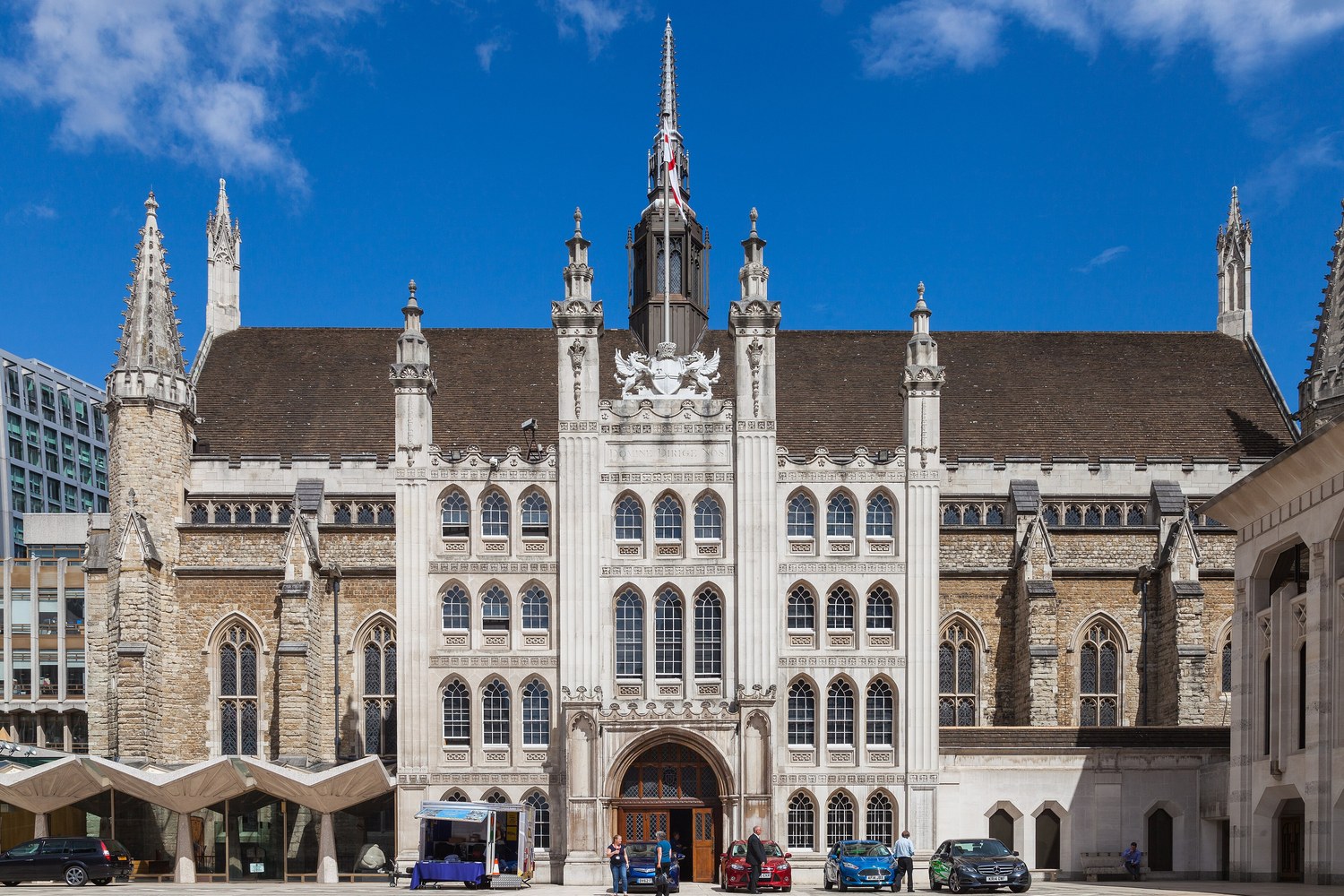
Historic front of Guildhall in the City of London
Guildhall[12]
Venue 12

Guildhall

Best for: Ceremonies, business, institutions, and formal corporate events

At Guildhall, history sits in the room with the audience. A theatre arrangement gives about 760 people a place in the Great Hall. Projection is the awkward guest: the image must work at the back, but a wall of screen can hide what everyone came to see. Have the venue draw front and rear options before the technical supplier commits. Loading hours and security screening are often less flexible than the stage. A late truck cannot charm its way through a City cordon. For business or civic affairs, the formal atmosphere needs no invented story.

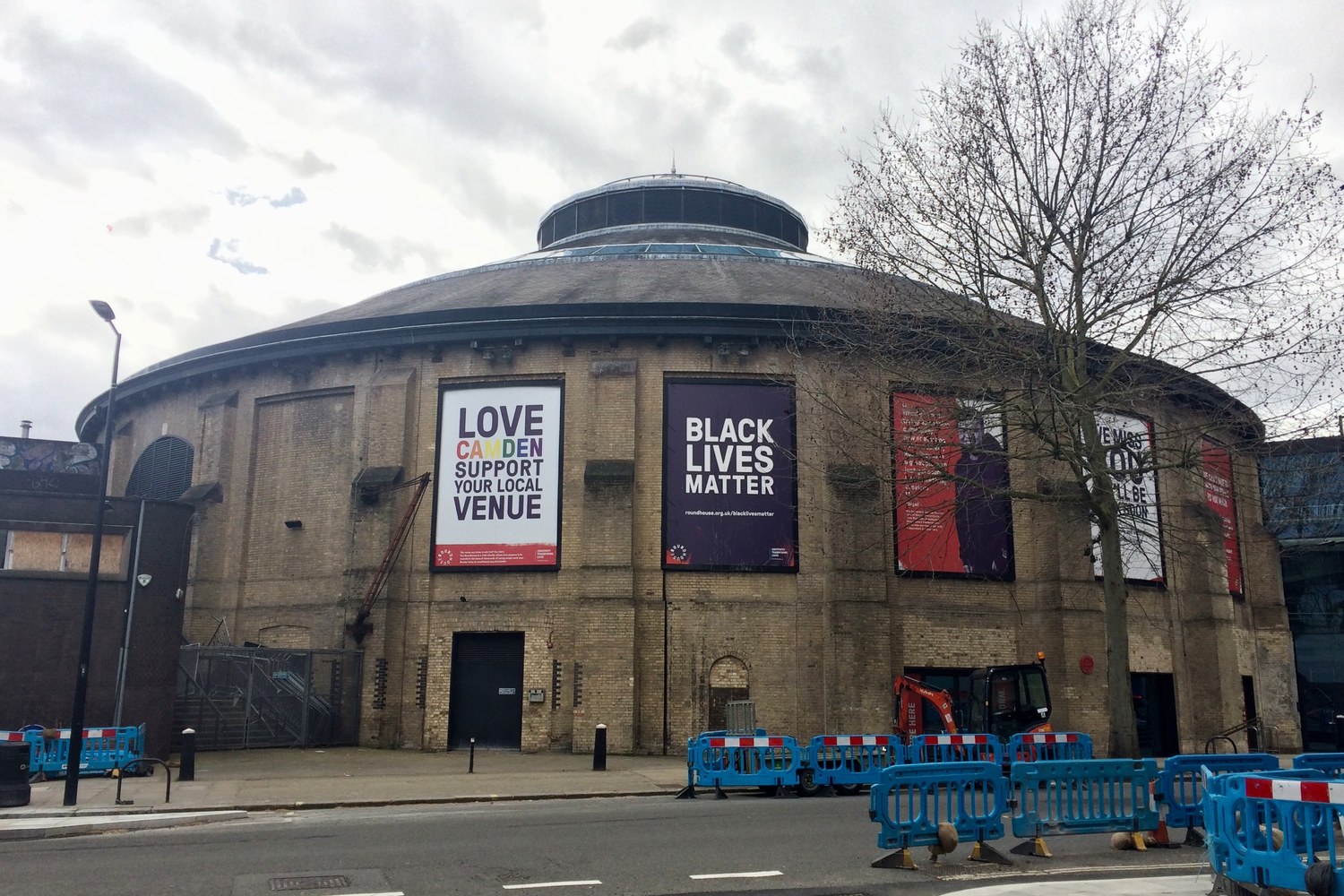
Circular Roundhouse building in Camden
Roundhouse[13]
Venue 13

Roundhouse

Best for: Culture, transformation, employee events, and staged large-scale programmes

A keynote for 1,500 people looks less corporate the moment it enters the Roundhouse. The circular room invites a bold lighting and camera plan, but its music history does not guarantee perfect speech. Ask the engineer to mix spoken words, then listen from the last row with the room occupied if possible. Foyers and side spaces give workshops somewhere to go. There is a second story worth knowing: commercial events help pay for the Roundhouse’s work with young people. For a programme about education, opportunity, or creativity, that connection is more than a line in the brochure.

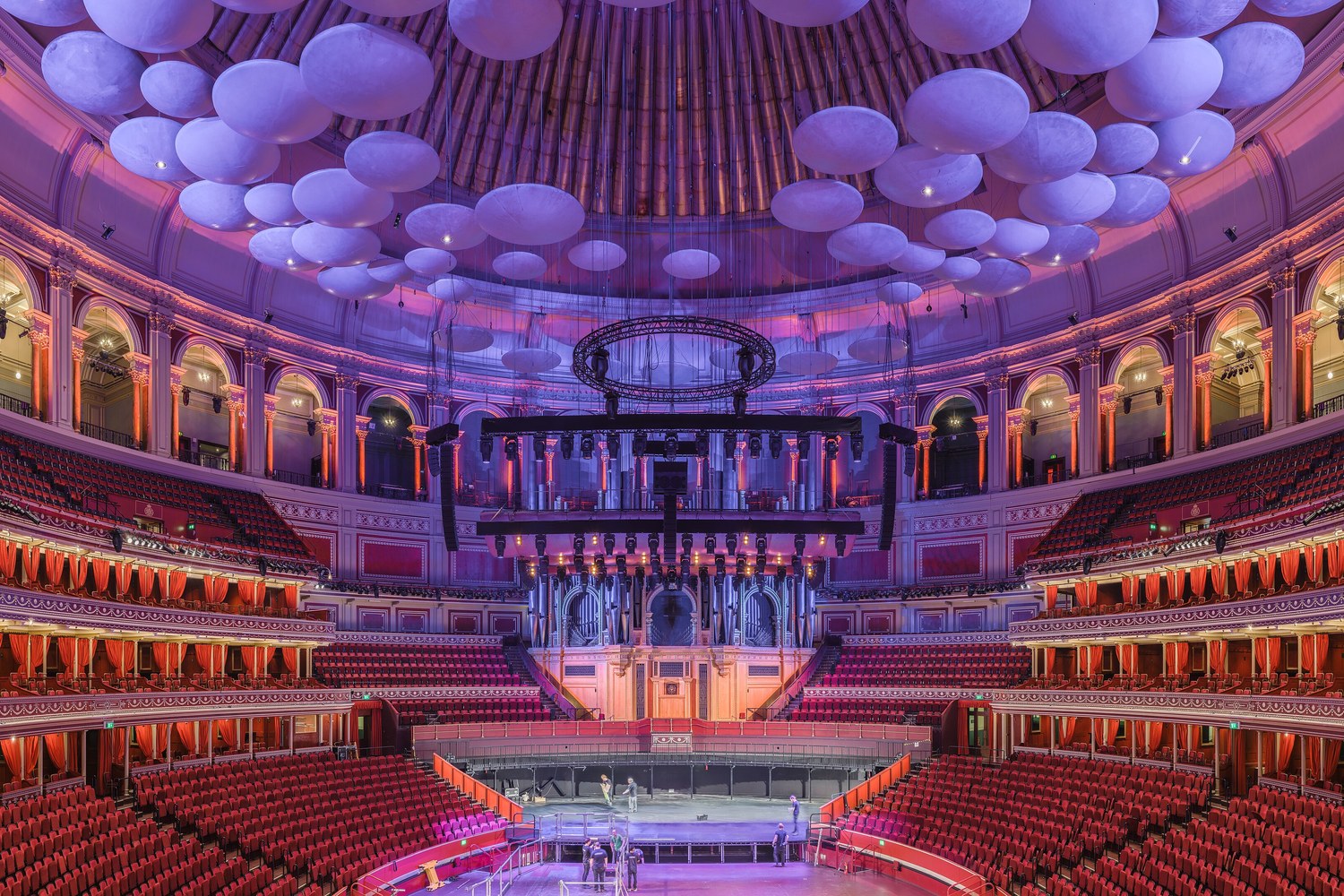
View across the auditorium of the Royal Albert Hall
Royal Albert Hall[14]
Venue 14

Royal Albert Hall

Best for: Rare ceremonial events and exceptionally large, high-production keynotes

Royal Albert Hall turns a conference into a major production. A guest in the upper tier will experience the speaker mainly through a camera and screen, with the voice arriving from a carefully timed sound system. Those are not optional flourishes. Rehearsal has to fit between public performances, and security resembles a concert operation. Be conservative with the attendance forecast. Several unused tiers change the emotion of the room, no matter how famous the building is. Book it for an occasion that can fill enough seats and fund a first-rate experience for the people furthest from the stage.

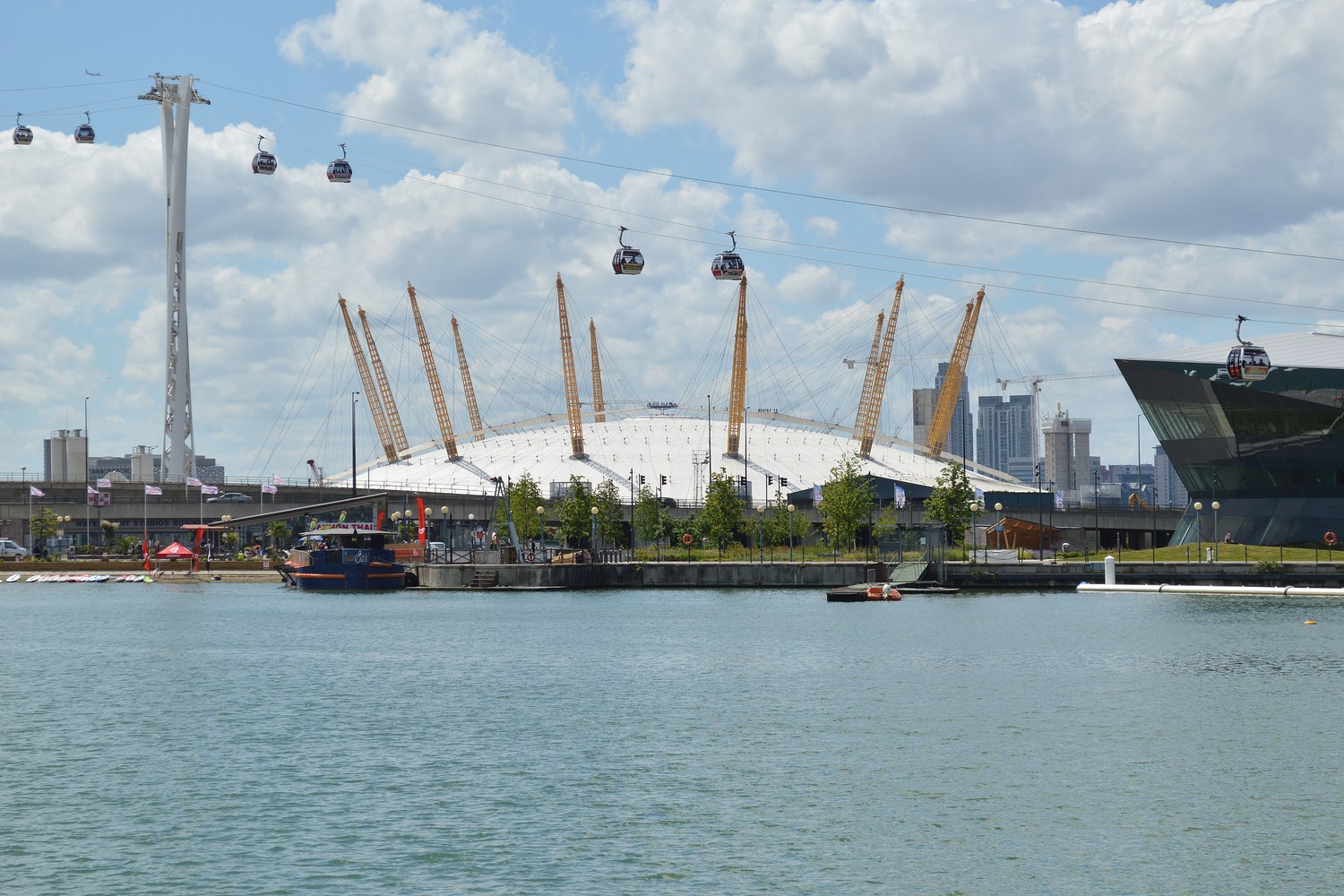
The O2 on Greenwich Peninsula, home to indigo at The O2
indigo at The O2[15]
Venue 15

indigo at The O2

Best for: Large conferences, awards, and evening programmes using show production

indigo lets a conference of roughly 1,600 feel full without borrowing the arena next door. Its lighting and video kit can produce a show, though nobody has to use every cue. Sometimes the right transition after a strong sentence is silence. Delegates emerge from North Greenwich station inside The O2 complex. Before choosing the date, check what is happening in the arena; a sold-out concert changes hotel rates and packs the station later. Dinner is easier. The group can walk to one of the nearby restaurants while the coaches stay out of the schedule.

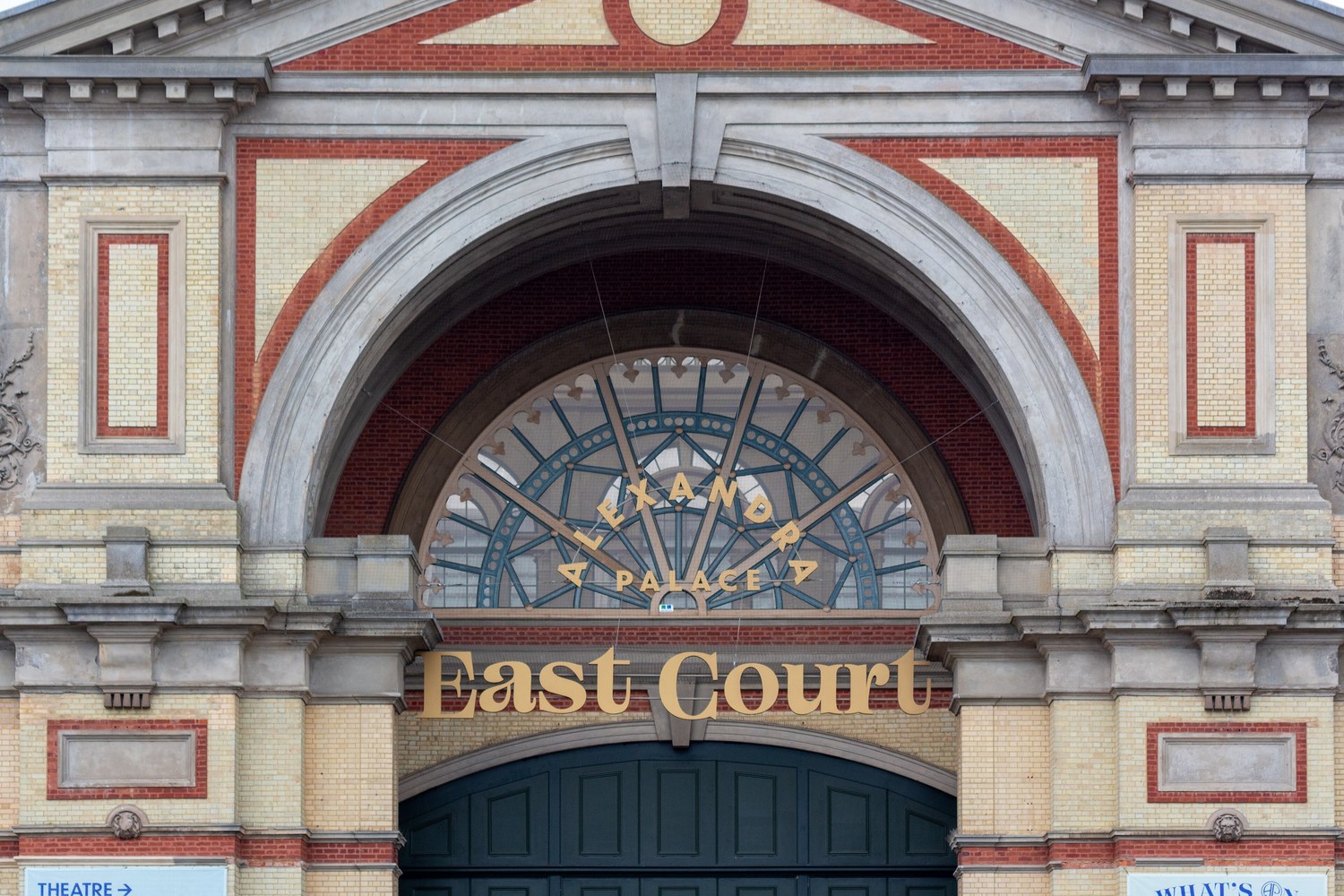
East Court entrance at Alexandra Palace
Alexandra Palace[16]
Venue 16

Alexandra Palace

Best for: Very large conventions, exhibitions, and festival-style corporate events

Alexandra Palace can mean a hall for several thousand people or an 850-seat theatre. Keeping an exhibition, plenary, and evening show under one enormous roof has obvious appeal. It also gives delegates a long walk if the rooms are sequenced poorly. Draw that route, including the return uphill to the main session. The Great and West Halls need a serious acoustic plan plus an image big enough for their depth. Put hotels and shuttles into the first budget rather than pretending the centre is nearby. Once those unromantic details work, the skyline view earns its place in the programme.

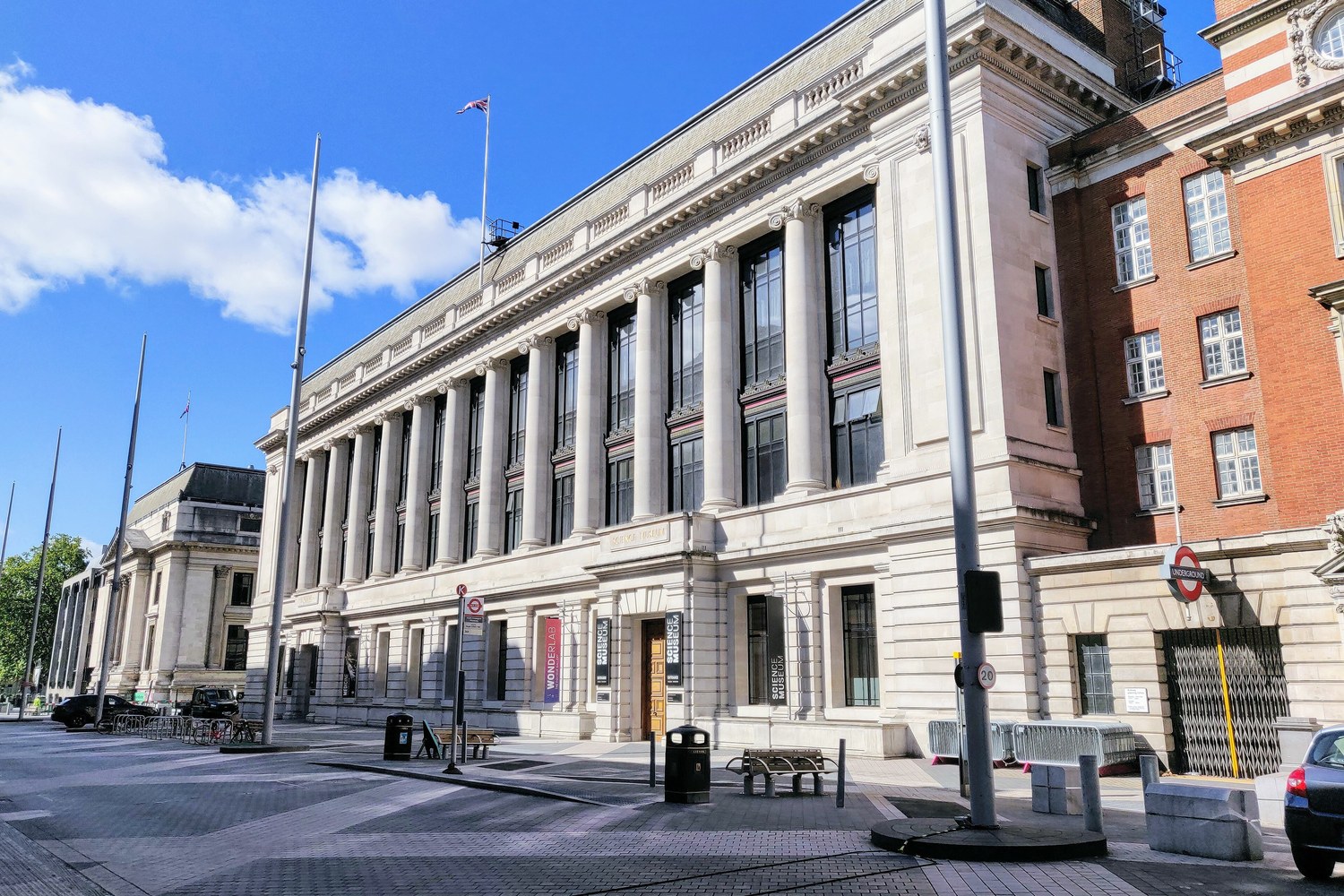
Science Museum façade on Exhibition Road
Science Museum[17]
Venue 17

Science Museum

Best for: Science, technology, AI, and product launches

Technology needs no costume at the Science Museum. The IMAX Ronson Theatre puts about 400 people in front of an image large enough to show software clearly. Gallery drinks can follow the talk without a change of address. The public, meanwhile, determines when the crew may begin, and a late handover can make the set-up uncomfortably short. Ask what network connection can reach the demonstration computer onstage, not what Wi-Fi exists in the building. Choose one exhibit that extends the subject. Competing with the whole collection is a contest the keynote will lose.

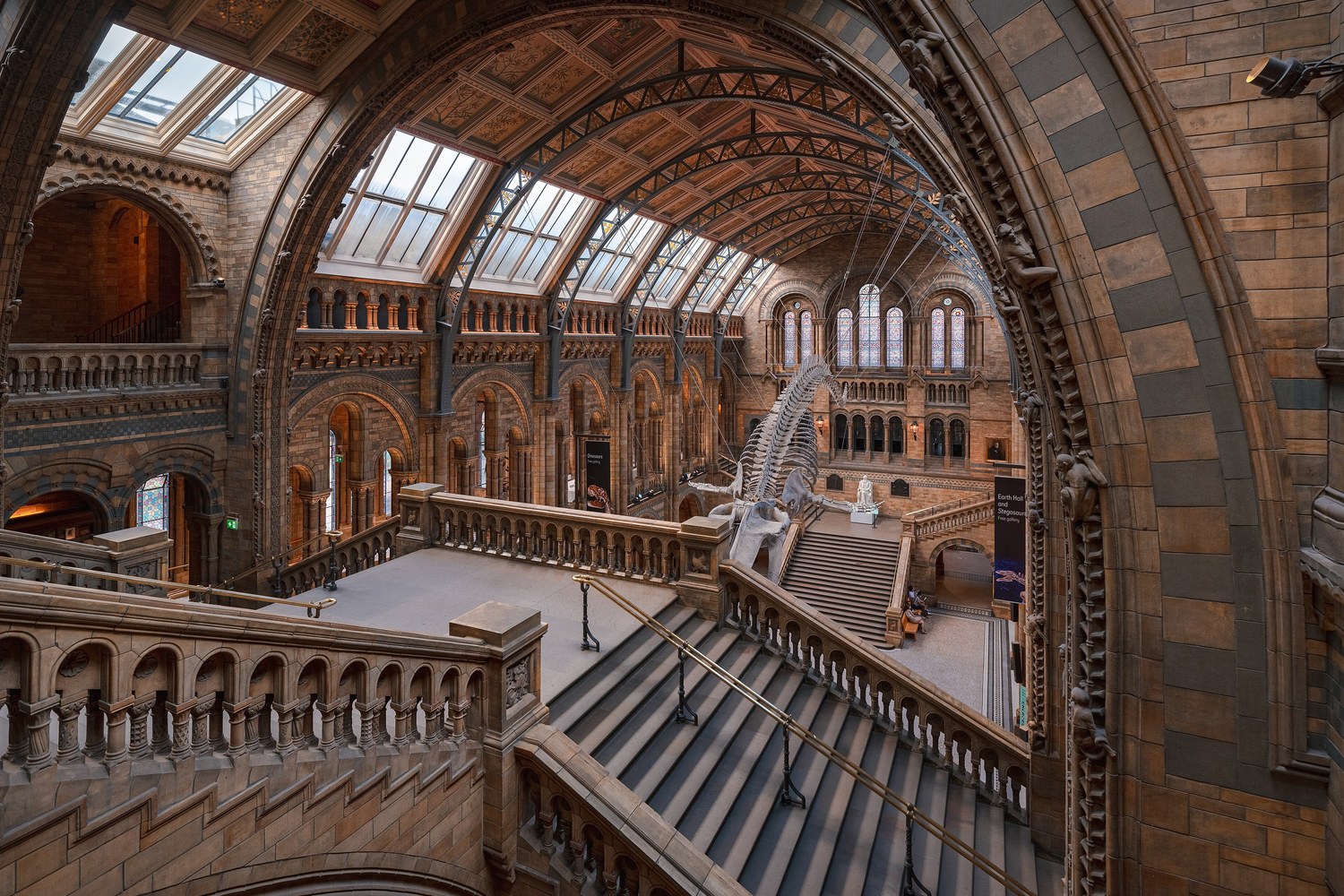
Hintze Hall inside the Natural History Museum in London
Natural History Museum[18]
Venue 18

Natural History Museum

Best for: Galas, large receptions, and talks connected to science or the future

An arrival in Hintze Hall needs very little theatrical help. A reception may include roughly 1,200 people, but a seated keynote occupies more floor and must leave protected routes around the collections. Screens and lights are guests in a museum, not objects the crew can put anywhere. Listen to speech in the empty hall and again after bodies and drapes arrive; gala acoustics say little about spoken detail. Because the public leaves before a large build can begin, the night may be short for the crew. Talks about nature or research gain weight here when they acknowledge the institution instead of borrowing its backdrop.

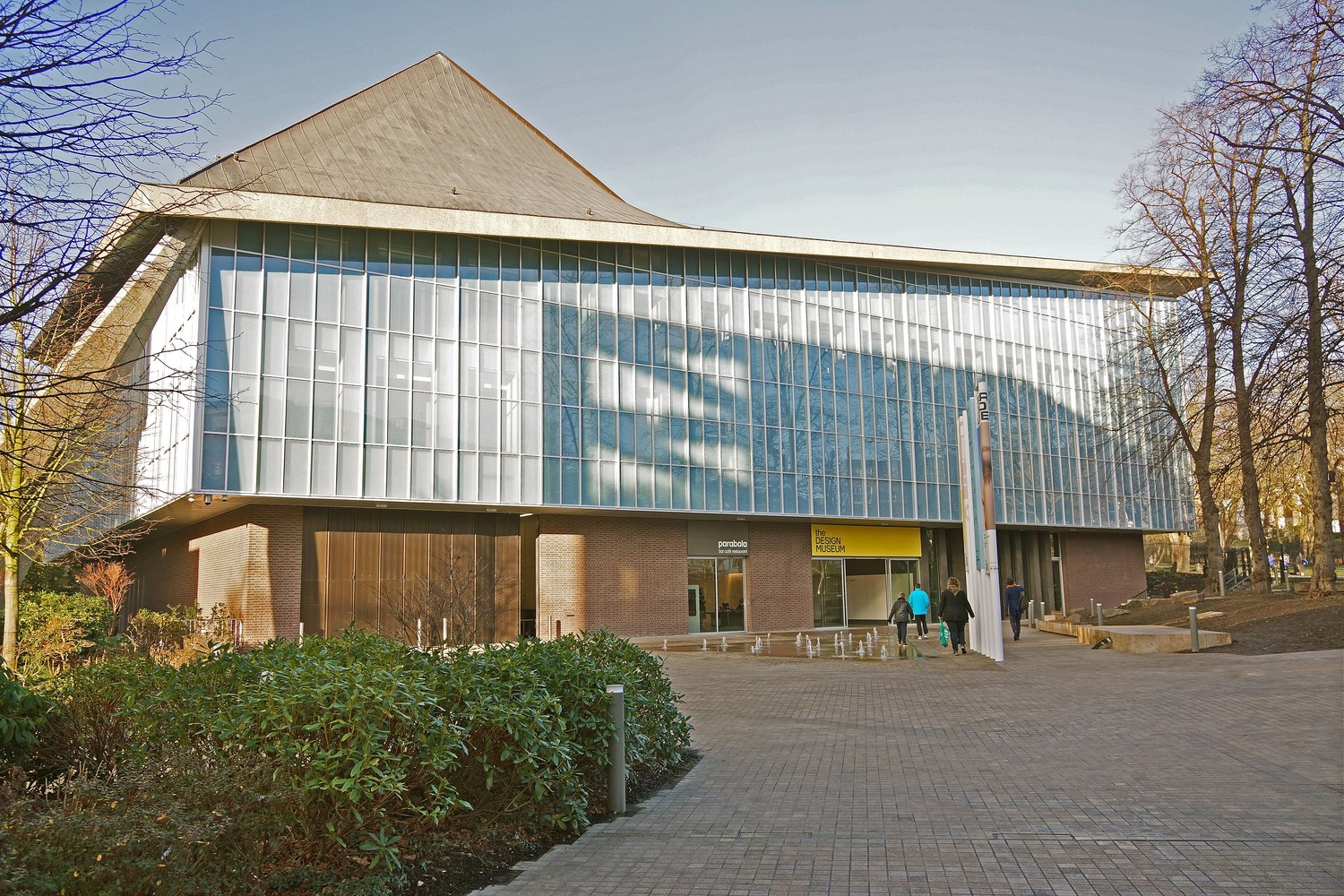
Modern entrance building of the Design Museum in Kensington
Design Museum[19]
Venue 19

Design Museum

Best for: Design, brands, innovation, and small to mid-sized specialist events

With 202 seats, the Bakala Auditorium is small enough for a speaker to see individual faces. Its rake and installed equipment already assume that somebody will give a talk. The atrium then provides a handsome place for drinks or a product display. Do not hide the main capacity limit inside a larger total for the museum: only those 202 people can share the auditorium experience. The setting rewards a subject rooted in design, products, or users. Generic innovation language tends to look particularly thin in a building devoted to the practical consequences of choices.

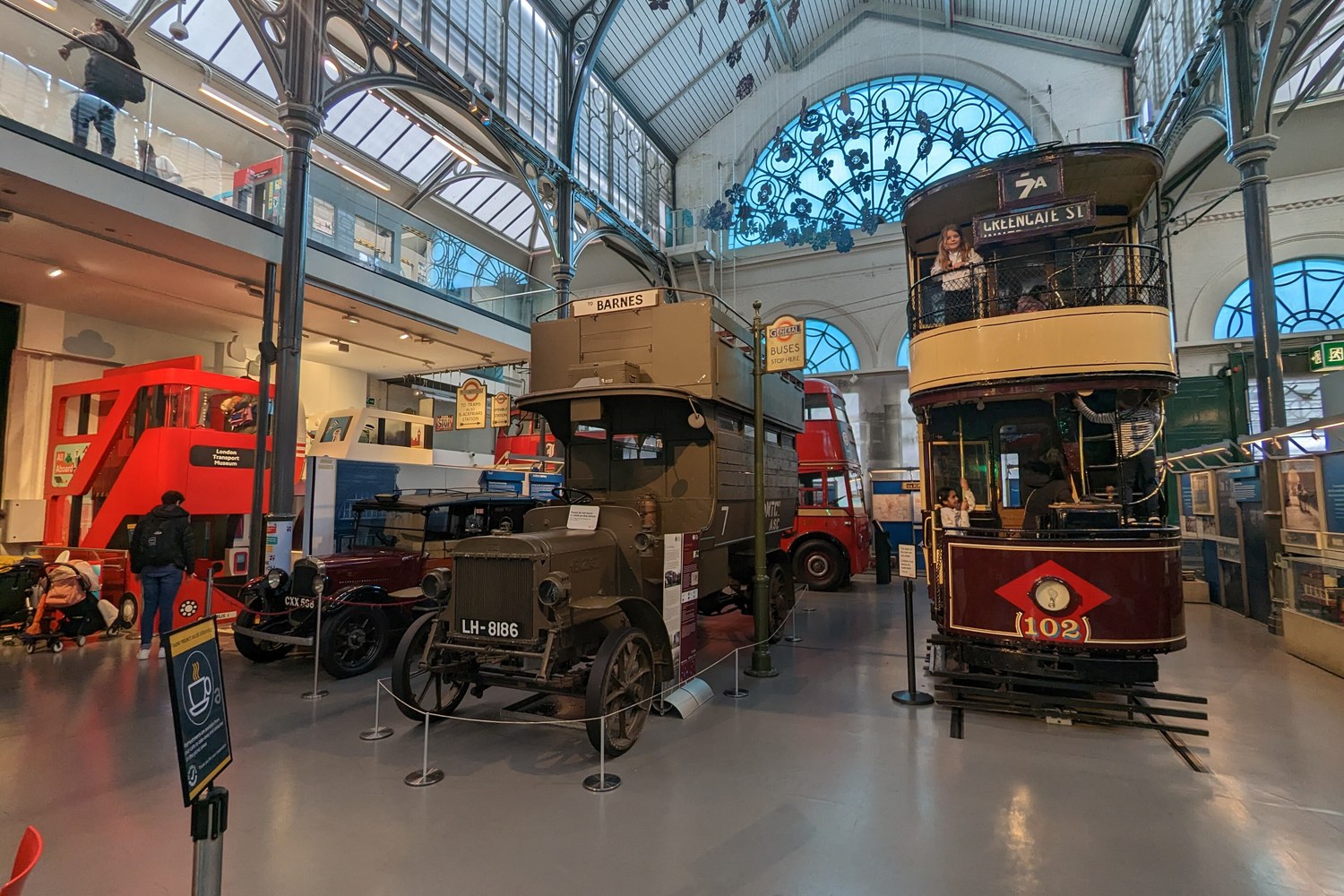
Historic vehicles inside London Transport Museum
London Transport Museum[20]
Venue 20

London Transport Museum

Best for: Mobility, urban development, and exclusive events for smaller groups

The Cubic Theatre has only about 110 seats. That is a virtue for a leadership group or specialist audience: nobody is stranded at the far side of a ballroom. After the talk, several hundred guests can use the museum galleries for a reception among London’s transport history. Keep those attractions closed during the keynote or people will wander. Museum opening times set the handover, and Covent Garden adds its own evening crowds outside. A precise door and meeting point will save a surprising number of phone calls.

Neoclassical façade of Somerset House
Somerset House[21]
Venue 21

Somerset House

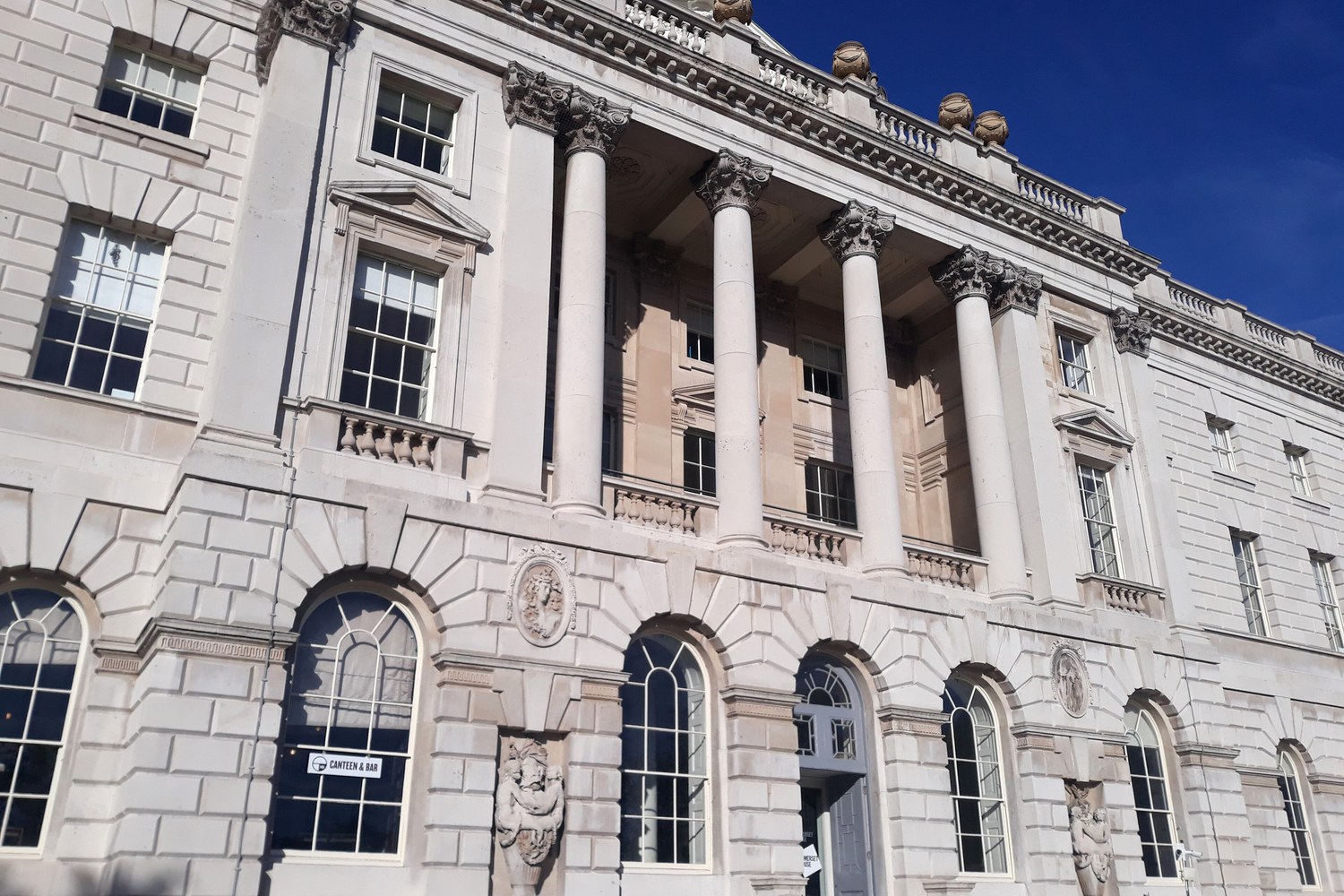
Best for: Culture, creative industries, brand events, and exclusive conferences

The courtyard dominates photographs of Somerset House, but the event offer may be a screening room, salon, or the Embankment Galleries. Capacity alone cannot compare them. The screening room is already pointed at an image; a gallery needs chairs, blackout, sound, and a stage to create that focus. An exhibition opening between inquiry and event can also remove the preferred option. Put the full room name into every proposal and inspect it with the screen drawn at its intended size. Prestige at the front door will not help a guest who must twist around to follow the slides.

Glass façade of Kings Place beside Regent’s Canal
Kings Place[22]
Venue 22

Kings Place

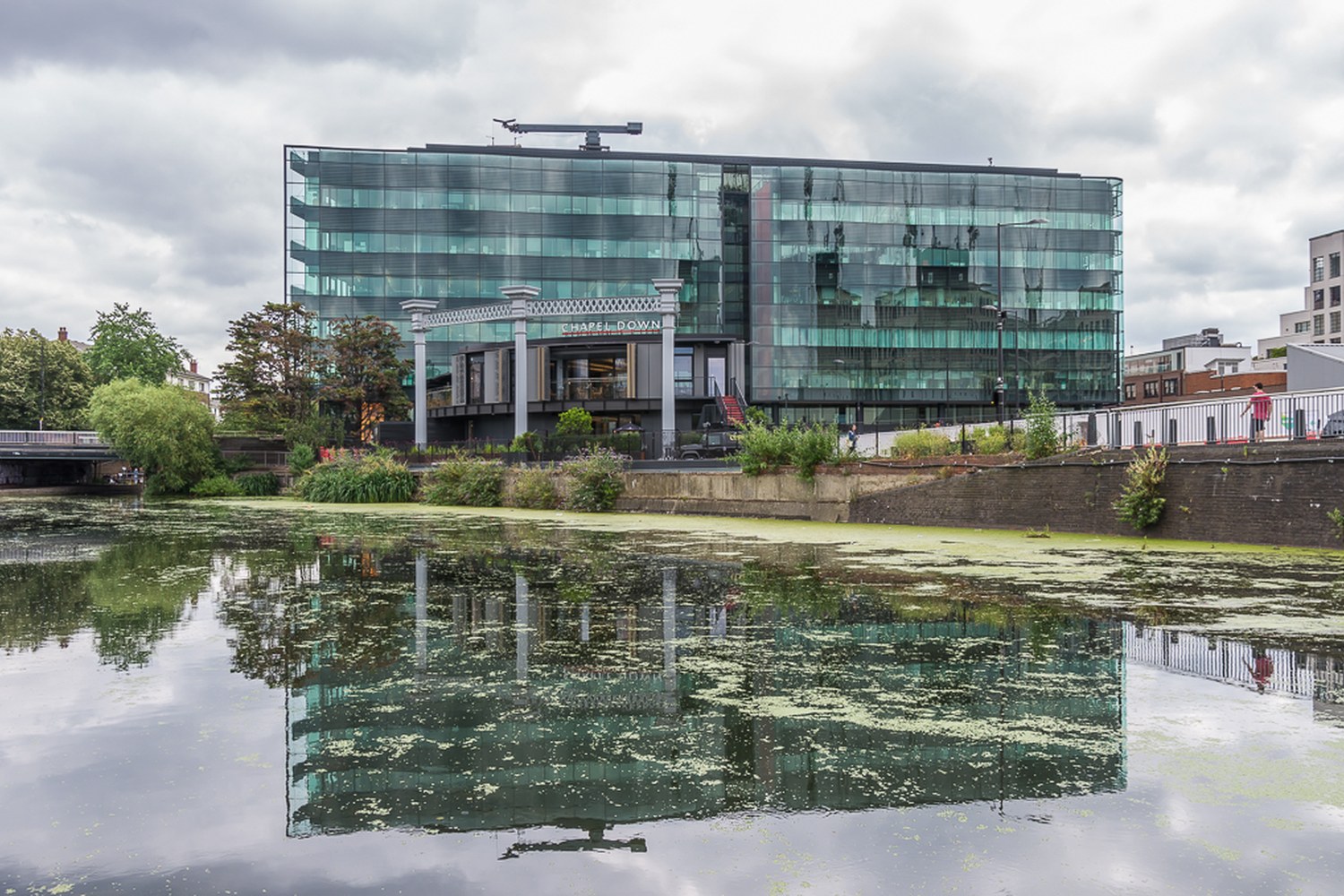
Best for: Specialist conferences, culture, media, and premium programmes for up to 400

Hall One begins with a rare advantage: its 400 seats rise towards the back, and the acoustics were made for attentive listening. There is no need to invent a lecture theatre inside a ballroom. The resident team knows the stage, while green rooms keep the speaker out of public corridors. Workshops and drinks can occupy other parts of the building. King’s Cross and St Pancras are close enough for a genuine train-based arrival plan. One question remains for the diary: will a public performance use the foyer or take the rehearsal slot later that day?

Historic façade of the Royal Institution in Mayfair
Royal Institution[23]
Venue 23

Royal Institution

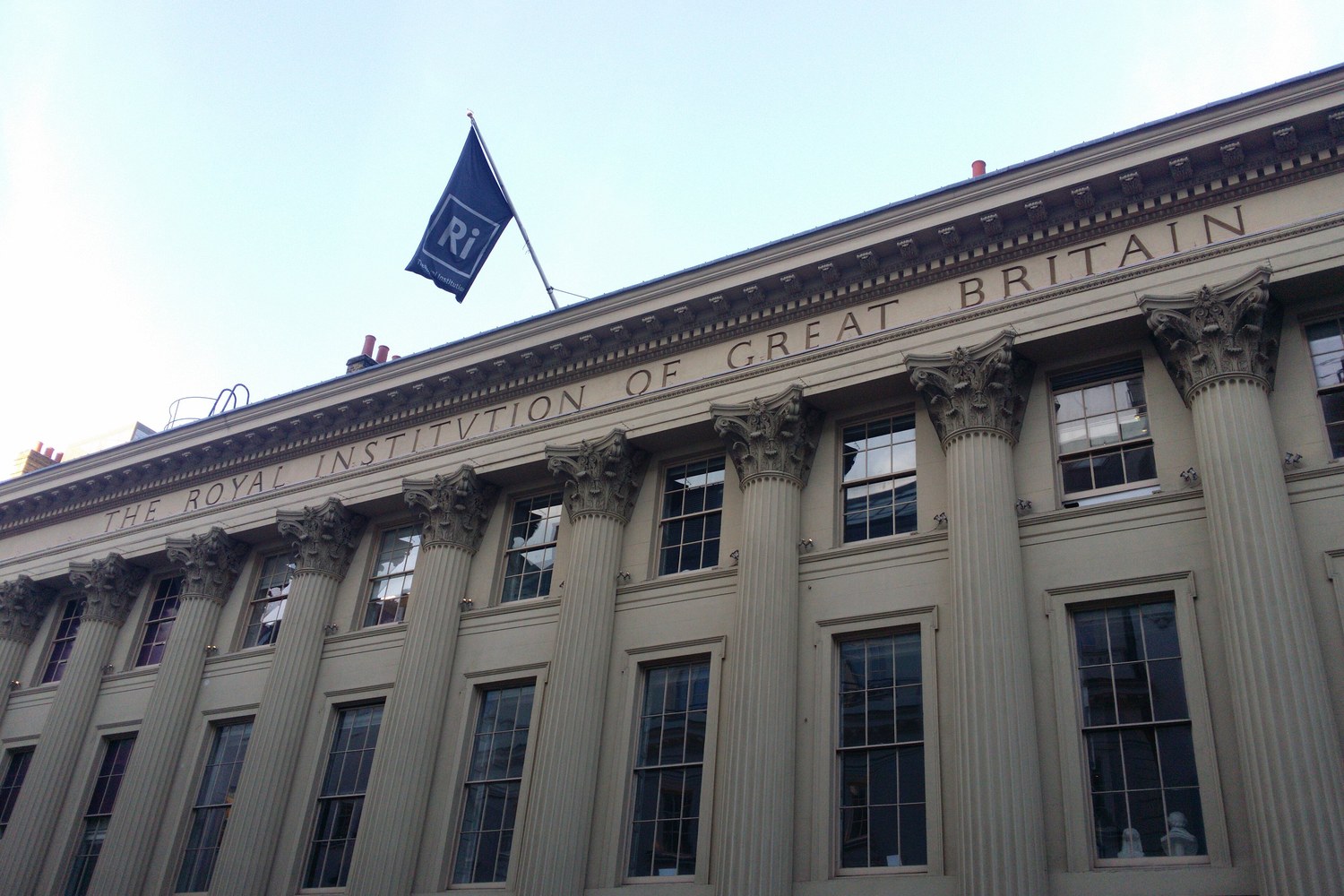
Best for: Science, research, leadership, and substantial mid-sized talks

The Royal Institution’s theatre packs about 400 people around the demonstration bench on steep rows. It is hard to hide behind vague slides in a room built for showing how things work. Streaming and recording are available, although an experiment or software demo should still be rehearsed on the installed system. Drinks and smaller conversations can move into adjoining rooms. Science and AI need no invented theme here. The audience is likely to reward a speaker who can show the evidence and challenge one who cannot.

All 23 venues at a glance

This table narrows the field; it cannot price the event. For that, send each shortlisted venue the date, room, and seating plan and ask for a written proposal.

VenueCharacterEspecially useful for
ExCeL LondonExpansive exhibition and convention campus at the Royal DocksInternational conventions, trade shows, and large corporate events
QEII CentrePurpose-built conference centre with 32 rooms in WestminsterPolicy conferences, associations, and complex international programmes
Olympia LondonHeritage halls and a new conference centre in west LondonTrade shows, major conventions, and brand events with exhibition content
Business Design CentreVictorian exhibition hall with modern conference roomsMid-sized conventions, exhibitions, and design-led corporate events
Barbican CentreMajor arts complex with a fixed concert hall in the CityCulture, architecture, leadership, and substantial conference programmes
Central Hall WestminsterDomed landmark opposite Westminster Abbey with a circular main hallLarge association events, ceremonies, and international conferences
Royal Festival HallSouth Bank concert hall with more than 2,500 seatsMajor ceremonies, customer events, and culturally ambitious keynotes
IET London: Savoy PlaceTechnology-focused event venue on Victoria EmbankmentTechnology, engineering, science, and hybrid specialist conferences
The BreweryFormer Whitbread brewery with the historic Porter TunCorporate conferences, awards, and evening events
Old BillingsgateFormer market hall by the Thames opposite The ShardLarge brand events, galas, and conferences with a London setting
Tobacco DockExpansive former warehouse complex in WappingLarge conferences, festivals, and programmes requiring many breakout rooms
GuildhallMedieval Great Hall at the administrative heart of the CityCeremonies, business, institutions, and formal corporate events
RoundhouseLandmark circular industrial building and music venue in CamdenCulture, transformation, employee events, and staged large-scale programmes
Royal Albert HallWorld-famous circular auditorium in South KensingtonRare ceremonial events and exceptionally large, high-production keynotes
indigo at The O2Standalone event hall within The O2 complexLarge conferences, awards, and evening programmes using show production
Alexandra PalaceExpansive historic venue on a hill in north LondonVery large conventions, exhibitions, and festival-style corporate events
Science MuseumScience museum with an IMAX theatre and contemporary event spacesScience, technology, AI, and product launches
Natural History MuseumMonumental museum hall in South KensingtonGalas, large receptions, and talks connected to science or the future
Design MuseumContemporary museum with a 202-seat auditorium and open atriumDesign, brands, innovation, and small to mid-sized specialist events
London Transport MuseumCovent Garden museum with a fixed theatre and gallery spacesMobility, urban development, and exclusive events for smaller groups
Somerset HouseLarge cultural campus on the Strand with contrasting room typesCulture, creative industries, brand events, and exclusive conferences
Kings PlaceModern arts and conference venue near King’s CrossSpecialist conferences, culture, media, and premium programmes for up to 400
Royal InstitutionHistoric scientific institution with a celebrated raked theatreScience, research, leadership, and substantial mid-sized talks

The best London venue shortens journeys and concentrates attention

Walk the site in the order guests will use it: arrival, registration, the furthest seat, stage, break, and departure. Put a real presentation on the screen and judge speech from the back row. That exercise reveals problems that do not appear on a capacity chart.

For an artificial intelligence talk, the technical system should do its job quietly and then disappear from view. Jan Ditgen explains the subject with concrete examples and demonstrations performed live. For content, format, and booking details, visit AI keynote speaker London.

Image credits

  1. [1]ExCeL London. Photograph: mattbuck. Source: Wikimedia Commons. Licence: CC BY-SA 4.0. Edit: cropped to 1500 × 1000 pixels and published as JPEG, WebP, and AVIF.
  2. [2]QEII Centre. Photograph: Delegate Connect Images. Source: Wikimedia Commons. Licence: CC BY 2.0. Edit: cropped to 1500 × 1000 pixels and published as JPEG, WebP, and AVIF.
  3. [3]Olympia London. Photograph: Thryduulf. Source: Wikimedia Commons. Licence: CC BY-SA 4.0. Edit: cropped to 1500 × 1000 pixels and published as JPEG, WebP, and AVIF.
  4. [4]Business Design Centre. Photograph: Jpbowen. Source: Wikimedia Commons. Licence: CC BY-SA 4.0. Edit: cropped to 1500 × 1000 pixels and published as JPEG, WebP, and AVIF.
  5. [5]Barbican Centre. Photograph: Nachomaans. Source: Wikimedia Commons. Licence: CC BY-SA 4.0. Edit: cropped to 1500 × 1000 pixels and published as JPEG, WebP, and AVIF.
  6. [6]Central Hall Westminster. Photograph: Diego Delso. Source: Wikimedia Commons. Licence: CC BY-SA 4.0. Edit: cropped to 1500 × 1000 pixels and published as JPEG, WebP, and AVIF.
  7. [7]Royal Festival Hall. Photograph: Cristian Bortes, edited by MenkinAlRire. Source: Wikimedia Commons. Licence: CC BY 2.0. Edit: cropped to 1500 × 1000 pixels and published as JPEG, WebP, and AVIF.
  8. [8]IET London: Savoy Place. Photograph: Shadowssettle. Source: Wikimedia Commons. Licence: CC BY-SA 4.0. Edit: cropped to 1500 × 1000 pixels and published as JPEG, WebP, and AVIF.
  9. [9]The Brewery. Photograph: Adam Bruderer. Source: Wikimedia Commons. Licence: CC BY 2.0. Edit: cropped to 1500 × 1000 pixels and published as JPEG, WebP, and AVIF.
  10. [10]Old Billingsgate. Photograph: Arild Vågen. Source: Wikimedia Commons. Licence: CC BY-SA 3.0. Edit: cropped to 1500 × 1000 pixels and published as JPEG, WebP, and AVIF.
  11. [11]Tobacco Dock. Photograph: Edwardx. Source: Wikimedia Commons. Licence: CC BY-SA 3.0. Edit: cropped to 1500 × 1000 pixels and published as JPEG, WebP, and AVIF.
  12. [12]Guildhall. Photograph: Diego Delso. Source: Wikimedia Commons. Licence: CC BY-SA 4.0. Edit: cropped to 1500 × 1000 pixels and published as JPEG, WebP, and AVIF.
  13. [13]Roundhouse. Photograph: Rcsprinter123. Source: Wikimedia Commons. Licence: CC BY 3.0. Edit: cropped to 1500 × 1000 pixels and published as JPEG, WebP, and AVIF.
  14. [14]Royal Albert Hall. Photograph: Colin. Source: Wikimedia Commons. Licence: CC BY-SA 4.0. Edit: cropped to 1500 × 1000 pixels and published as JPEG, WebP, and AVIF.
  15. [15]indigo at The O2. Photograph: Lewis Hulbert. Source: Wikimedia Commons. Licence: CC BY-SA 3.0. Edit: cropped to 1500 × 1000 pixels and published as JPEG, WebP, and AVIF.
  16. [16]Alexandra Palace. Photograph: The wub. Source: Wikimedia Commons. Licence: CC BY-SA 4.0. Edit: cropped to 1500 × 1000 pixels and published as JPEG, WebP, and AVIF.
  17. [17]Science Museum. Photograph: Shadowssettle. Source: Wikimedia Commons. Licence: CC BY-SA 4.0. Edit: cropped to 1500 × 1000 pixels and published as JPEG, WebP, and AVIF.
  18. [18]Natural History Museum. Photograph: Julian Herzog. Source: Wikimedia Commons. Licence: CC BY 4.0. Edit: cropped to 1500 × 1000 pixels and published as JPEG, WebP, and AVIF.
  19. [19]Design Museum. Photograph: Anthony O'Neil. Source: Wikimedia Commons. Licence: CC BY-SA 2.0. Edit: cropped to 1500 × 1000 pixels and published as JPEG, WebP, and AVIF.
  20. [20]London Transport Museum. Photograph: The Basingstoker. Source: Wikimedia Commons. Licence: CC BY-SA 2.0. Edit: cropped to 1500 × 1000 pixels and published as JPEG, WebP, and AVIF.
  21. [21]Somerset House. Photograph: acediscovery. Source: Wikimedia Commons. Licence: CC BY 4.0. Edit: cropped to 1500 × 1000 pixels and published as JPEG, WebP, and AVIF.
  22. [22]Kings Place. Photograph: Ian Capper. Source: Wikimedia Commons. Licence: CC BY-SA 2.0. Edit: cropped to 1500 × 1000 pixels and published as JPEG, WebP, and AVIF.
  23. [23]Royal Institution. Photograph: Walej. Source: Wikimedia Commons. Licence: CC BY-SA 4.0. Edit: cropped to 1500 × 1000 pixels and published as JPEG, WebP, and AVIF.
Jan Ditgen, AI keynote speaker

Jan Ditgen

About the author

  • 1,000+talks
  • CSPCertified Speaking Professional
  • 4keynote languages

Jan Ditgen is a keynote speaker on artificial intelligence. He has delivered more than 1,000 talks and holds the Certified Speaking Professional (CSP) designation from the National Speakers Association, the highest international designation for professional speakers.

He did not begin his career in computer science, which helps him explain artificial intelligence to audiences without a technical background in a clear, practical and engaging way. He speaks at companies, associations and professional conferences in German, English, Spanish and French. His keynotes examine the practical use of AI at work, its opportunities and risks, and how people can preserve their own judgment when answers are always available.

Jan Ditgen has written several specialist books. His books and articles give him room to examine questions about AI that a 60-minute keynote can only touch on. He connects his experience with AI and the events industry with clear analysis for companies and event organizers. Jan Ditgen is available to .

Contact

Phone: +49 221 80 14 96 0

ki-erklaerer@ewk-institut.eu

AI keynote speaker Jan Ditgen

EWK Vortrags GmbH & Co. KG

Gartenstr. 6

50996 Cologne, Germany

Last updated: 22 August 2026