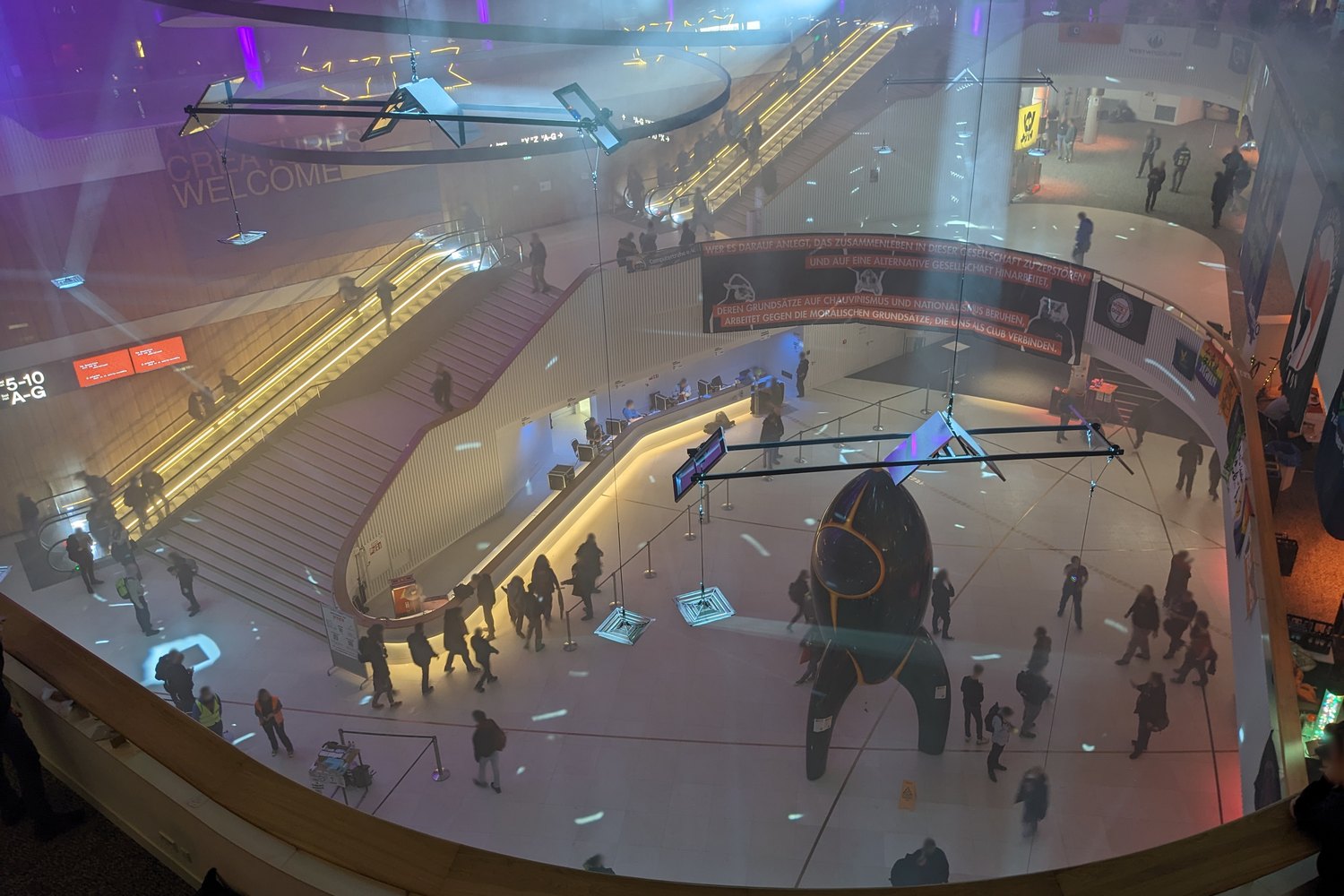
Bright foyer inside the modernized Congress Center Hamburg
Hamburg Venue Guide

24 Distinctive Hamburg Event Venues for Keynote Speakers

Convention centers, port warehouses, museums, arenas, and historic halls where the stage, the message, and Hamburg can work together.

CCH: Congress Center Hamburg[1]

Hamburg keynote venues designed for listening, not just looking

Hamburg gives event planners a pleasant problem: too many rooms look interesting at first glance. A warehouse beside the Elbe can win the beauty contest before anyone has checked the sound. Once the keynote begins, though, the audience needs something simpler. Can people in the last row hear every word and read the screen without effort? If the answer is no, the harbor view will not rescue the program.

Use the capacity numbers in this guide as clues, not promises. A stage takes away seats. So do cameras, production control, catering, and clear emergency routes. Some guests may be standing at a reception while every keynote attendee needs a chair. That is why a room advertised for 1,500 people can be the wrong choice for a seated audience of 800. Ask for the drawing that matches your setup.

Production needs change sharply from one Hamburg address to the next. In a port warehouse, the last screen may be a long way from the stage. A concert hall gives speech a fine acoustic setting but limits what can be built. Museums have their own opening hours and rules for protecting the collection. If an artificial intelligence keynote includes live demonstrations, test the primary internet line under realistic load. Keep a backup ready, but do not plan the show around it.

Geography matters as well. CCH and Hamburg Messe are easy for rail travelers and sit close to a large hotel base. HafenCity and the Elbe waterfront feel unmistakably local, although production vehicles or guest shuttles may take longer. The two stadiums and the arena lie farther west. Kampnagel and Museum der Arbeit open a different route into the city, with cultural context built into the address.

Before anyone discusses flowers or foyer furniture, write down five figures: expected attendance, usable stage width, distance to the farthest screen, number of rooms running at once, and hours available for setup. Those numbers remove unsuitable options quickly. The remaining venues can then be judged on character, hospitality, and how naturally they support the keynote.

Read this venue guide in German: Locations für Keynote-Speaker in Hamburg, French: lieux de conférence à Hambourg, or Spanish: espacios para eventos en Hamburgo.

Bright foyer inside the modernized Congress Center Hamburg
CCH: Congress Center Hamburg[1]
Venue 01

CCH: Congress Center Hamburg

Best for: Large conventions, annual meetings, and programs with many concurrent sessions

Start with the practical advantage: CCH sits beside Dammtor station, so train passengers can walk from the platform to the conference. Inside, as many as 50 halls and rooms are available after the rebuild. That sounds almost limitless, yet the main session still needs firm boundaries. Pick one hall, decide where the cameras can stand, and trace the admission route before adding breakouts. Otherwise a large audience can feel oddly scattered. CCH earns its place when a complicated program needs to run without complicated travel.

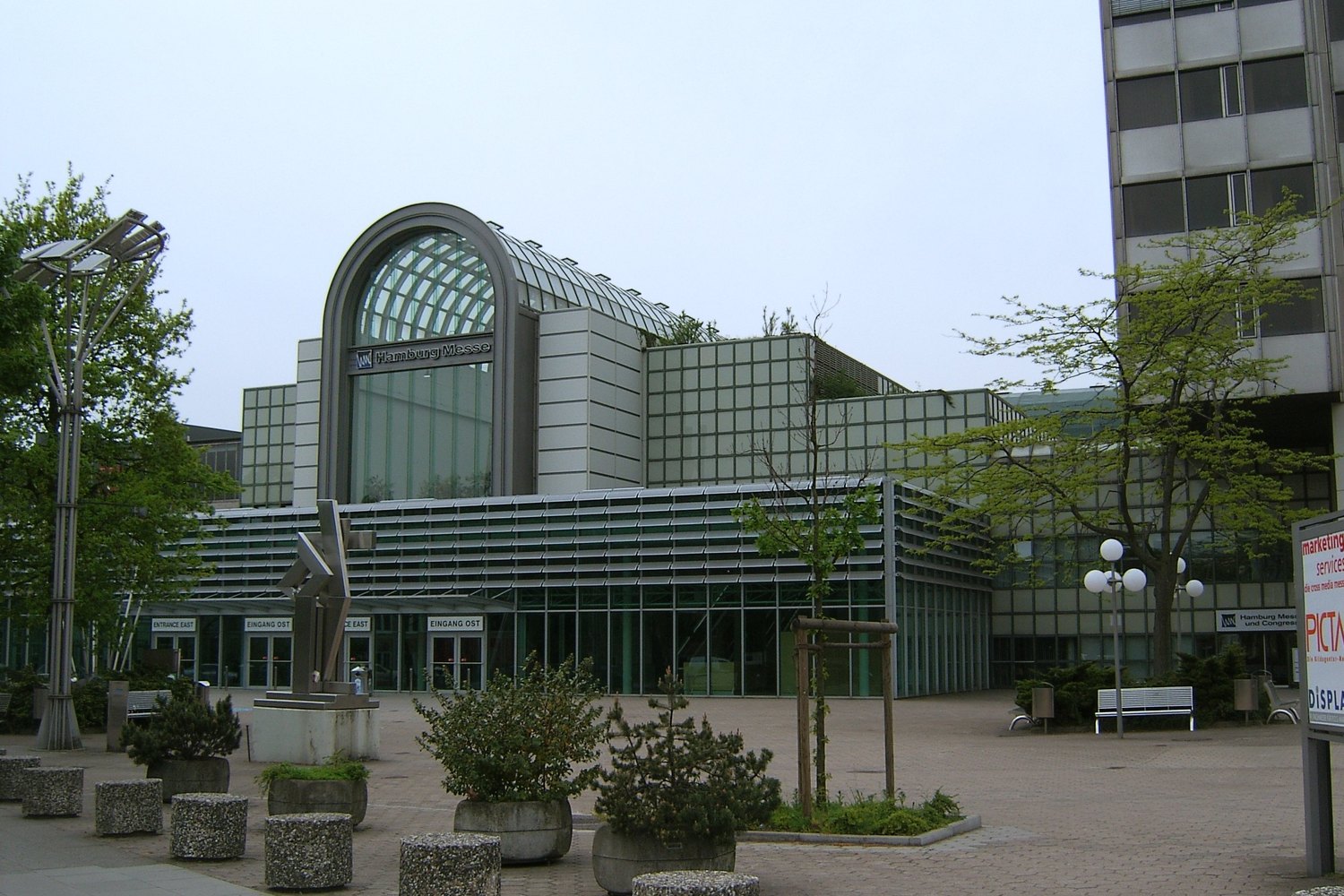
Glass facade at the east entrance of Hamburg Messe
Hamburg Messe[2]
Venue 02

Hamburg Messe

Best for: Trade shows, large conventions, product worlds, and multi-part corporate events

A keynote at Hamburg Messe usually belongs to something larger: a trade show, a product world, or a convention spread across several halls. That context is the appeal. It is also the production challenge. Long rooms produce long viewing distances, and bare exhibition walls are not kind to spoken sound. Build an auditorium inside the hall rather than treating the whole floor as one. With a mid-sized audience, curtains and a tighter seating block often do more for the atmosphere than another decorative structure. Check the trade show calendar before assuming that two neighboring halls connect.

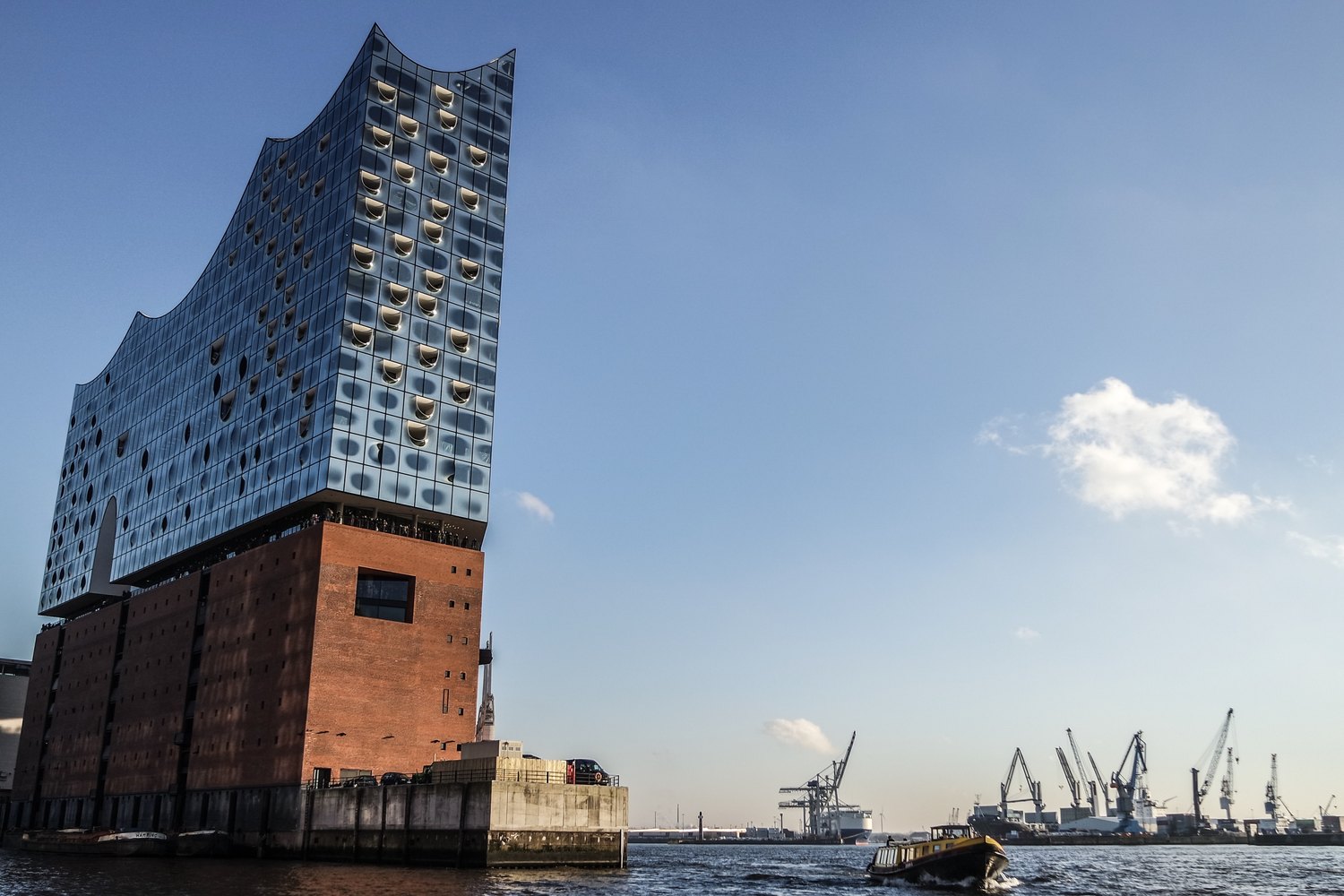
Elbphilharmonie concert hall in Hamburg's HafenCity at dusk
Elbphilharmonie[3]
Venue 03

Elbphilharmonie

Best for: Prestigious ceremonies, client events, and keynotes intended to carry special weight

No one walks into the Elbphilharmonie without looking up. That is both its gift and its danger for a keynote. The Grand Hall has about 2,100 seats in its usual setup; the Recital Hall has 532. Guests are ready to listen, but the building follows concert-house rules. A screen, a live demonstration, or a change between speakers may need more negotiation than it would in a convention center. Let the architecture do most of the visual work. The speaker will be easier to remember if the stage does not try to outshine the room.

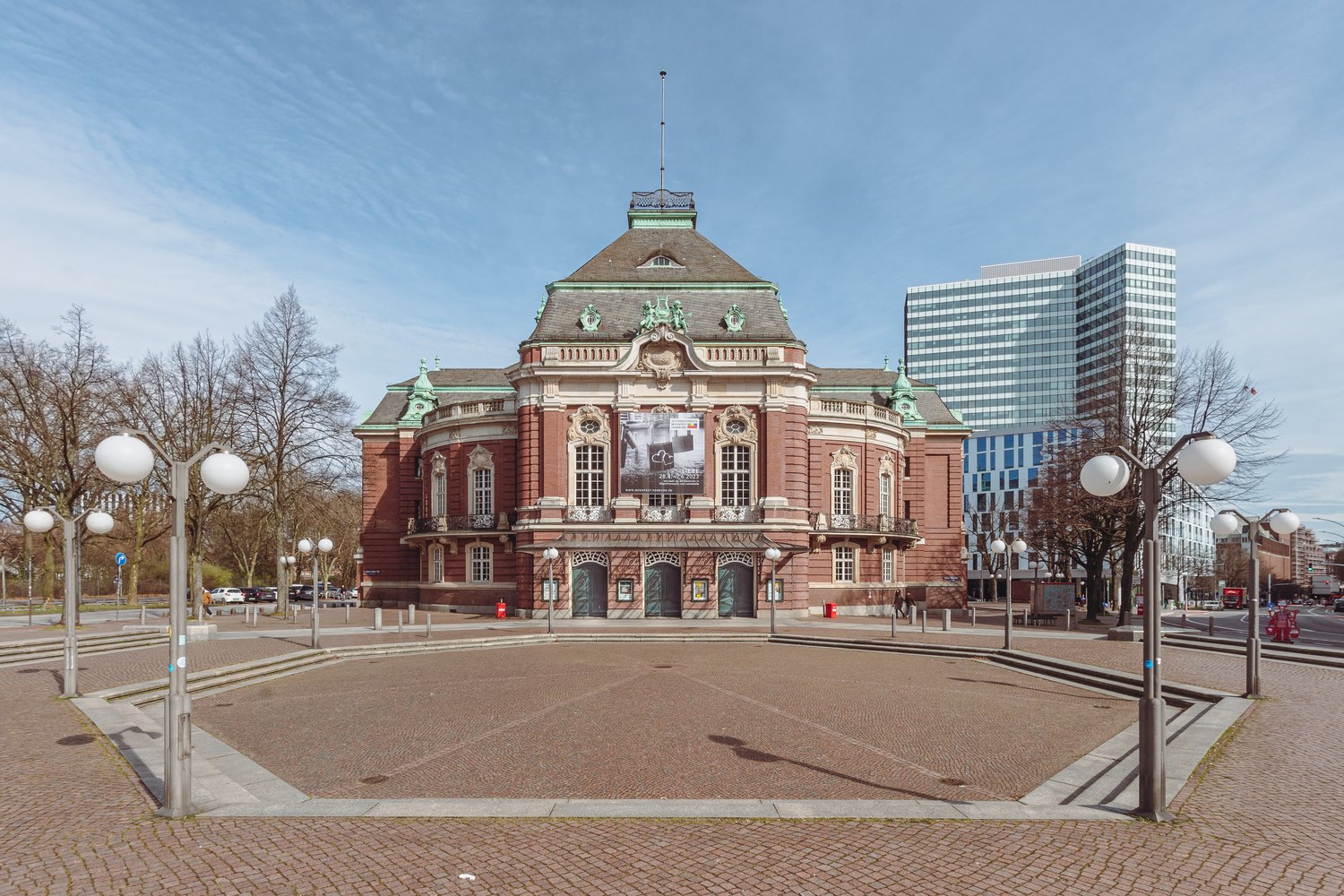
Historic facade of Laeiszhalle at Johannes-Brahms-Platz
Laeiszhalle[4]
Venue 04

Laeiszhalle

Best for: Ceremonial events, association meetings, and talks that benefit from a classic stage

Laeiszhalle solves one problem before the production team arrives: every chair already faces a proper stage. Just over 2,000 people fit in the Grand Hall, while the Recital Hall holds roughly 640. That geometry suits a substantial talk. It leaves less freedom for scenery and suspended equipment, so send the production drawing early and inspect the view from the side seats. The location is easy for guests. The historic foyers are less forgiving when admission, coat check, and a coffee break all happen at the same minute.

Historic Schuppen 52 warehouse in the Port of Hamburg
Schuppen 52[5]
Venue 05

Schuppen 52

Best for: Large employee events, product presentations, and evening programs by the water

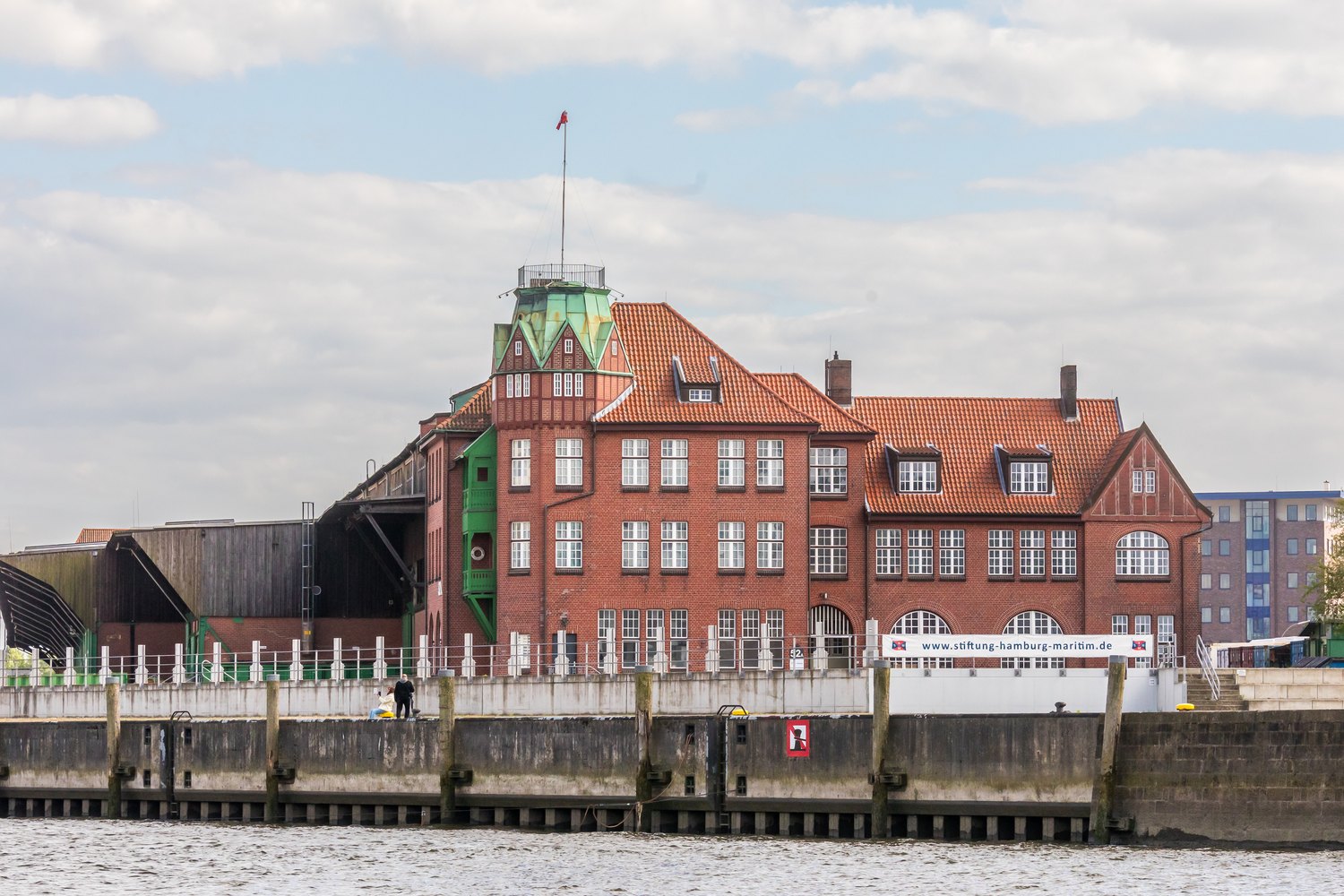
Six thousand square meters sounds generous. In Schuppen 52, it can also swallow a crowd that would fill an ordinary ballroom. The warehouse holds up to about 3,000 people, but planners should draw the audience area before celebrating the maximum. Drapes can shorten the room; lighting and screens can pull attention back to the stage. Stand where the final row will be and listen to spoken audio, not music. The port setting then remains a memorable frame instead of becoming a large, echoing distraction. Confirm loading doors and setup hours while the floor plan is open.

Historic Fischauktionshalle on Hamburg's Elbe waterfront
Fischauktionshalle[6]
Venue 06

Fischauktionshalle

Best for: Client events, galas, and conferences with an unmistakable Hamburg setting

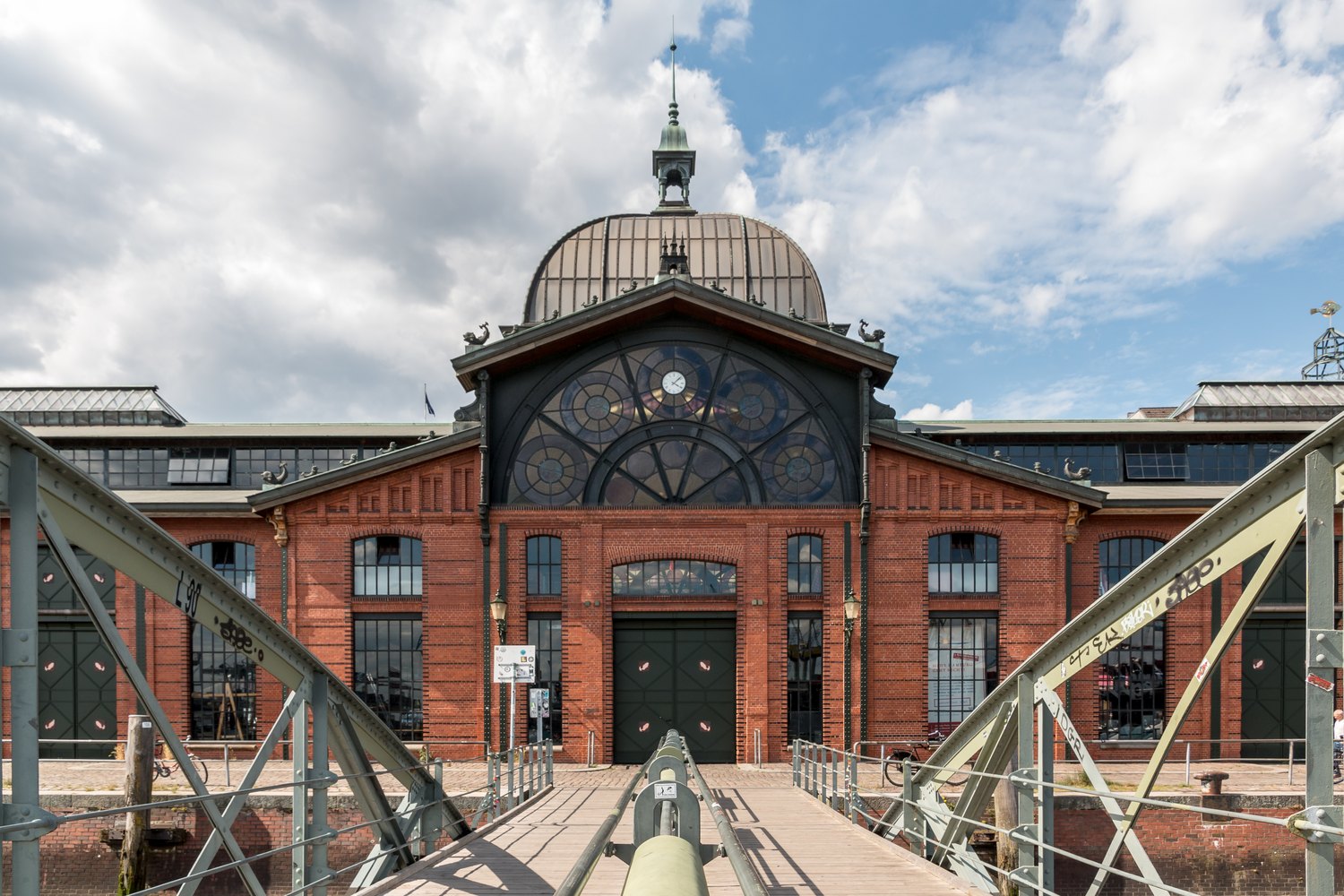
Fischauktionshalle looks unmistakably Hamburg, especially when the Elbe is visible through the glass. The room changes character with the hour, though. A screen that works after sunset may disappear in afternoon light. Mark the stage position during the site visit and check what the audience will see behind it. The long hall also needs thoughtful speaker placement. Keep the bar and catering away from the listening zone, or the keynote will compete with glasses and conversation. This venue works best when the waterfront is part of the event story, not merely a background for photographs.

Cruise Center Steinwerder terminal in the Port of Hamburg
Cruise Center Steinwerder[7]
Venue 07

Cruise Center Steinwerder

Best for: Large corporate events, logistics topics, and flexible port productions

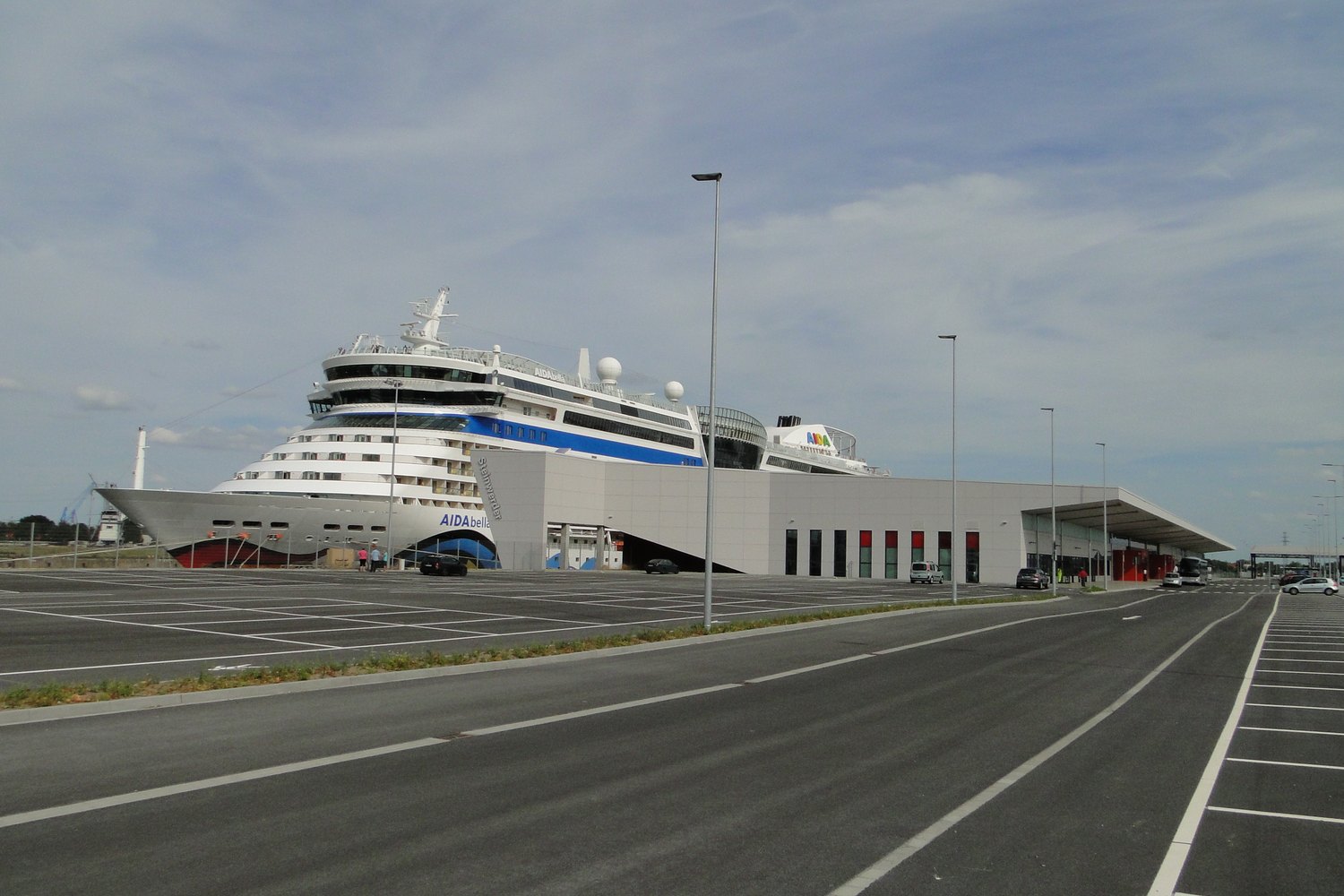
Cruise Center Steinwerder offers something rare in Hamburg: an enormous, straightforward terminal floor that can hold registration, exhibits, and the main session together. The tradeoff is the address. Guests cannot simply stroll over from a downtown hotel, so shuttles and the late-evening trip back across the Elbe need a real schedule. Inside, resist the temptation to use every square meter. A darker, compact seating area will serve a keynote better than a broad field of chairs. Ship calls determine which space is free, making date-specific confirmation essential.

Cap San Diego museum ship at Hamburg's Landungsbrücken
Cap San Diego[8]
Venue 08

Cap San Diego

Best for: Exclusive client events, maritime topics, and small to mid-sized talks

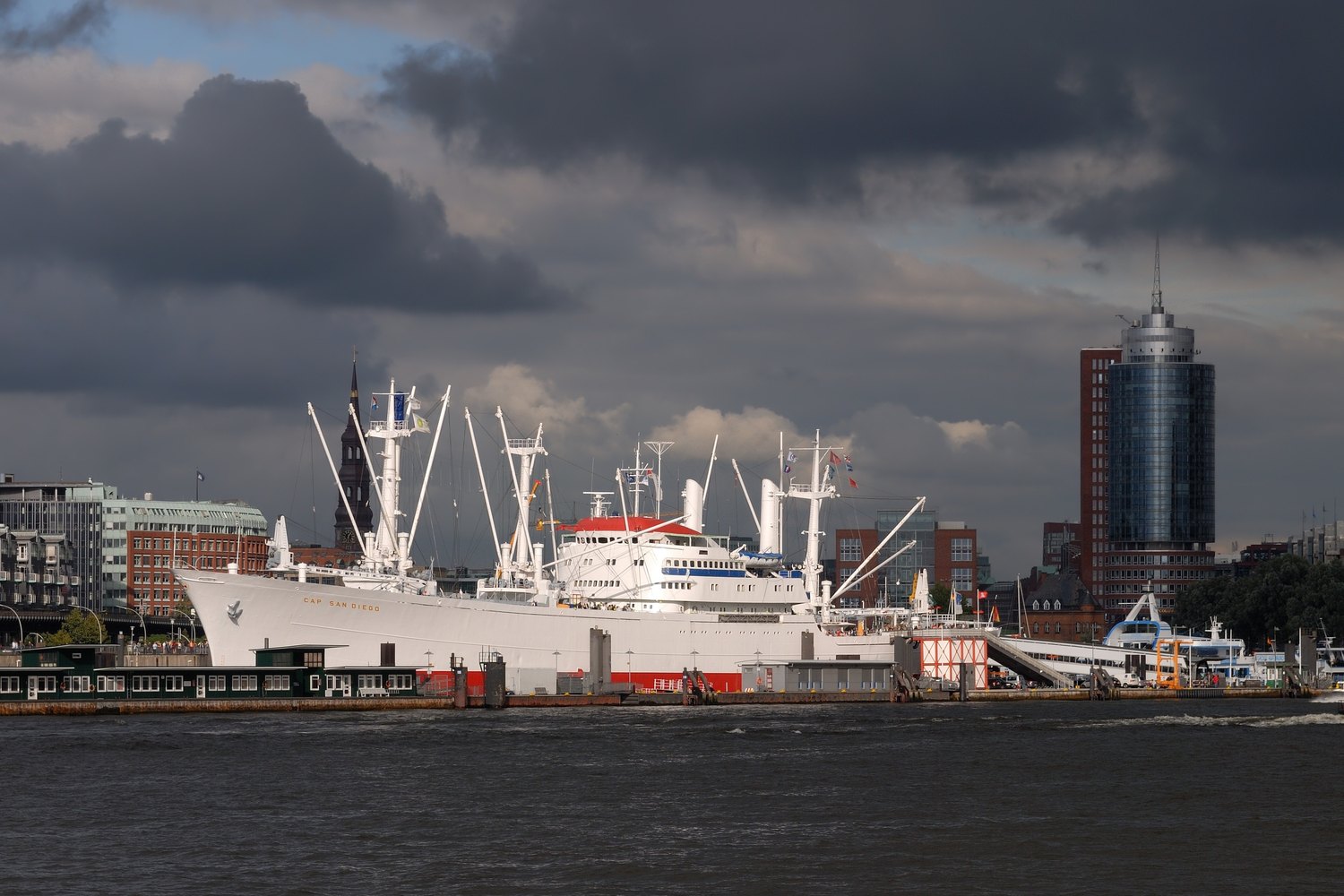
Cap San Diego is a ship first and an event venue second. That is why it is memorable. Groups of roughly 20 to 500 can use different areas, but a capacity number says little about a room shaped by bulkheads, columns, and low ceilings. Walk the exact route with the seating plan in hand. Can equipment reach the room? Can every guest use the stairs or alternatives provided? Is the screen visible around the structure? A maritime topic needs little extra scenery here. For an unrelated subject, the vessel may become the main attraction whether the planner intends it or not.

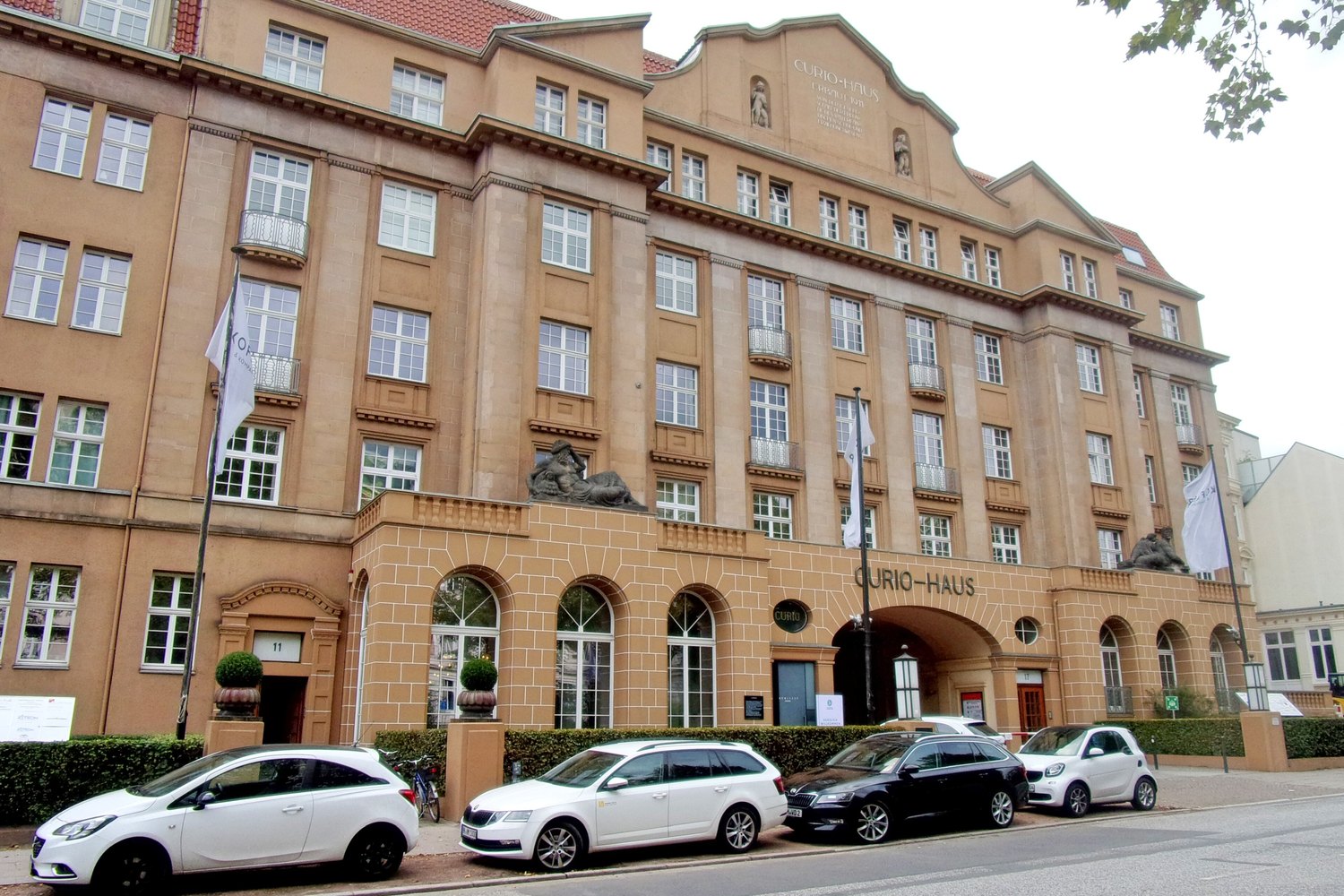
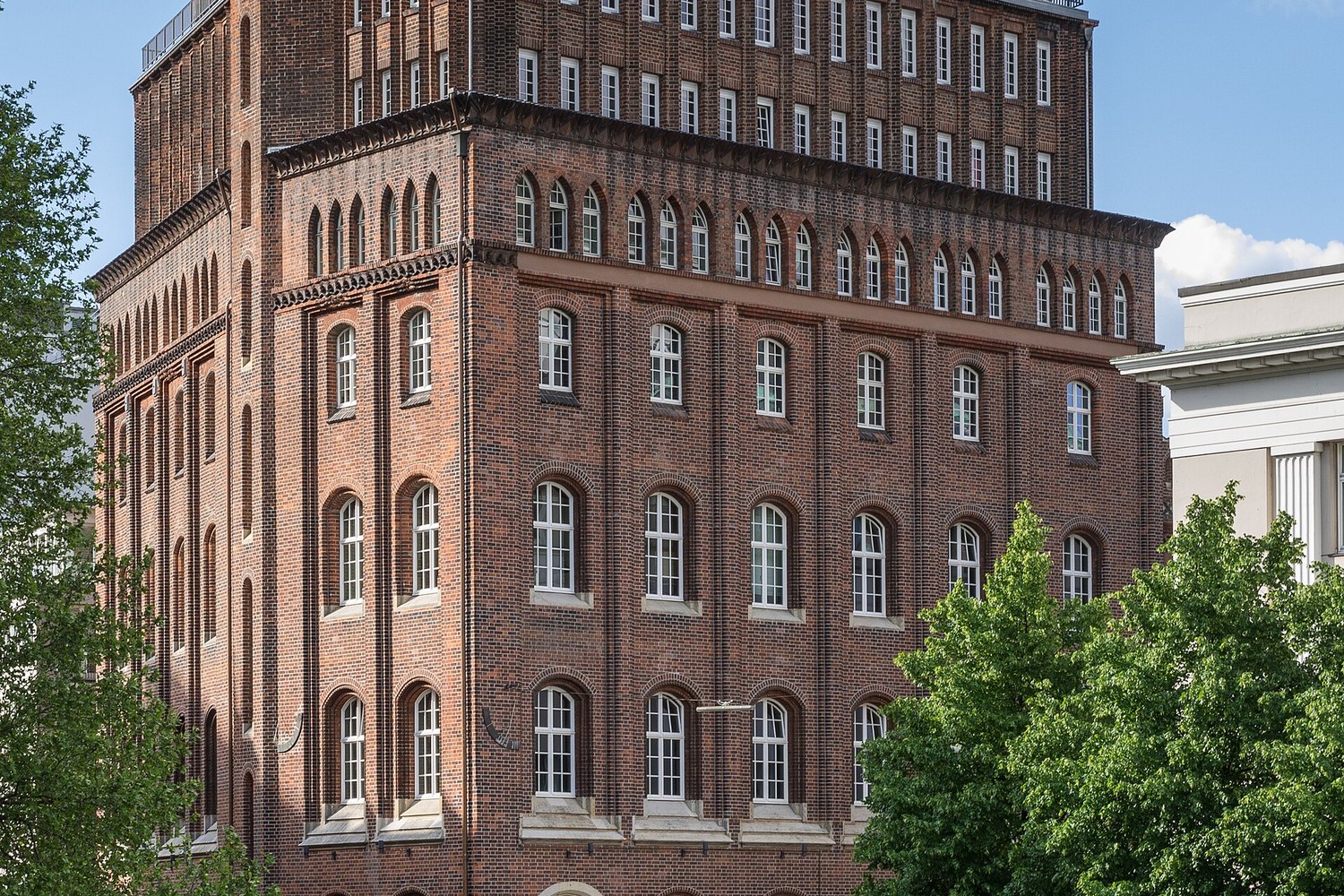
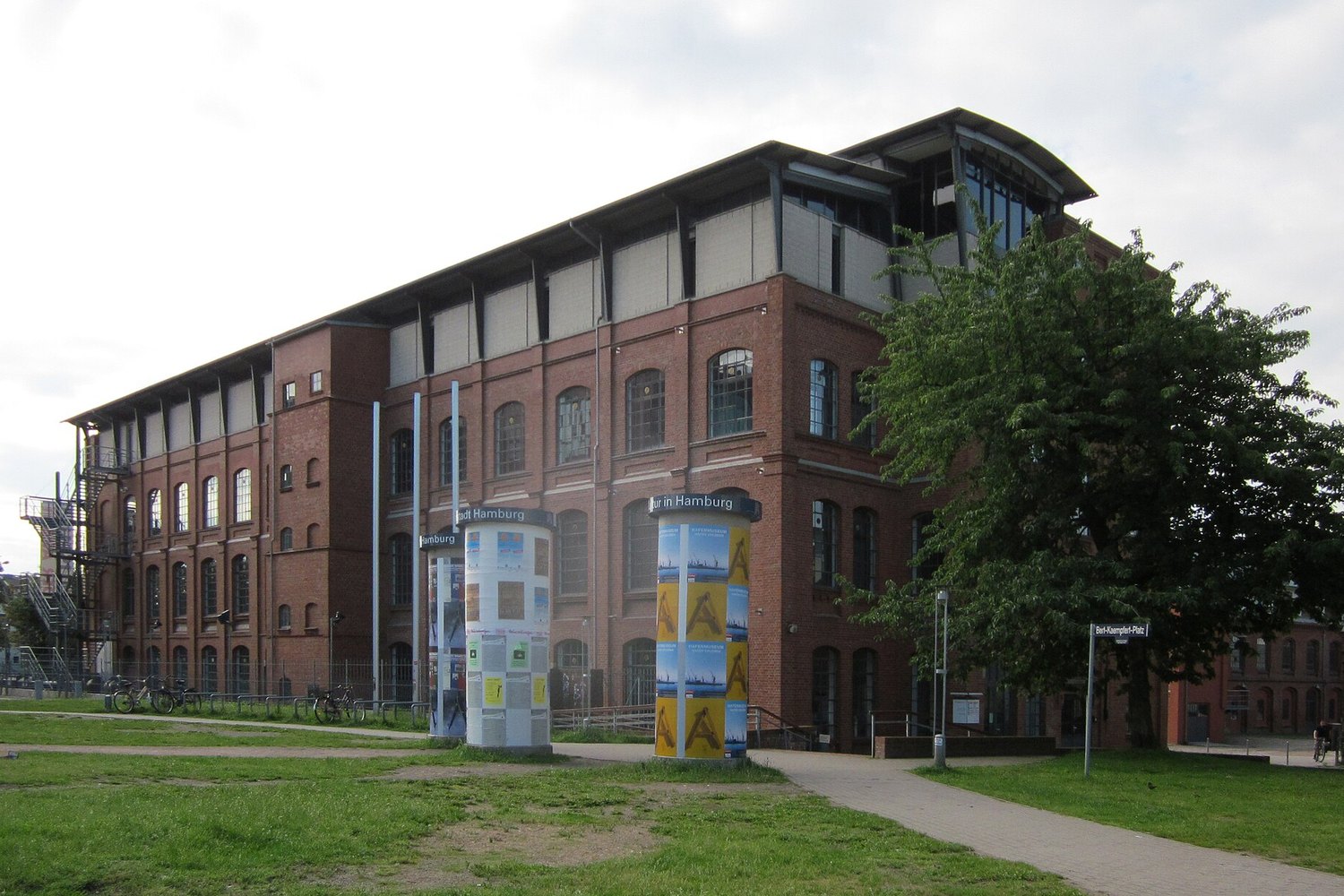
Brick facade of Curio-Haus in Hamburg's Rotherbaum district
Curio-Haus[9]
Venue 09

Curio-Haus

Best for: Conventions, receptions, and multi-part events in a central location

Curio-Haus can host up to about 1,500 guests across roughly 2,300 square meters, yet that total is not the number to plan a keynote around. The audience sits in one particular room. The ballroom handles a mid-sized theater setup, while neighboring spaces can take workshops or a reception. That division is useful, provided people can move between floors without a jam at break time. Bring the run of show on the site visit. It will reveal where production control belongs and which staircase carries the busiest traffic.

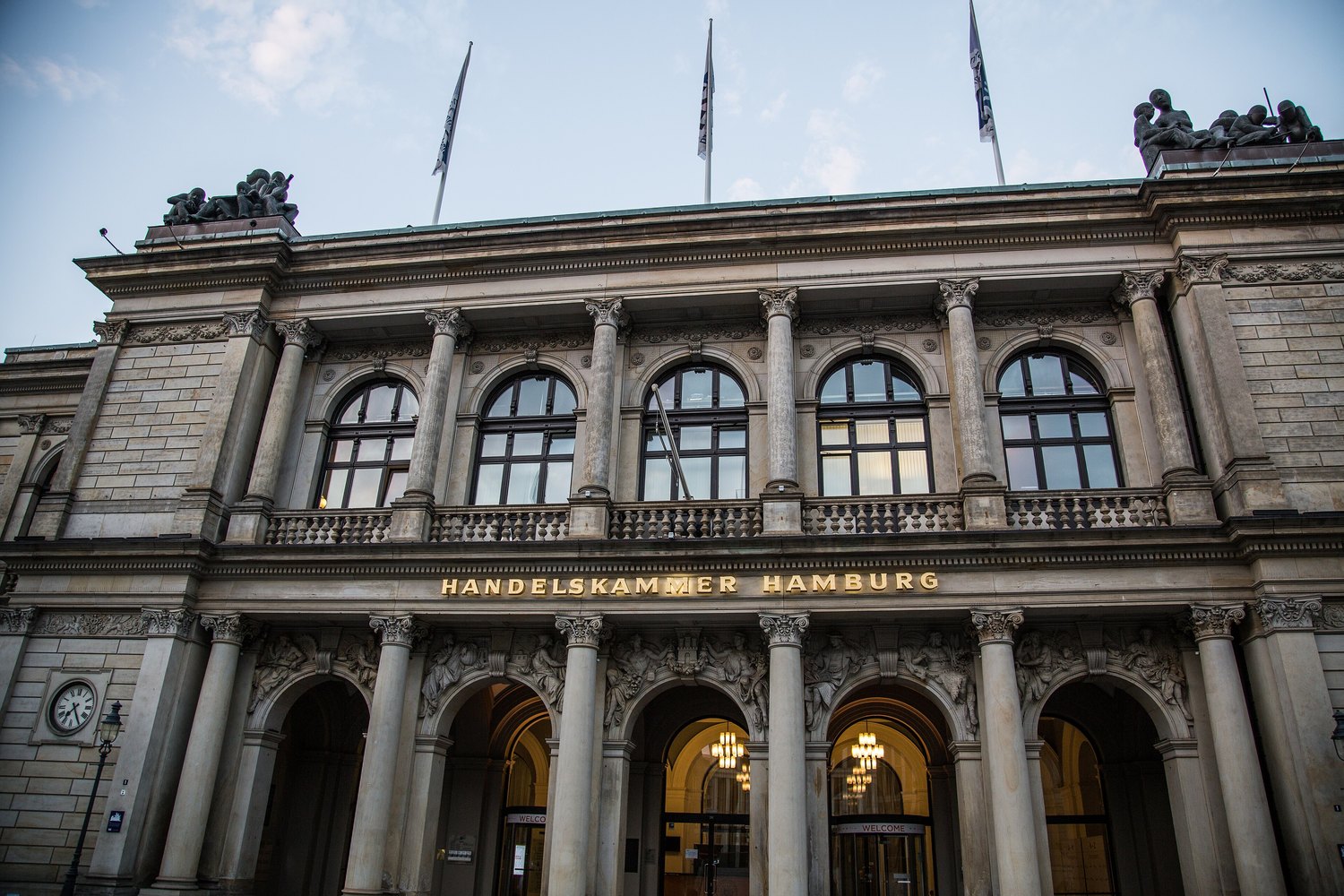
Hamburg Chamber of Commerce building at Adolphsplatz
Hamburg Chamber of Commerce[10]
Venue 10

Hamburg Chamber of Commerce

Best for: Business conferences, association meetings, and corporate specialist topics

For a conference about business or leadership, the Hamburg Chamber of Commerce needs little explanation. Börsensaal supplies the main stage and seats several hundred people, depending on the arrangement. Other rooms can absorb smaller meetings. Do not assume that a historic hall will accept a standard conference set dropped into the middle. Check the platform width and throw a test image on the screen. Admission rules and operating hours also deserve an early conversation, particularly when an evening reception follows the daytime program.

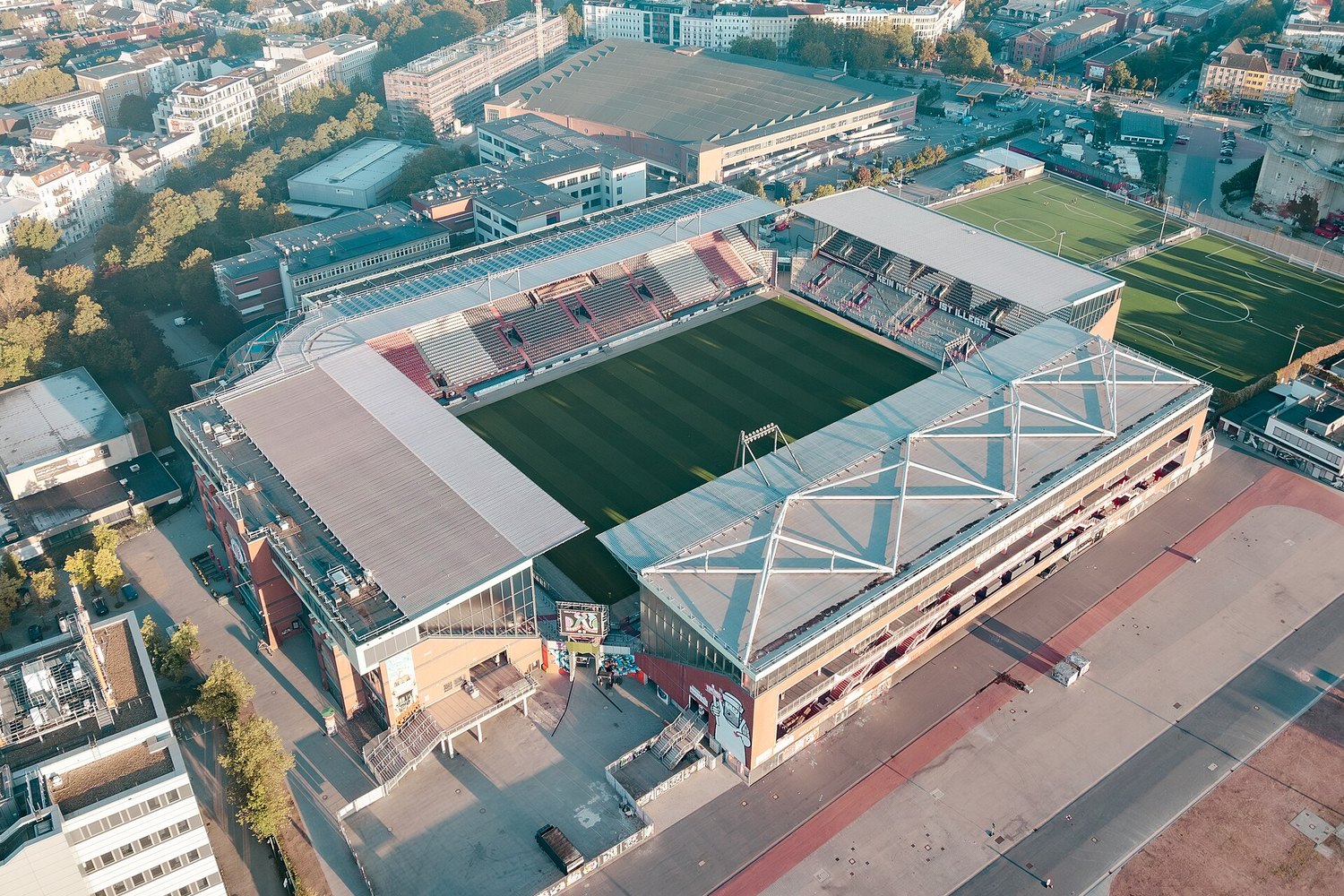
FC St. Pauli's Millerntor-Stadion in Hamburg
Millerntor-Stadion[11]
Venue 11

Millerntor-Stadion

Best for: Leadership events, brand programs, and topics connected to sports or values

Millerntor gives an event a point of view before the program begins. FC St. Pauli's identity is part of the address, so the fit with the organization matters. Most keynotes will use a business or event room rather than the stands. That gives production teams proper control while preserving a view into the stadium. On a match week, access works differently. Security areas, delivery times, and public activity may reshape the plan. Once inside, arrange the chairs toward the speaker; a famous field should not become the audience's permanent second screen.

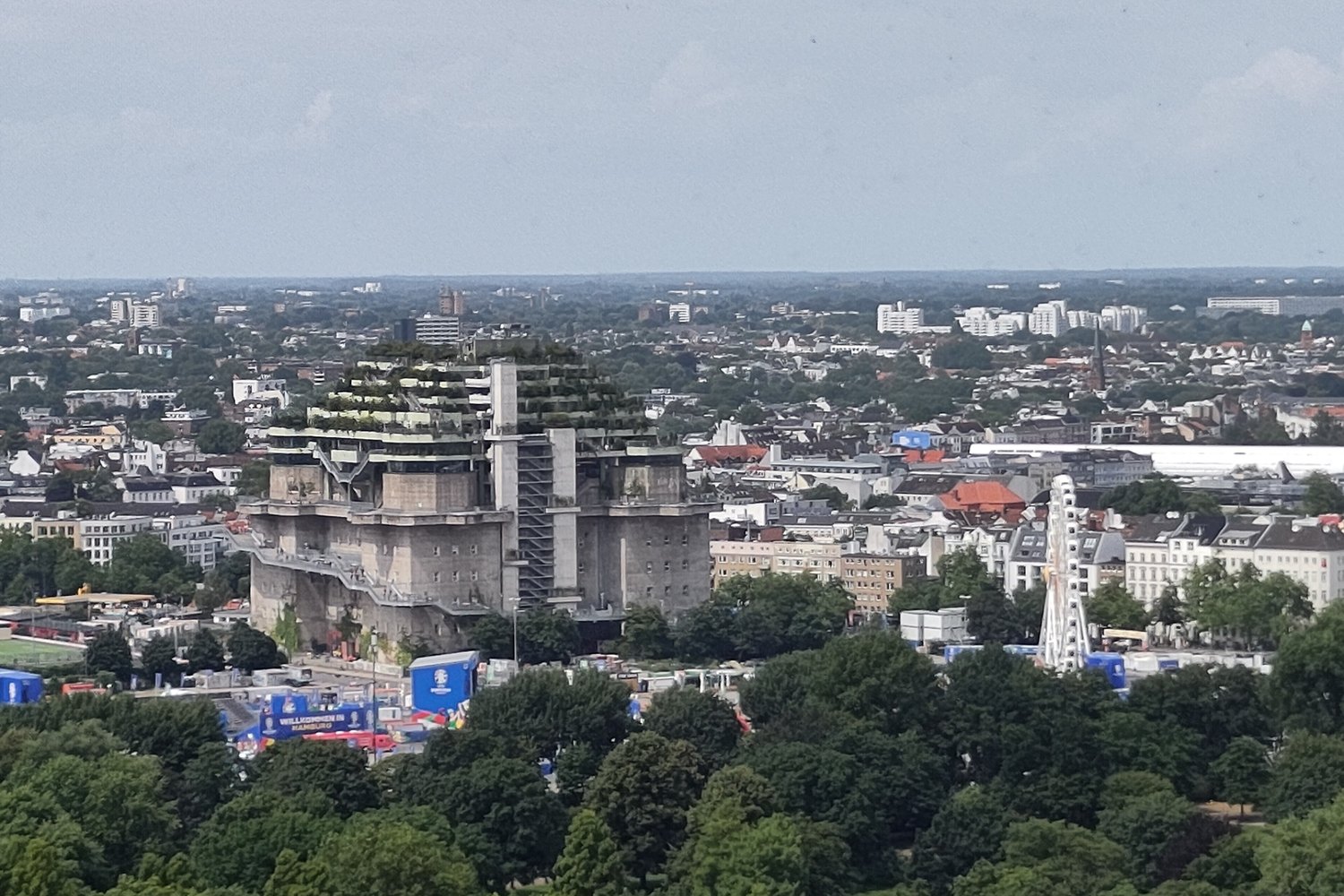
Green roof landscape on Hamburg Bunker at Heiligengeistfeld
Georg Elser Halle at Hamburg Bunker[12]
Venue 12

Georg Elser Halle at Hamburg Bunker

Best for: Large conferences, cultural programs, and contemporary corporate events

The green Hamburg Bunker is already a conversation starter. Georg Elser Halle adds a new, purpose-built room inside that landmark and can serve a four-figure audience in suitable configurations. Because the venue is relatively new, ask for today's drawings rather than relying on photographs from an earlier production. Then walk the arrival: elevators, coat check, and public visitors elsewhere in the building can affect the first half hour. A clear route from street to seat will do more for the keynote than another sign placed at the final door.

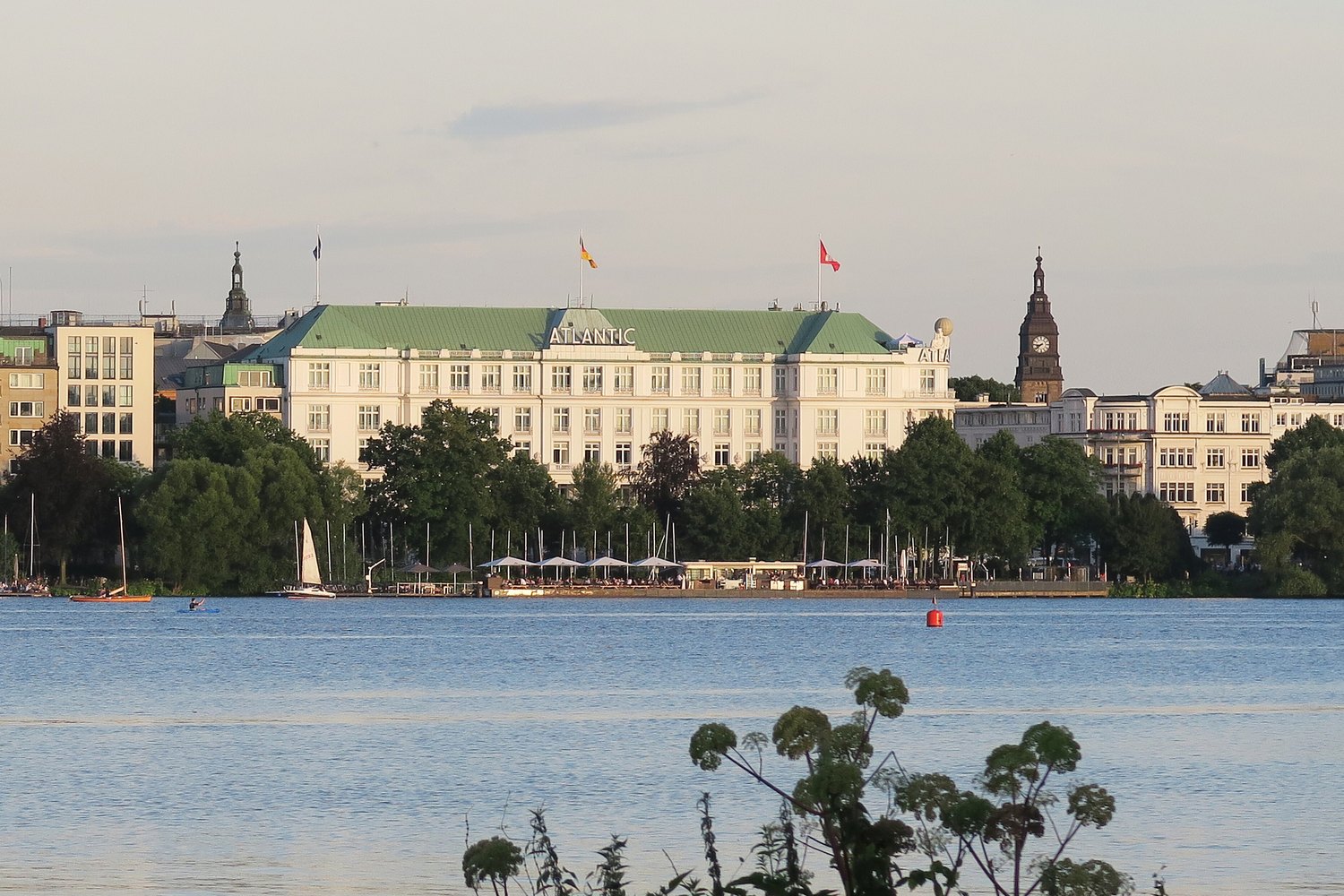
White facade of Hotel Atlantic beside Hamburg's Outer Alster lake
Hotel Atlantic Hamburg[13]
Venue 13

Hotel Atlantic Hamburg

Best for: Executive meetings, client events, and conferences with guest rooms

Hotel Atlantic keeps bedrooms, meeting rooms, and dinner under one roof. That can remove a surprising amount of friction from an international program. Its Grand Ballroom measures about 379 square meters and holds up to roughly 550 guests, depending on the setup. The room carries a traditional tone. If the company wants a highly visual stage, place the proposed screen on the plan and confirm what may be rigged. Good hotel logistics do not solve a production mismatch discovered after the carpet has been protected and the set is arriving.

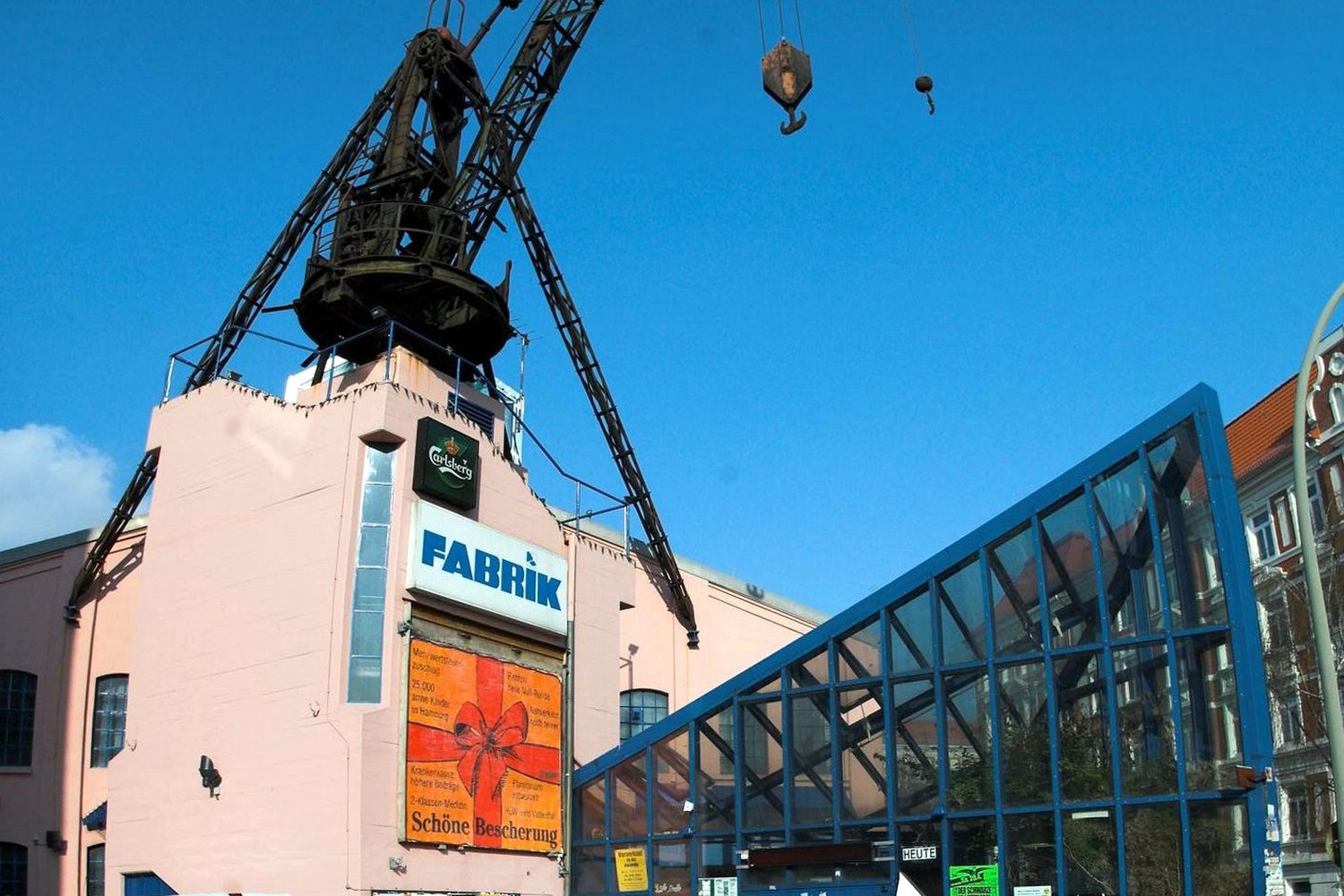
Brick exterior of Fabrik in Hamburg-Altona with its historic crane
Fabrik[14]
Venue 14

Fabrik

Best for: Creative industries, culture, transformation, and informal corporate events

Fabrik has the energy of a working cultural venue, not the polished neutrality of a conference hotel. Brick walls and open galleries make the room feel lived in. They also create sightline and sound questions that a concert audience may accept more readily than a seated business crowd. The venue can hold roughly 1,200 people overall, although the usable keynote number depends on the chairs and stage. Listen from the upper level. Then decide whether the bar stays active during the talk or waits until the last applause.

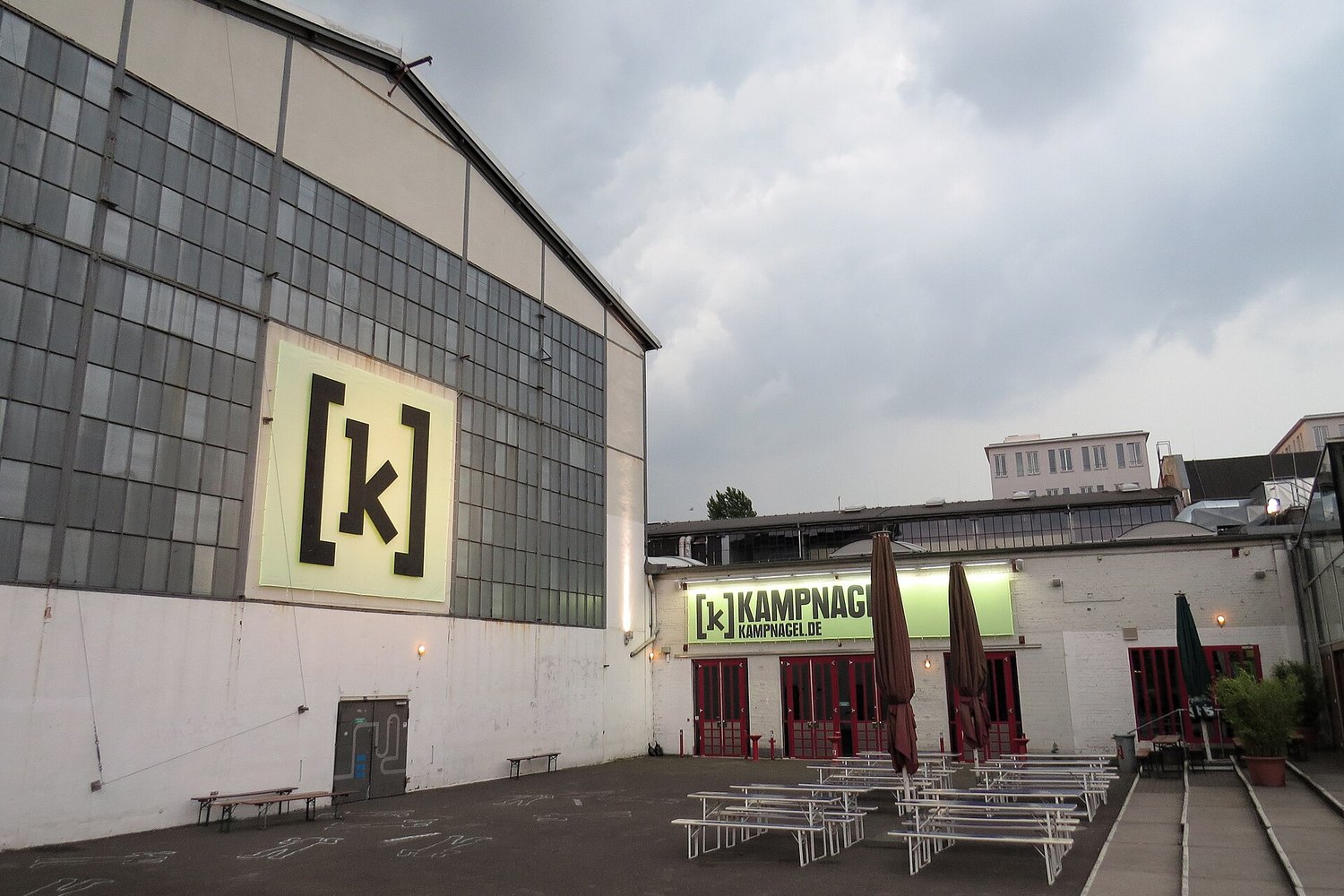
Industrial architecture at Hamburg's Kampnagel cultural center
Kampnagel[15]
Venue 15

Kampnagel

Best for: Culture, innovation, creative industries, and programs using several stages

Kampnagel is really six different decisions. Its halls range from spaces for about 150 people to one that can accommodate roughly 2,500. A team combining a keynote with workshops or performance may find the campus unusually helpful. First choose the hall, then plan the event. Ceiling height, seating, technical access, and turnaround time differ from one building to another. The regular cultural schedule may continue nearby as well. For organizations willing to embrace that setting, experimentation feels credible here rather than added as a slogan.

House of the Patriotische Gesellschaft at Hamburg's Trostbrücke
House of the Patriotische Gesellschaft[16]
Venue 16

House of the Patriotische Gesellschaft

Best for: Professional meetings, civic topics, and small to mid-sized conferences

At the House of the Patriotische Gesellschaft, a room of 300 people still feels connected to the person on stage. Five halls and foyer areas allow a keynote to lead into discussion without sending everyone across town. The historic Trostbrücke address is well suited to civic or social subjects. A hybrid broadcast needs a closer look. Test the connection in the exact room and decide where cameras can stand without blocking a doorway. If several sessions run at once, walk the stairways during a simulated break.

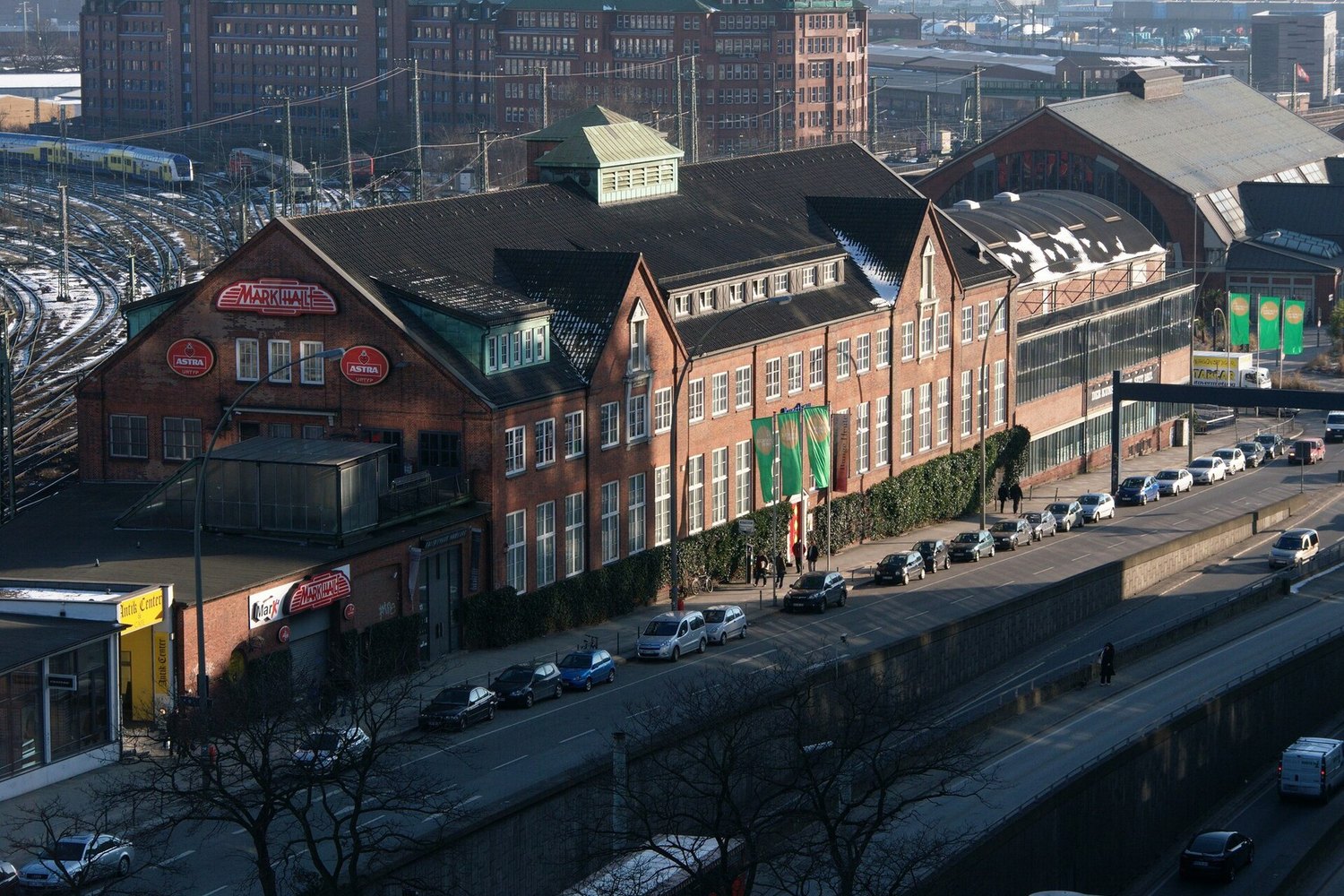
Brick facade of Markthalle Hamburg at Klosterwall
Markthalle Hamburg[17]
Venue 17

Markthalle Hamburg

Best for: Mid-sized conferences, cultural programs, and events with an evening feel

Markthalle knows how to put attention on a stage. In a theater layout, about 625 guests can sit close enough for a speaker to read the room without losing the sense of a substantial event. Concert sound is not automatically speech sound, however. Ask the engineer to tune for words and test an ordinary speaking voice from the back. Daytime conferences bring unfamiliar demands to a music venue, including coat check and coffee. If a concert or party follows, allow enough time to change the room without rushing either program.

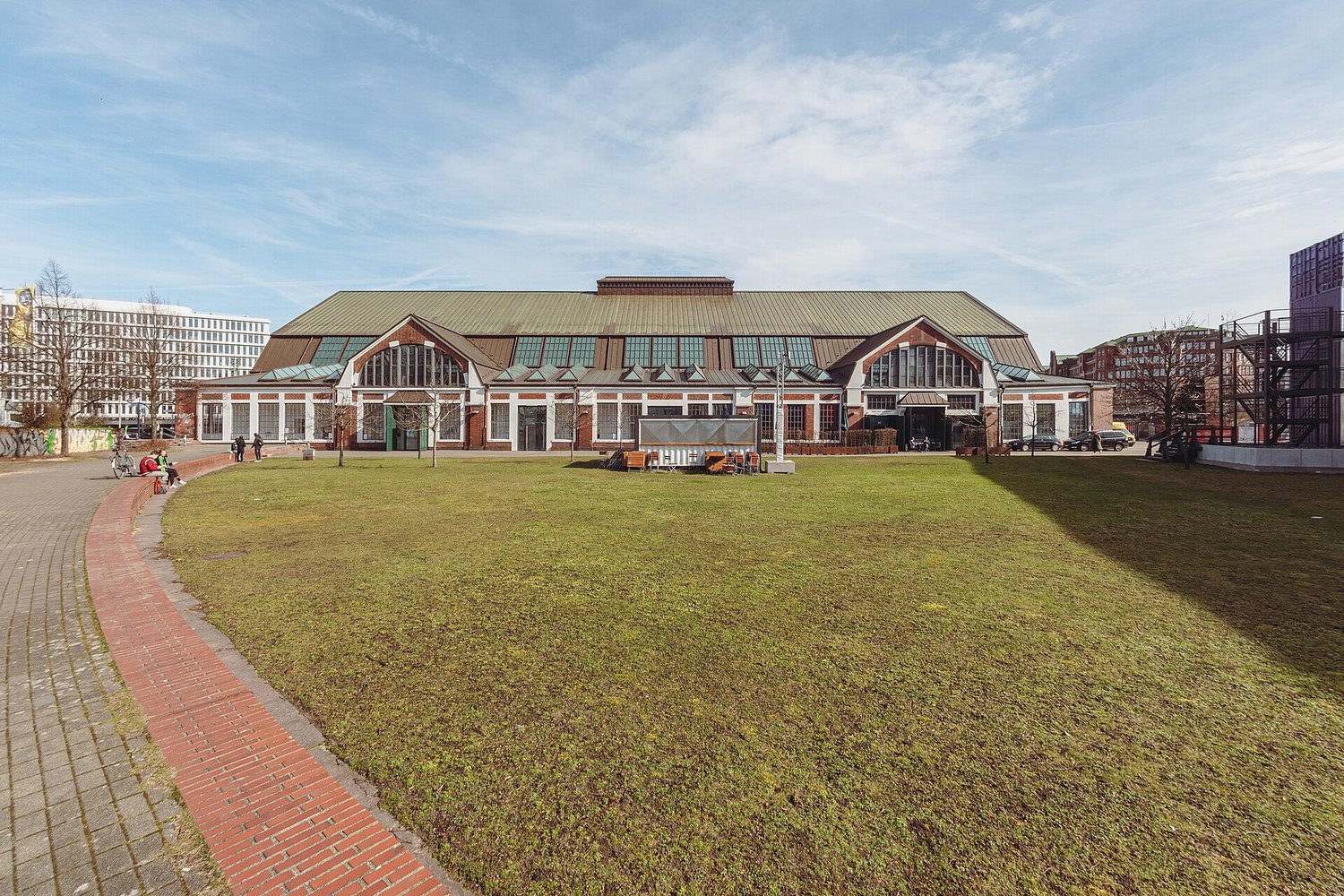
Historic steel and glass architecture of Deichtorhallen Hamburg
Deichtorhallen Hamburg[18]
Venue 18

Deichtorhallen Hamburg

Best for: Design, photography, culture, and high-end client events

Deichtorhallen can make a client event feel like part of Hamburg's cultural life. It cannot be booked as casually as a blank event hall. Exhibitions set the calendar, and the art sets boundaries for sound, food, lighting, and movement. A foyer may be enough for a smaller talk; a full hall requires a separate agreement. Visit while an exhibition is installed if possible. That is the room guests will experience. The strongest stage will acknowledge the work around it rather than trying to cover the building with corporate scenery.

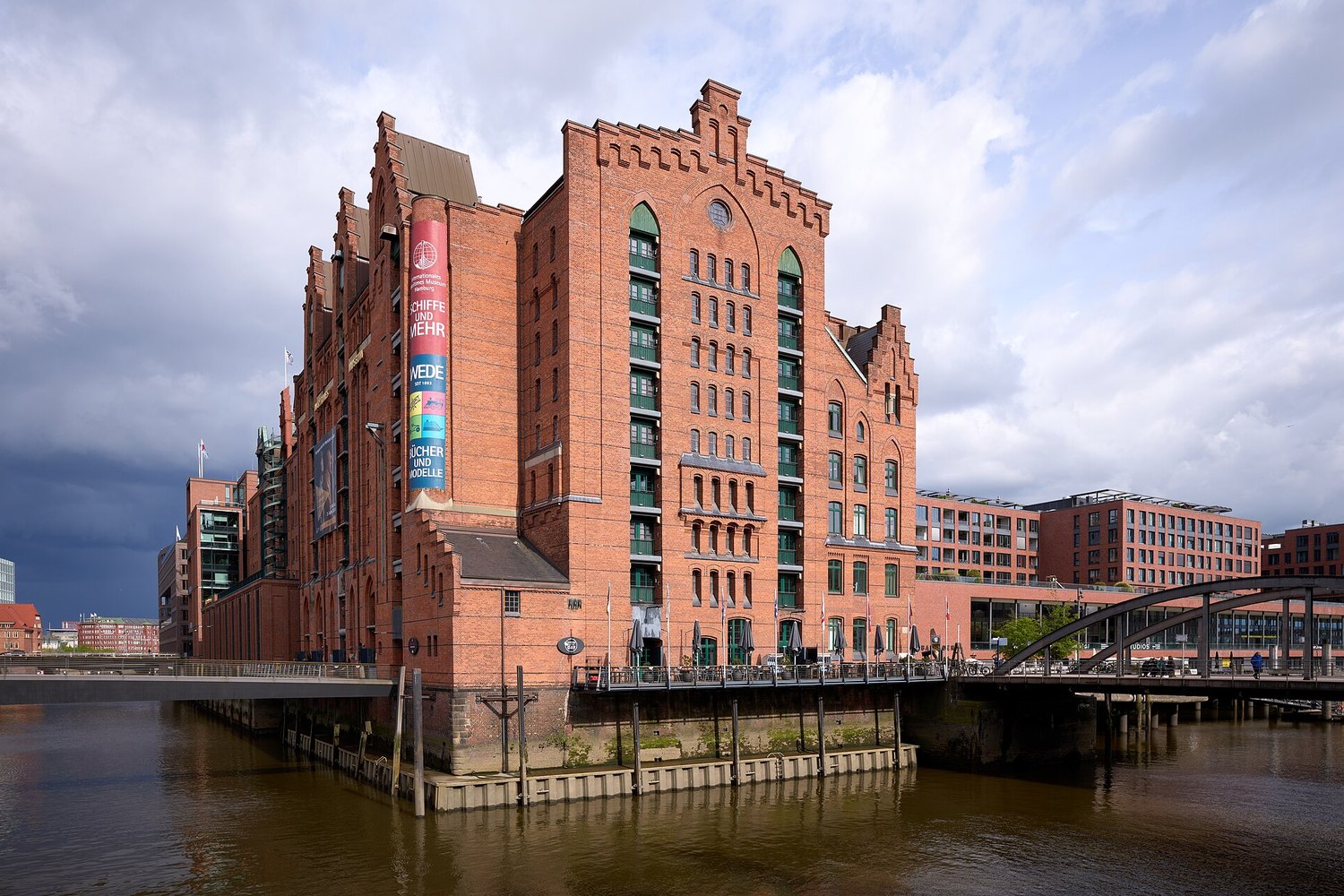
Historic Kaispeicher B housing the International Maritime Museum Hamburg
International Maritime Museum Hamburg[19]
Venue 19

International Maritime Museum Hamburg

Best for: Maritime business, logistics, and exclusive professional events

Inside Kaispeicher B, the Maritime Museum offers several possible event routes. Combined spaces can take a reception of around 600 people, but the individual rooms are smaller. Deck 10 often makes the clearest keynote setting because the audience can gather in one place. A museum tour can then add context before or after the talk. Do not scatter the core program across too many floors. Elevator capacity and walking time become visible in the schedule, especially when every guest is expected to arrive at dinner together.

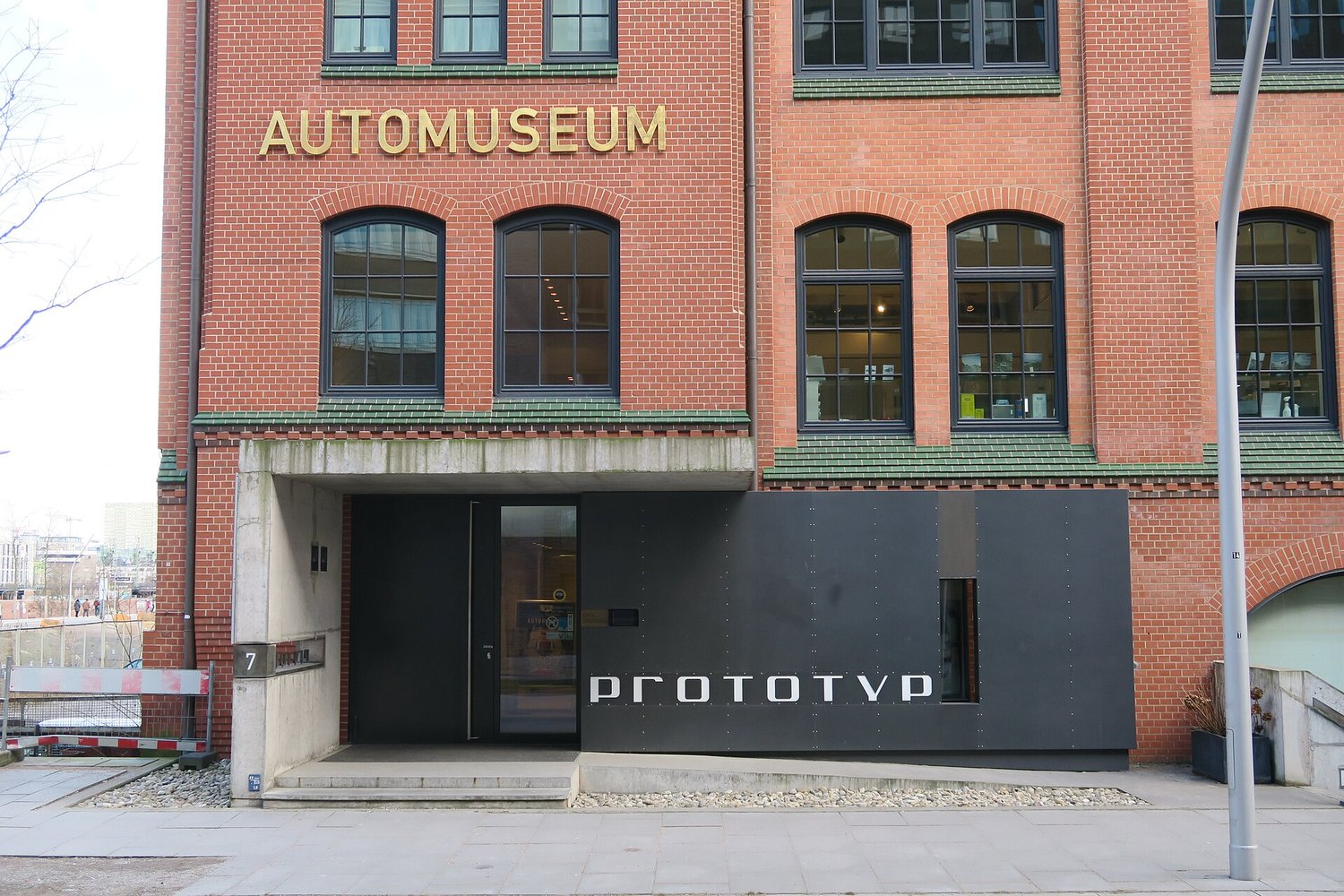
Brick facade and entrance of Automuseum PROTOTYP in Hamburg
Automuseum PROTOTYP[20]
Venue 20

Automuseum PROTOTYP

Best for: Mobility, technology, innovation, and exclusive client events

At PROTOTYP, the cars are not decoration. They shape the room and immediately connect with subjects such as mobility, engineering, or entrepreneurship. A small conversation may fit SLOMO; larger groups move into loft spaces or use part of the museum. Bring the proposed stage position to the site visit. A speaker should not disappear between vehicles, and production light must respect the collection. Capacity belongs to the selected room and seating plan, not to the museum name on a brochure.

Brick industrial building of Museum der Arbeit in Hamburg-Barmbek
Museum der Arbeit[21]
Venue 21

Museum der Arbeit

Best for: Work, transformation, industrial history, and discussion-driven events

Museum der Arbeit gives a talk about work or technology a useful historical counterpoint. In the Alte Fabrik, each of two floors can hold about 200 people. Smaller rooms can take the discussion that follows. A two-level plan looks efficient on paper, but guests need enough time to move and some will require an accessible route. Ask which areas remain open to museum visitors during the event. A quiet keynote depends on that answer as much as it does on the microphones.

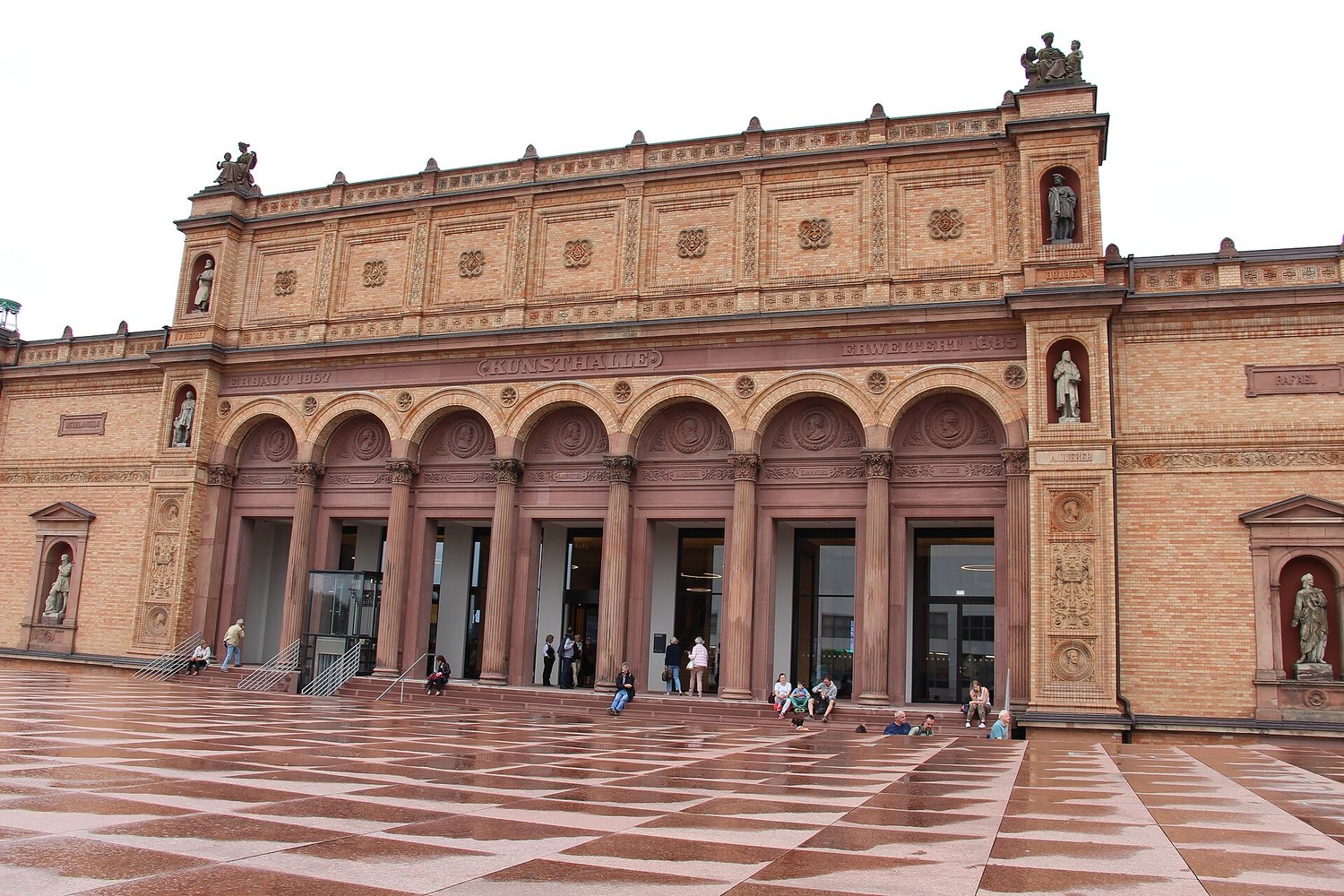
Historic main building of Hamburger Kunsthalle
Hamburger Kunsthalle[22]
Venue 22

Hamburger Kunsthalle

Best for: Culture, leadership, design, and focused lecture events

Werner-Otto-Saal seats up to 200 people, which is often enough for a serious keynote and still small enough for an unamplified question from the audience. The fixed stage removes much of the usual guesswork. A gallery tour or reception can give the evening a second chapter. Museum rules remain in charge, so catering and production equipment cannot drift into exhibition areas. If a tour is included, divide the group before the doors open and write the meeting point into the schedule.

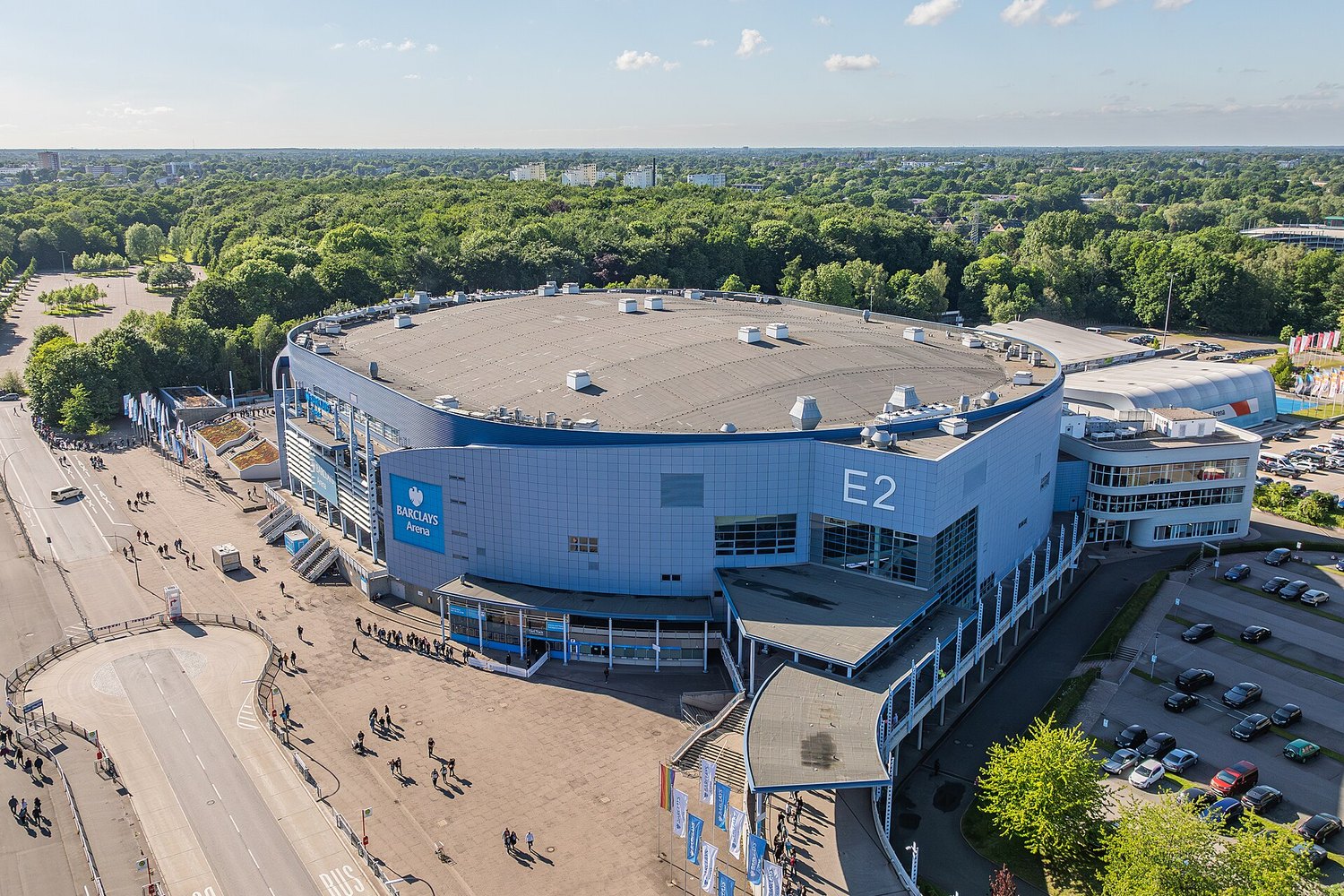
Barclays Arena in Hamburg's Volkspark
Barclays Arena[23]
Venue 23

Barclays Arena

Best for: Very large employee events, conventions, and highly produced shows

At Barclays Arena, the audience does not merely watch a keynote; most people watch its live image. The building can hold roughly 17,000 attendees in a suitable configuration. That scale changes the job. Camera direction, screen content, and delayed sound carry the speaker to the upper rows. If only part of the arena is needed, close it deliberately and bring the seating closer. Concert and sports dates govern loading access. Rehearsal time is not an optional luxury here because a small technical mistake becomes visible to thousands.

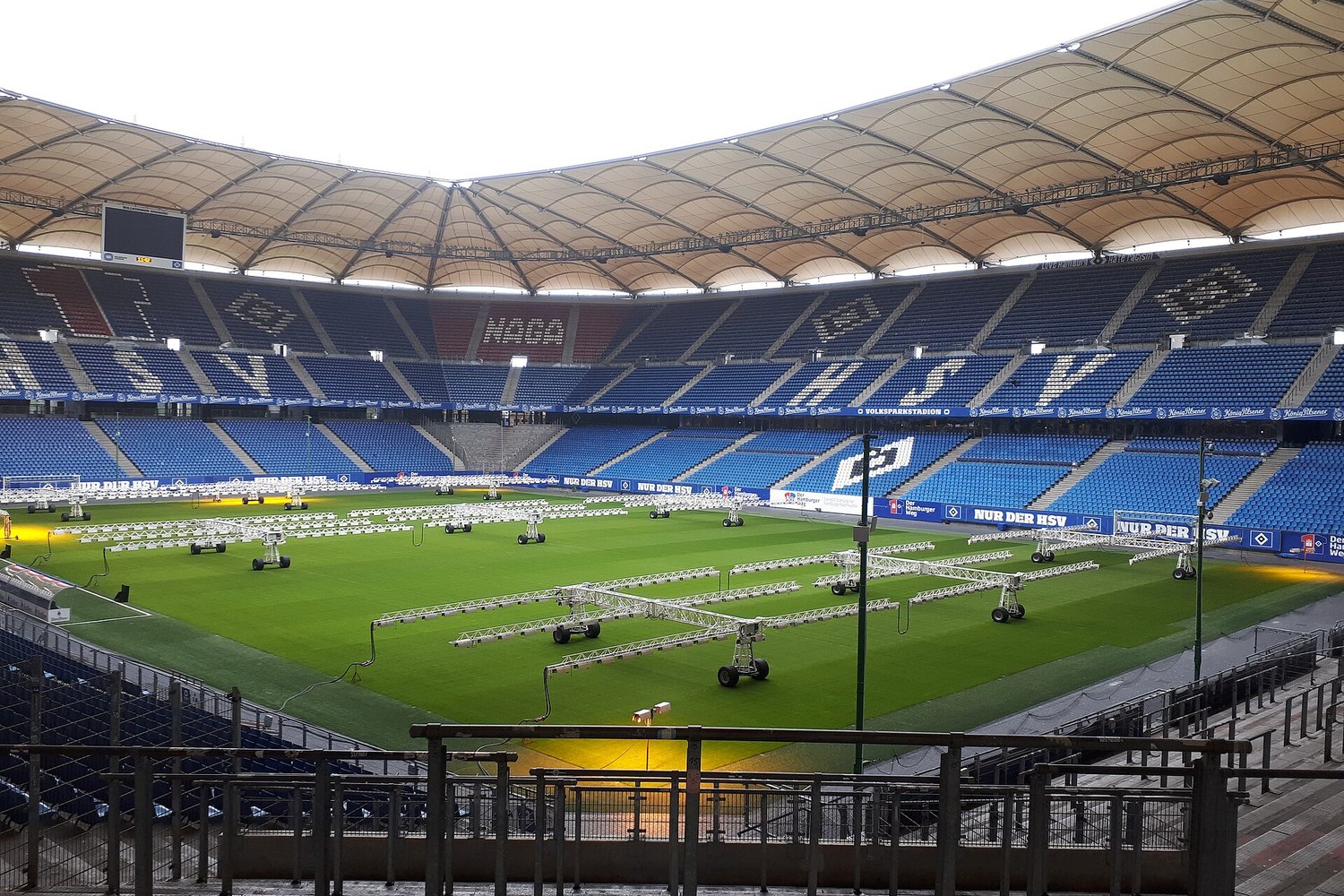
Interior view of Volksparkstadion in Hamburg
Volksparkstadion[24]
Venue 24

Volksparkstadion

Best for: Leadership events, brand programs, and meetings with a sports connection

Volksparkstadion offers more useful choices than the field and grandstands suggest. Suites and business rooms can host a leadership meeting or conference while the stadium remains the emotional backdrop. Pick the room for the audience you actually have. A view of the pitch is valuable only if chairs, screens, and sound still point people toward the keynote. Matches and field work determine access, and deliveries pass through controlled areas. Guests staying downtown will also need clear transportation instructions rather than a vague suggestion to take a taxi.

All 24 Venues at a Glance

Call the venue before relying on a figure in the table. Calendar, price, and usable capacity all depend on the setup requested.

VenueCharacterEspecially useful for
CCH: Congress Center HamburgModern convention center beside Dammtor station and Planten un BlomenLarge conventions, annual meetings, and programs with many concurrent sessions
Hamburg MesseExpansive exhibition grounds connected directly to CCHTrade shows, large conventions, product worlds, and multi-part corporate events
ElbphilharmonieInternationally recognized concert hall above a historic warehousePrestigious ceremonies, client events, and keynotes intended to carry special weight
LaeiszhalleHistoric concert hall with a Grand Hall and Recital HallCeremonial events, association meetings, and talks that benefit from a classic stage
Schuppen 52Expansive historic port warehouse with an industrial atmosphereLarge employee events, product presentations, and evening programs by the water
FischauktionshalleLandmark market hall beside the Elbe and the Fish MarketClient events, galas, and conferences with an unmistakable Hamburg setting
Cruise Center SteinwerderSpacious cruise terminal on the south side of the ElbeLarge corporate events, logistics topics, and flexible port productions
Cap San DiegoOperational museum ship with several event spacesExclusive client events, maritime topics, and small to mid-sized talks
Curio-HausHistoric assembly building with halls, foyers, and a courtyardConventions, receptions, and multi-part events in a central location
Hamburg Chamber of CommerceRepresentative halls at the center of Hamburg's business communityBusiness conferences, association meetings, and corporate specialist topics
Millerntor-StadionStadium with diverse event rooms in the heart of St. PauliLeadership events, brand programs, and topics connected to sports or values
Georg Elser Halle at Hamburg BunkerNew event hall inside Hamburg's landmark green bunkerLarge conferences, cultural programs, and contemporary corporate events
Hotel Atlantic HamburgGrand hotel on the Outer Alster with a classic ballroomExecutive meetings, client events, and conferences with guest rooms
FabrikActive cultural center in a former machine factoryCreative industries, culture, transformation, and informal corporate events
KampnagelInternational production center on a former factory siteCulture, innovation, creative industries, and programs using several stages
House of the Patriotische GesellschaftHistoric venue on the Nikolaifleet with five event hallsProfessional meetings, civic topics, and small to mid-sized conferences
Markthalle HamburgEstablished music venue in a historic market buildingMid-sized conferences, cultural programs, and events with an evening feel
Deichtorhallen HamburgMonumental exhibition halls built from steel and glassDesign, photography, culture, and high-end client events
International Maritime Museum HamburgMuseum inside historic Kaispeicher B in HafenCityMaritime business, logistics, and exclusive professional events
Automuseum PROTOTYPAutomotive museum with loft spaces in a historic factory buildingMobility, technology, innovation, and exclusive client events
Museum der ArbeitMuseum in a former factory complex with several working spacesWork, transformation, industrial history, and discussion-driven events
Hamburger KunsthalleMajor art museum with a dedicated 200-seat auditoriumCulture, leadership, design, and focused lecture events
Barclays ArenaMultipurpose arena for productions with up to about 17,000 attendeesVery large employee events, conventions, and highly produced shows
VolksparkstadionLarge soccer stadium with business areas and event roomsLeadership events, brand programs, and meetings with a sports connection

Make the Venue Part of the Run of Show

Walk the venue in the order a guest will experience it. Start at the arrival point, continue through registration, and sit in the last row before visiting the break area. That simple route exposes tight doors, competing noise, and tiring detours that rarely appear on a specification sheet. Put a slide on the screen while you are there. If small type is unreadable, find out before the event day.

An artificial intelligence program adds one more practical test. Live demonstrations, video, and audience interaction must work without drawing attention to the production system itself. Once that foundation is sound, the keynote can focus on judgment and useful next steps. If you are choosing the talk as well as the room, the page for an AI keynote speaker in Hamburg explains the keynote and how to book.

Image Credits

  1. CCH: Congress Center Hamburg. Photograph: Tim Rademacher. Source: Wikimedia Commons. License: CC BY-SA 4.0. Edit: cropped to 1500 × 1000 pixels and published as JPEG, WebP, and AVIF.
  2. Hamburg Messe. Photograph: Staro1 at German Wikipedia. Source: Wikimedia Commons. License: CC BY-SA 3.0. Edit: cropped to 1500 × 1000 pixels and published as JPEG, WebP, and AVIF.
  3. Elbphilharmonie. Photograph: Noerdlich. Source: Wikimedia Commons. License: CC BY-SA 4.0. Edit: cropped to 1500 × 1000 pixels and published as JPEG, WebP, and AVIF.
  4. Laeiszhalle. Photograph: Flocci Nivis. Source: Wikimedia Commons. License: CC BY 4.0. Edit: cropped to 1500 × 1000 pixels and published as JPEG, WebP, and AVIF.
  5. Schuppen 52. Photograph: Raimond Spekking. Source: Wikimedia Commons. License: CC BY-SA 4.0. Edit: cropped to 1500 × 1000 pixels and published as JPEG, WebP, and AVIF.
  6. Fischauktionshalle. Photograph: Dietmar Rabich. Source: Wikimedia Commons. License: CC BY-SA 4.0. Edit: cropped to 1500 × 1000 pixels and published as JPEG, WebP, and AVIF.
  7. Cruise Center Steinwerder. Photograph: Flor!an. Source: Wikimedia Commons. License: CC BY-SA 4.0. Edit: cropped to 1500 × 1000 pixels and published as JPEG, WebP, and AVIF.
  8. Cap San Diego. Photograph: Peter Haas. Source: Wikimedia Commons. License: CC BY-SA 3.0. Edit: cropped to 1500 × 1000 pixels and published as JPEG, WebP, and AVIF.
  9. Curio-Haus. Photograph: Pauli-Pirat. Source: Wikimedia Commons. License: CC BY-SA 4.0. Edit: cropped to 1500 × 1000 pixels and published as JPEG, WebP, and AVIF.
  10. Hamburg Chamber of Commerce. Photograph: Tony Webster from Portland, Oregon, United States. Source: Wikimedia Commons. License: CC BY 2.0. Edit: cropped to 1500 × 1000 pixels and published as JPEG, WebP, and AVIF.
  11. Millerntor-Stadion. Photograph: Arne Müseler. Source: Wikimedia Commons. License: CC BY-SA 3.0 de. Edit: cropped to 1500 × 1000 pixels and published as JPEG, WebP, and AVIF.
  12. Georg Elser Halle at Hamburg Bunker. Photograph: Jaller94. Source: Wikimedia Commons. License: CC0. Edit: cropped to 1500 × 1000 pixels and published as JPEG, WebP, and AVIF.
  13. Hotel Atlantic Hamburg. Photograph: NordNordWest. Source: Wikimedia Commons. License: CC BY-SA 3.0 de. Edit: cropped to 1500 × 1000 pixels and published as JPEG, WebP, and AVIF.
  14. Fabrik. Photograph: HamburgerJung. Source: Wikimedia Commons. License: CC BY-SA 2.0. Edit: cropped to 1500 × 1000 pixels and published as JPEG, WebP, and AVIF.
  15. Kampnagel. Photograph: Orf3us. Source: Wikimedia Commons. License: CC BY 3.0. Edit: cropped to 1500 × 1000 pixels and published as JPEG, WebP, and AVIF.
  16. House of the Patriotische Gesellschaft. Photograph: Ajepbah. Source: Wikimedia Commons. License: CC BY-SA 3.0 de. Edit: cropped to 1500 × 1000 pixels and published as JPEG, WebP, and AVIF.
  17. Markthalle Hamburg. Photograph: User:Wmeinhart - Wolfgang Meinhart, Hamburg. Source: Wikimedia Commons. License: CC BY-SA 3.0. Edit: cropped to 1500 × 1000 pixels and published as JPEG, WebP, and AVIF.
  18. Deichtorhallen Hamburg. Photograph: Flocci Nivis. Source: Wikimedia Commons. License: CC BY 4.0. Edit: cropped to 1500 × 1000 pixels and published as JPEG, WebP, and AVIF.
  19. International Maritime Museum Hamburg. Photograph: Frank Schulenburg. Source: Wikimedia Commons. License: CC BY-SA 4.0. Edit: cropped to 1500 × 1000 pixels and published as JPEG, WebP, and AVIF.
  20. Automuseum PROTOTYP. Photograph: NordNordWest. Source: Wikimedia Commons. License: CC BY-SA 3.0 de. Edit: cropped to 1500 × 1000 pixels and published as JPEG, WebP, and AVIF.
  21. Museum der Arbeit. Photograph: Claus-Joachim Dickow. Source: Wikimedia Commons. License: CC BY-SA 3.0. Edit: cropped to 1500 × 1000 pixels and published as JPEG, WebP, and AVIF.
  22. Hamburger Kunsthalle. Photograph: Fred Romero from Paris, France. Source: Wikimedia Commons. License: CC BY 2.0. Edit: cropped to 1500 × 1000 pixels and published as JPEG, WebP, and AVIF.
  23. Barclays Arena. Photograph: Arne Müseler. Source: Wikimedia Commons. License: CC BY-SA 4.0. Edit: cropped to 1500 × 1000 pixels and published as JPEG, WebP, and AVIF.
  24. Volksparkstadion. Photograph: Daniel from Glasgow, United Kingdom. Source: Wikimedia Commons. License: CC BY 2.0. Edit: cropped to 1500 × 1000 pixels and published as JPEG, WebP, and AVIF.
Jan Ditgen, AI keynote speaker

Jan Ditgen

About the author

  • 1,000+talks
  • CSPCertified Speaking Professional
  • 4keynote languages

Jan Ditgen is a keynote speaker on artificial intelligence. He has delivered more than 1,000 talks and holds the Certified Speaking Professional (CSP) designation from the National Speakers Association, the highest international designation for professional speakers.

He did not begin his career in computer science, which helps him explain artificial intelligence to audiences without a technical background in a clear, practical and engaging way. He speaks at companies, associations and professional conferences in German, English, Spanish and French. His keynotes examine the practical use of AI at work, its opportunities and risks, and how people can preserve their own judgment when answers are always available.

Jan Ditgen has written several specialist books. His books and articles give him room to examine questions about AI that a 60-minute keynote can only touch on. He connects his experience with AI and the events industry with clear analysis for companies and event organizers. Jan Ditgen is available to .

Contact

Phone: +49 221 80 14 96 0

ki-erklaerer@ewk-institut.eu

AI keynote speaker Jan Ditgen

EWK Vortrags GmbH & Co. KG

Gartenstr. 6

50996 Cologne, Germany

Last updated: August 26, 2026